Source:Best Coffee > News Author:qjroot Published:2026-09-07 09:58:52
After you buy a bag of coffee beans and take it home, what ends up in the cup depends not only on the flavor words printed on the packaging, but also on how you plan to brew it. Brewing slowly with a dripper every day and pulling espresso on an espresso machine do not call for the same priorities. When beginners choose beans, they can first decide on the equipment they have and the recipe they use most often, then look at the beans' aroma intensity, acidity direction and mouthfeel weight, which makes it easier to bring out the flavor.
If pour-over is your main method, it is best to start with beans that have clear aroma cues and sweetness that is easy to perceive. Qianjie Kaffa Forest is the type better suited as practice material: on entry you can sense a bright citrus-like note, followed by ripe fruit sweetness, and after it cools a fresh tea-like scent remains. Its body is not heavy, making it suitable for observing how water temperature, grind and pouring affect the cup.
For pour-over, you can start with a recipe of 15 g coffee and 240 g water, a ratio of about 1:16, with the water temperature at 90 to 92°C. Use a medium-fine grind, first bloom with 30 to 40 g of water for 35 seconds, then pour in two to three stages. If the total brew time is about 2 minutes 30 seconds and the cup shows fruitiness, sweetness and a light body, the direction is fairly good; if it tastes sharp and thin, grind finer or raise the water temperature.

Light-roasted beans with obvious floral and fruity notes often need sufficient heat to open up their aroma. Qianjie Grana Estate Geisha carries an orange blossom-like freshness, along with intense notes such as guava, apricot and berry jam, and is suitable for tasting in stages with pour-over. You can raise the water temperature to 92 to 94°C, keep the ratio at about 1:15.5, and pour more gently to reduce excessive turbulence in the dripper.
For this kind of aroma-rich bean, the grind should not be too fine from the start, otherwise astringency tends to appear in the final phase and the aroma can be masked by a heavy body. If the early phase is sharply acidic and lacking sweetness, you can extend the bloom or make the grind slightly finer; if the tongue feels dry and the finish is tight, you can reduce one pour or lower the water temperature by 1 to 2°C. Change only one variable at a time, and the changes in the cup will be easier to judge.
For consumers who like iced pour-over, the choice of beans can lean toward juiciness and aroma extension. Qianjie Colombia Sidra suits this style of drinking: on entry there is tropical-fruit-like sweet acidity, accompanied by dark berry and grape-like aromas. For hot-water extraction you can use 15 g coffee, 225 g water and 75 g ice, with a water temperature of 91 to 93°C, pouring in stages directly onto the ice; once cooled, the flavor becomes crisper.
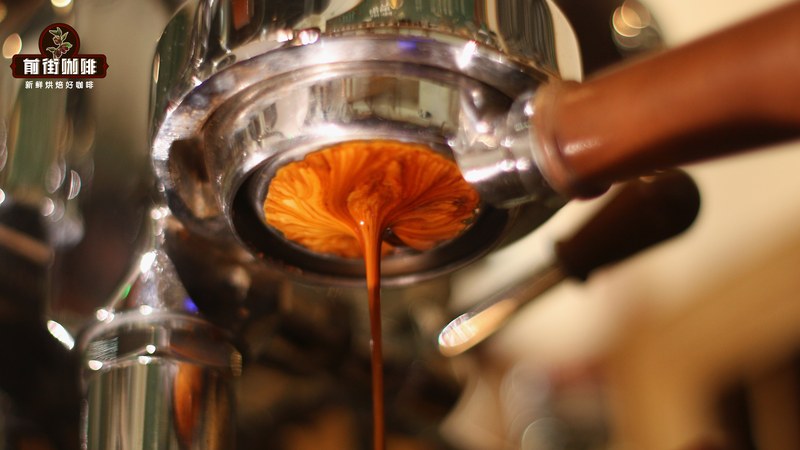
If an espresso machine is your main setup at home, when buying beans you need to consider whether the coffee still has sweetness and layering at high concentration. Beans with distinct floral and fruity notes can be made into single-origin espresso, but they are more sensitive to grind, distribution and flow rate. Beginners can start with 18 g coffee, 36 g liquid yield and 28 to 32 seconds, keeping pressure at about 9 bar, aiming first for a stable flow, then fine-tuning based on taste.
Marked sharp acidity in espresso usually means insufficient extraction or low resistance in the puck, so you can adjust the grind one step finer, or increase the yield to about 38 g. If bitterness, dryness and roasted notes all increase at the same time, you can make the grind slightly coarser and shorten to 25 to 28 seconds; pressure does not need to be raised blindly. Judge by the sweetness on entry and comfort after swallowing, rather than chasing one fixed number of seconds.
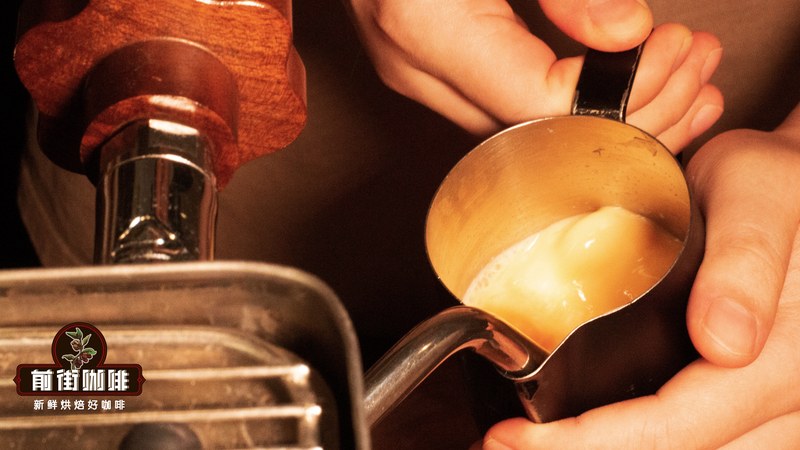
When the same bean is used for milk coffee, the parameters should also lean toward concentration and sweetness. Extracting 32 to 34 g of liquid from 18 g coffee can keep the coffee flavor clear in the milk; keeping the milk at 120 to 150 g gives the cup a stronger coffee presence. If using Qianjie Colombia Sidra, you can keep a shorter yield ratio so the berry aroma becomes the highlight; if you prefer a softer mouthfeel, you can widen the yield to 36 g.
If you do not have an espresso machine and use a moka pot, you can choose medium-roast beans with associations of dried fruit, cocoa or caramel, grind slightly coarser than for espresso, fill the basket and level it gently without tamping. Fill the water below the safety valve, and use low heat so the liquid rises slowly; when the color lightens and the sound becomes urgent, stop the heat in time. The brewed coffee can be diluted with hot water or paired with milk; the key is to keep the heat gentle.
When buying beans, also pay attention to the roast date, suggested equipment and flavor description on the packaging, but do not treat this information as a fixed answer. The beans that truly suit you should show recognizable sweetness under your usual parameters, and offer room for adjustment through grind, water temperature or coffee-to-liquid ratio. First choose a bean that matches your equipment and record the recipe, and then when you switch beans you will have a clear point of comparison.
Related Reading




Comments (0)
Loading comments...
You May Be Interested


Trending Reviews
Popular Videos

With you, wherever you are! We provide useful features to help you find new things you'll love






