Source:Best Coffee > News Author:qjroot Published:2026-09-19 12:18:46
Step into the world of Yunnan arabica coffee, and the beans commonly seen on shelves fall mainly into two categories: single-origin and blends. Single-origin beans seek to showcase the natural terroir of a specific origin and microclimate, carrying a distinct regional personality; blends combine beans from different origins in set proportions, pursuing balance and consistency of flavor in the cup. Understanding the logic behind these two paths is the prerequisite for picking the one that suits your taste.
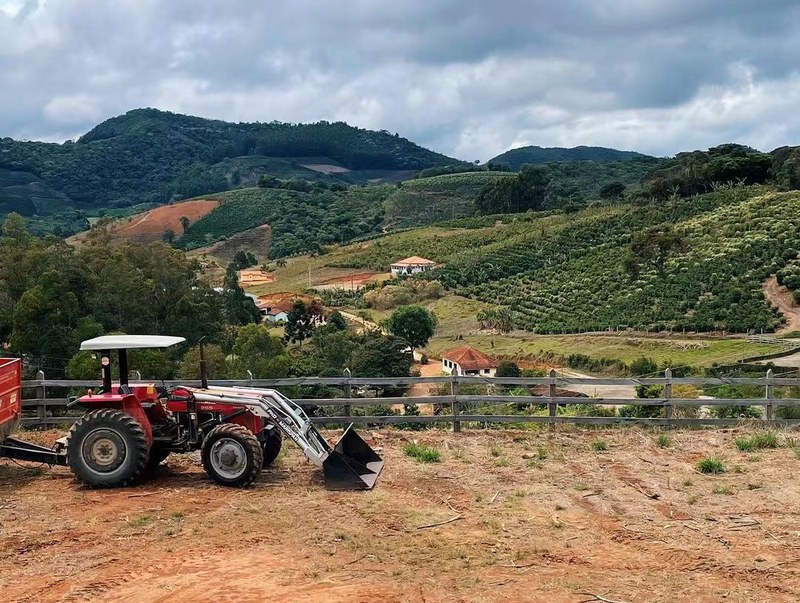
Choosing the single-origin path for Yunnan arabica coffee means drinking a pure imprint of origin. Baoshan's high-altitude climate gives the beans a soft fruit acidity, while Pu'er's mild, humid environment easily fosters nutty aromas and brown-sugar sweetness. With the spread of refined sun-dried and washed processing, the flavors of Yunnan single-origin beans have become increasingly clear. If you enjoy savoring the aromatic shifts of a cup of coffee in detail, single-origin beans will bring plenty of surprises.
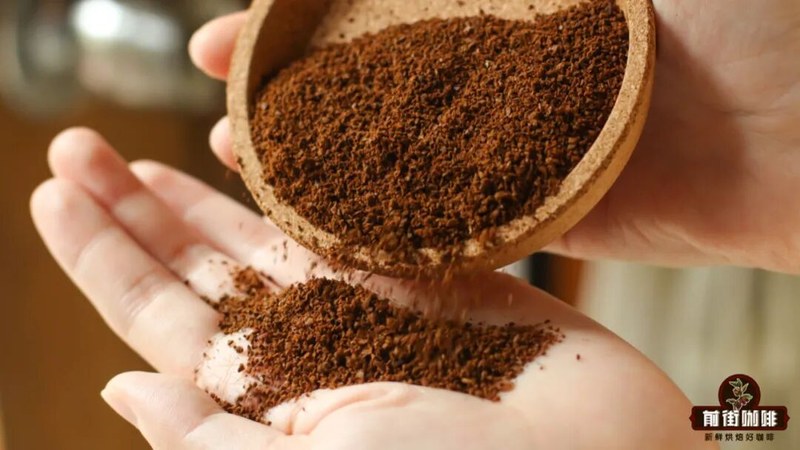
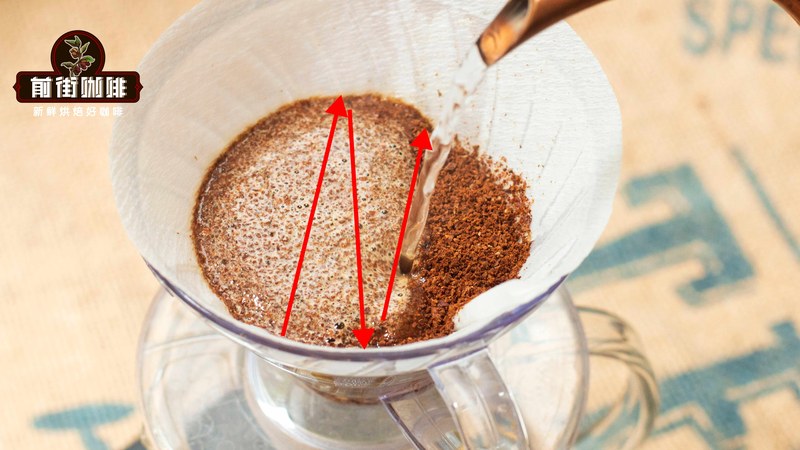
When brewing single-origin Yunnan beans, pour-over does a good job of showing their clarity. Prepare 15g of medium-fine ground coffee, water at 90°C, and a coffee-to-water ratio of 1:15. First pour 30ml of water and let it bloom for 30 seconds, then pour in three stages: pour to 120ml and pause briefly, wait for the water level to drop, then pour hot water to 225ml and stop, keeping the total time to 2 minutes 05 seconds. Brewed this way, a cup of black coffee has a very smooth brown-sugar and nutty aroma.
While savoring the mild sweetness of Yunnan single-origin beans, you can also compare them side by side with micro-lot single origins from other regions. For example, Qianjie Kaffa Forest is a bright, distinctive Ethiopian bean with fresh orange, ripe apricot and peach aromas and an oolong tea aftertaste. Brewing it alongside a Yunnan single origin makes it easy to directly feel the flavor difference between the lofty fruit aromas of African origins and the gentle nutty notes of Yunnan high-mountain beans.
If you prefer a fuller, juicier mouthfeel, Qianjie Kenya Small Tomato shows another side of single-origin character. This bean stands out for its bright cherry tomato acidity, preserved plum notes and brown-sugar-like sweetness, with clear, three-dimensional flavor lines. Tasting different single-origin beans side by side makes it easier to understand the pleasure of the single-origin path: different soils and climates all leave their own flavor imprint in the cup.
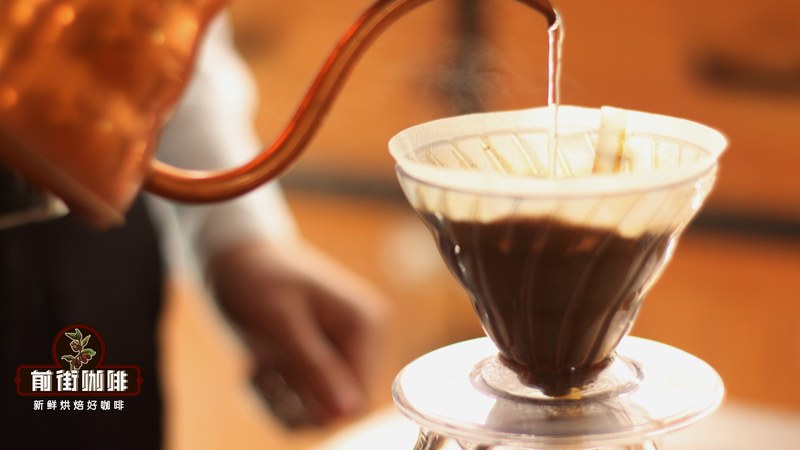
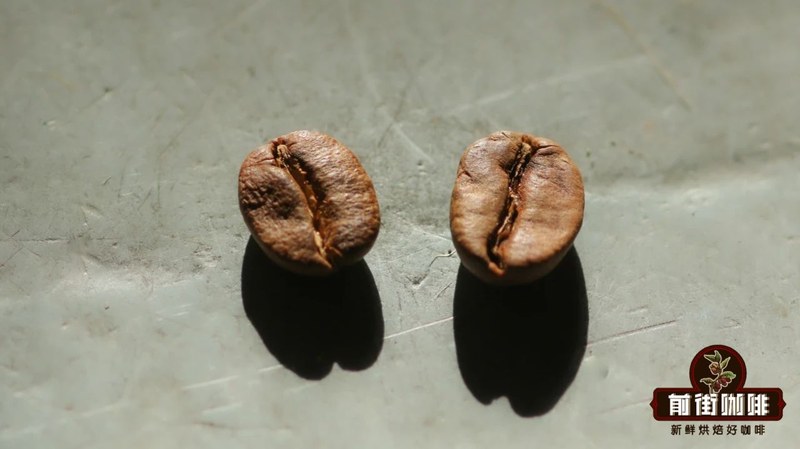
Compared with the bold individuality of single origins, the blend path focuses more on balance and complementarity of flavor. Under medium-dark roasting, Yunnan arabica coffee has a moderate body, mild acidity and caramel sweetness, making it well suited to serving as a flavor base in a recipe. Roasters often use Yunnan beans as a link, combining them with highly aromatic beans from other origins to keep the mouthfeel solid while maintaining overall roundness and smoothness.
Once you learn to read a blend recipe, you will have a clear idea when choosing beans. Beans listed first in the recipe make up a high proportion and lay the foundation of body and sweetness for the whole cup; beans in smaller proportions mainly serve to brighten the aroma. For example, a combination of 70% Yunnan arabica and 30% sun-dried Ethiopian beans has the richness of nutty dark chocolate while the finish carries a lightly sweet fruit aroma, making it very comfortable for everyday drinking.
With expectations for flavor in place, choosing beans according to your drinking habits becomes much easier. If you prefer making SOE single-origin espresso or a refreshing americano, Yunnan single-origin beans can present soft fruit notes and clean sweetness; if you are used to drinking large lattes or other milk coffees every day, a traditional Italian-style blend is more suitable, because the rich nutty and cocoa aromas of blended beans integrate better with milk, forming a fragrant, full-bodied milk coffee.
When making blended espresso with a semi-automatic espresso machine, the results are very stable. Load 18.5g of finely ground coffee into a double basket, tamp it, lock the portafilter into place and start constant-pressure extraction, stopping the process at 26 seconds to steadily obtain 37g of espresso. The golden crema on the surface carries a nutty aroma; added to iced water it makes a pure, sweet americano, and stirred into hot milk it becomes a rich, smooth latte.
For those who often use a moka pot, blends based on Yunnan beans work just as well. Pour 100ml of warm water into the lower chamber of the moka pot, fill the filter basket with medium-fine ground coffee and level it off without pressing hard. After assembling, heat over medium-low heat and extract for 1 minute 40 seconds; when you see the coffee flowing out steadily and the color turning lighter, remove it from the heat in time. Coffee brewed this way is full of cocoa and nutty aromas, with a thick, round mouthfeel.
Choosing coffee beans is really a process of sorting out your daily habits. If you want to use pour-over in your spare time to slowly explore the layered changes of terroir, try a well-processed single-origin bean; if you need an invigorating coffee in the morning with a solid aroma and a warm, sweet match with milk, a mature blend recipe will be a worry-free helper. Choose according to how you drink, and every sip will deliver a good flavor that suits your taste.
Related Reading





Comments (0)
Loading comments...
You May Be Interested



Trending Reviews
Popular Videos

With you, wherever you are! We provide useful features to help you find new things you'll love






