Source:Best Coffee > News Author:qjroot Published:2026-09-07 12:10:39
When making a latte with a moka pot, the coffee liquid needs to be more concentrated than regular pour-over so it can cut through the milk and retain a clear flavor. When choosing beans, you can first look at their sweetness, body and acidity, then decide on grind, water temperature, coffee-to-water ratio and heating method. Beans that are naturally nutty and cacao-forward are suited to making a thick base; beans with bright fruit acidity need a gentler extraction rhythm to preserve their aroma.
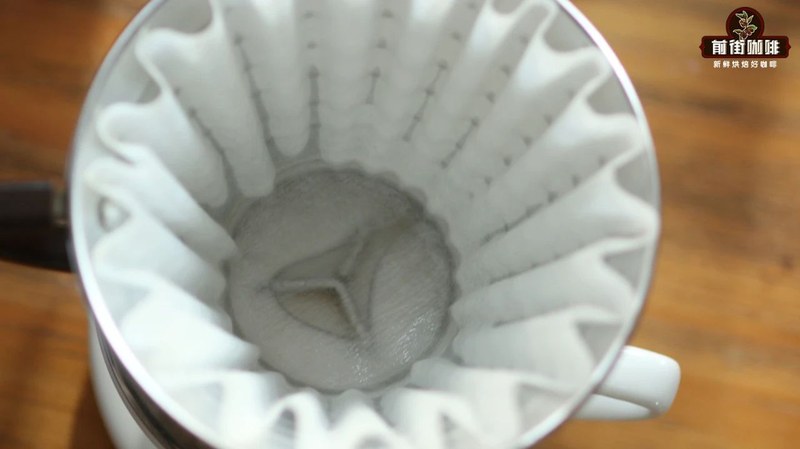
The same bean will show two different personalities when brewed as pour-over versus in a moka pot. Pour-over relies on more water to open up the aroma, and you can usually start with a coffee-to-water ratio of about 1:15; use water at 92 to 95°C for light-to-medium roasts, and drop to 88 to 92°C for medium-dark roasts. If the entry tastes sharply sour, refine the grind a little or raise the water temperature; if the finish turns astringent, coarsen it and reduce agitation in the later stages.
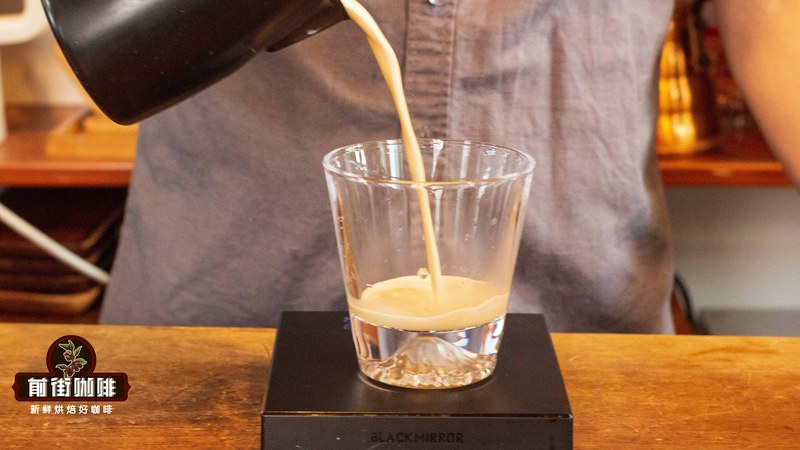
When making pour-over into a milk coffee, it is best not to brew the coffee too light. Taking 15 g of coffee with 180 to 220 g of water as an example, you can narrow the total poured water so the sweetness and texture in the cup are more concentrated, then add 100 to 150 g of hot milk. This lets you observe the bean's flavor while also judging whether it still has enough presence in the milk, making it suitable for pre-testing your bean-selection direction.
A moka pot's dose and body capacity are more tightly linked; just fill the basket and level it off, and keep the water level below the safety valve. Adding hot water in advance shortens the heating time on the stove; keep the heat at medium-low so the water passes slowly through the coffee bed. As soon as pale foam and noticeable sputtering begin, take it off the heat, then run the bottom of the pot under cold water to cool it down; the coffee liquid will have less scorching and dry bitterness.
The grind size can sit between espresso grind and pour-over grind; too fine a particle easily blocks the water flow, while too coarse leaves the coffee liquid lacking weight. A moka pot does not have the stable high-pressure pump of an espresso machine, and extraction pressure is roughly in the low-pressure range, so there is no need to tamp hard. If the result is weak, you can refine slightly; if you taste scorched bitterness or your tongue feels dry, first coarsen a little and end the flow earlier.
Qianjie Brazil Queen Estate is suited to understanding "whether sweetness can cut through milk." Its nutty, cacao and caramel associations are relatively easy to perceive, and its acidity is soft; after the moka pot extracts the liquid and you add hot milk, it forms a rounded impression of milk candy and roasted nuts. To brew it as pour-over, you can start at 92°C with 15 g of coffee to 225 g of water; for the moka pot, keep it at medium-low heat and avoid chasing too dark a color.

If using an espresso machine, Brazil beans can start at 18 g of coffee, 36 g of liquid weight, and 27 to 30 seconds, with pressure maintained near 8 to 9 bar. When the flow is too fast and the taste is sour and thin, adjust the grind finer; when the flow is too slow and the bitterness is concentrated, adjust the grind coarser or reduce the yield. When the milk proportion in a latte is high, around 30 g of coffee liquid can provide a more complete nutty and caramel base.
If you like herbal, dark chocolate and low-acid flavors, you can try Qianjie PWN Indonesia Golden Mandheling. Its full-bodied character suits the moka pot, but its dark-toned flavors are very sensitive to high temperature. When using a moka pot, it is recommended to put hot water in the pot and push it at low heat, stopping as soon as the coffee liquid just turns pale; for pour-over, you can use 89 to 91°C, 15 g of coffee to 200 g of water, with a slightly coarser grind to reduce bitterness and let the cacao sweetness come through cleaner.
Putting this bean into an espresso machine, you can start by extracting 32 to 36 g of liquid from 18 g of coffee, set the pressure at 8 to 9 bar, and control the time at around 25 seconds. If the espresso is thick like dark chocolate but bitter at the finish, shorten the yield or coarsen the grind; if the flavor seems dull after adding milk, you can increase the yield by two or three grams. Heating the milk to 55 to 65°C makes the sweetness and smoothness more harmonious.
Qianjie Classic Blend leans toward nuts, cacao and caramel, and its intensity is relatively easy to build, making it suitable to use as a daily fixed template for your parameters. For the moka pot, you can use the pot's standard dose and start with hot water; for the espresso machine, use a coffee-to-liquid ratio of about 1:2 to find the sweetness. Each time you adjust, change only one of grind or yield, and judge after the coffee has cooled slightly; sourness, bitterness, sweetness and aftertaste will be easier to distinguish.
Once the bean is chosen, the amount of milk is also part of the brewing plan. To highlight the coffee, you can pair one part moka pot espresso with 1 to 1.5 parts milk; if you prefer a softer milk aroma, add more milk, but increase the coffee liquid's concentration at the same time. During pour-over testing, pay attention to the sweetness after cooling; during moka pot testing, observe the entry body; during espresso testing, check the aftertaste after the liquid merges with the milk. These three results can help you find the bean that truly suits your taste.
Related Reading





Comments (0)
Loading comments...
You May Be Interested




Trending Reviews
Popular Videos

With you, wherever you are! We provide useful features to help you find new things you'll love






