Source:Best Coffee > News Author:qjroot Published:2026-09-22 14:16:41
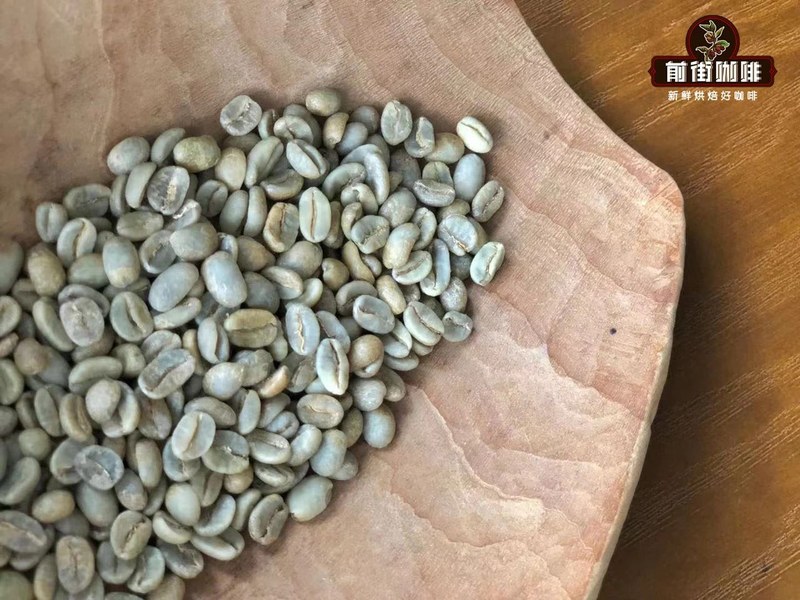
Every time we face a dazzling list of coffee beans, we can always spot Arabica on the origin labels. In fact, even within the same Arabica species, the flavor can vary enormously with a change of soil, altitude and sunlight. If you want to pick coffee that suits your taste, following the clues to understand the terroir and temperament of different growing regions is often especially effortless, like taking your taste buds on a wonderful journey across a global flavor map.
When it comes to African growing regions, a bright and lively image often springs to mind. The high altitudes and intense sunlight here produce coffee cherries with dense, full-bodied sweet-and-sour fruit acidity. If you normally enjoy fresh fruit teas, or long for an elegant experience full of floral fragrance, African beans will surely make your eyes light up, light and soothing on the palate, with every mouthful full of vivid, passionate ripe tropical character.
Among African beans, Qianjie Huakui carries the rich character of the classic natural process; even when grinding you can smell the heady sweetness of cream, strawberry and mango, and it drinks with abundant juicy body. If you prefer something clear and gentle, the Qianjie Yirgacheffe Gudingding Cooperative presents a delicate washed character, like a cup of citrus green tea with white floral notes, clean and translucent in body, making it especially pleasant and relaxing to drink.
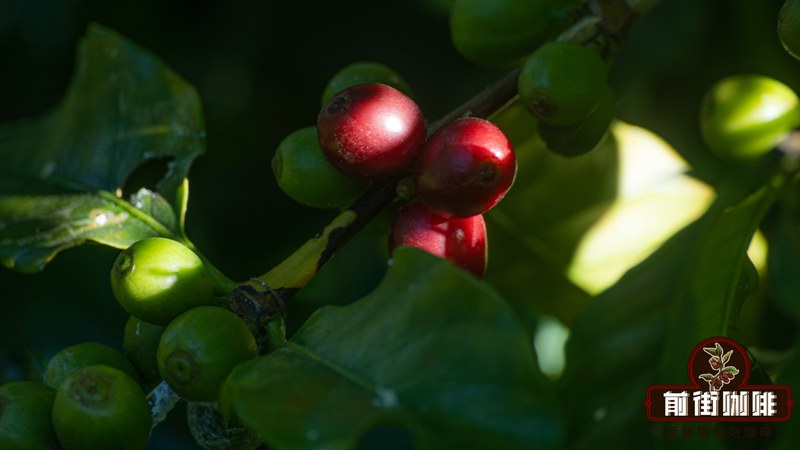
Crossing the Atlantic to Central and South America, the coffee terroir here shows even greater diversity and inclusiveness. From the Andes Mountains to the micro volcanic belts, fertile volcanic ash and abundant rainfall give Central and South American coffee beans both a warm, balanced nutty and cocoa note and the ability to produce extremely striking, elegant aromatics, making them very well suited to coffee lovers who seek rich layers and a balanced, delicate mouthfeel.
If you pursue enchanting aromatic layers, the Qianjie Panama Red Label Geisha will deliver an especially stunning experience. It comes from the high-altitude area of Hacienda La Esmeralda, shrouded in cloud and mist year-round, which lets the coffee beans build up full peach sweetness and oolong tea notes, drinking like a fragrant fruit tea. And the Qianjie Colombia Sidra likewise carries a lively passion-fruit-like juiciness that leaves a deep impression long after.
If you normally prefer a warm, solid, low-acid and smooth mouthfeel, the Qianjie Brazil Queen Estate Yellow Bourbon from Central and South America is a very comfortable choice. It gives off the clean sweetness of peanut, toasted bread and sugarcane, with a rich, creamy body; whether brewed as pour-over or made into a fragrant milk coffee, that mellow sweetness is especially comforting, making it an exceptionally reassuring everyday staple bean.

When talking about terroir balance, the Qianjie Jamaica Blue Mountain No. 1 naturally comes to mind. The Blue Mountain range's unique island climate and forest mist give the old Typica variety a gentle, supple character. Its acidity and aroma are not sharp at all, and overall it carries a clean, subtle sweetness with the solidity of nut and cocoa; it performs in a very balanced way on every front, leaving fragrance on the lips and teeth after a sip, very suitable for coffee friends who like pure, classic flavors.
To bring out these Arabica terroir notes, brewing slowly by pour-over is recommended. Take 15g of ground coffee, use a 1 to 15 coffee-to-water ratio, and prepare to pour a total of 225ml of hot water at around 90 degrees. First bloom with 30ml of water for 30 seconds to awaken the aroma, then pour steadily in stages, moving the stream in circles so the coffee bed is fully and evenly extracted, with the total time kept to around 2 minutes, and the flavor will be moving enough.
Coffee beans are like a mirror nurtured by different terroirs, reflecting nature's sunlight, rain and soil nutrients. Once you have figured out Africa's bright florals and fruits and Central and South America's warm, mellow sweetness, you have a clear direction for choosing beans. As long as you pick a terroir bean that matches your current mood and taste preference, amid the slow, leisurely aroma of extraction you can fully enjoy the beauty that pure Arabica brings.
Related Reading


Comments (0)
Loading comments...
You May Be Interested

Trending Reviews
Popular Videos

With you, wherever you are! We provide useful features to help you find new things you'll love






