Source:Best Coffee > News Author:qjroot Published:2024-10-01 18:25:56
According to Brazilian media reports, the Brazilian Confederation of Agriculture and Livestock (CNA) recently released estimates showing that from June to August, frequent fires caused Brazil's agribusiness to lose at least 14.7 billion reais.
It is said that according to the data, during this period, the most severely affected region was the state of São Paulo, with agricultural losses of about 2.8 billion reais, followed by Mato Grosso with 2.3 billion reais, Pará with 2 billion reais and Mato Grosso do Sul with around 1.4 billion reais.
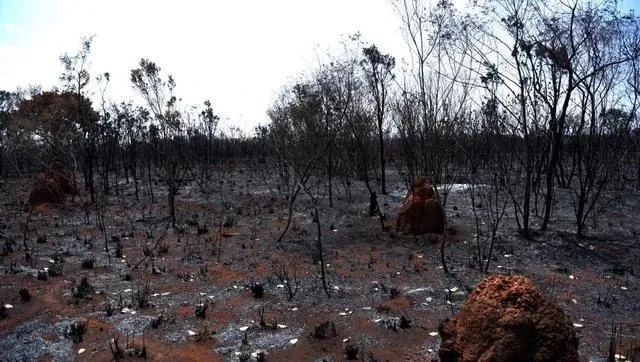
In addition, according to data released by Brazil's National Center for Monitoring and Early Warning of Natural Disasters, as of mid-September, Brazil had recorded more than 180,000 fires, more than double the number of fires in the same period in 2023, accounting for 50.6% of all fires in South America.
Brazil currently has about 5 million square kilometers affected, with 60% of the country's land area impacted. Among this, the total area of private agricultural property affected by fires is as high as 2.8 million hectares, including some pastures, confined rural operations, sugarcane and coffee estates, among others. Moreover, the fire situation is still occurring, with 13 municipalities in the state of São Paulo also reporting fires. According to reports from the civil defense department, the fires burned many plantations, pastures and some permanent protection areas, but the specific affected area has not yet been fully tallied.
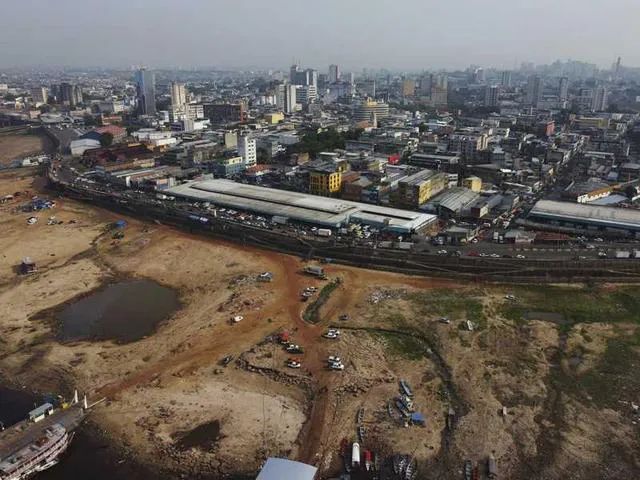
In addition, Brazil is facing a historic drought, which has worsened the fire situation, and the causes of this historic drought include natural factors such as the El Niño phenomenon, as well as human activities such as deforestation and open-air burning. The drought also means no rainfall. According to the data, as of September 22, more than a thousand cities in Brazil had experienced severe drought in 2024, with no significant rainfall for three consecutive months or more. These cities account for half of the total number of cities in Brazil.
Brazil's National Center for Monitoring and Early Warning of Natural Disasters shared satellite data showing that 1,188 cities in Brazil had gone 90 consecutive days without significant rainfall, and more than 600 cities had gone more than 130 consecutive days without significant rainfall, with some cities recording up to 173 days without rainfall. The most severely affected cities are currently mainly concentrated in Goiás, Minas Gerais and Mato Grosso.This has also caused many rivers within Brazil to shrink sharply, with the water levels of some tributaries of the Amazon River dropping to their lowest point of the year, falling by about 18 cm per day, with large stretches of riverbed exposed, shipping on some inland rivers obstructed, and surrounding lakes severely dried up, with lake surfaces greatly reduced. As temperatures continue to rise and rainfall remains scarce, these conditions will become increasingly severe, worsening water shortages and also causing serious impacts on local ecosystems.
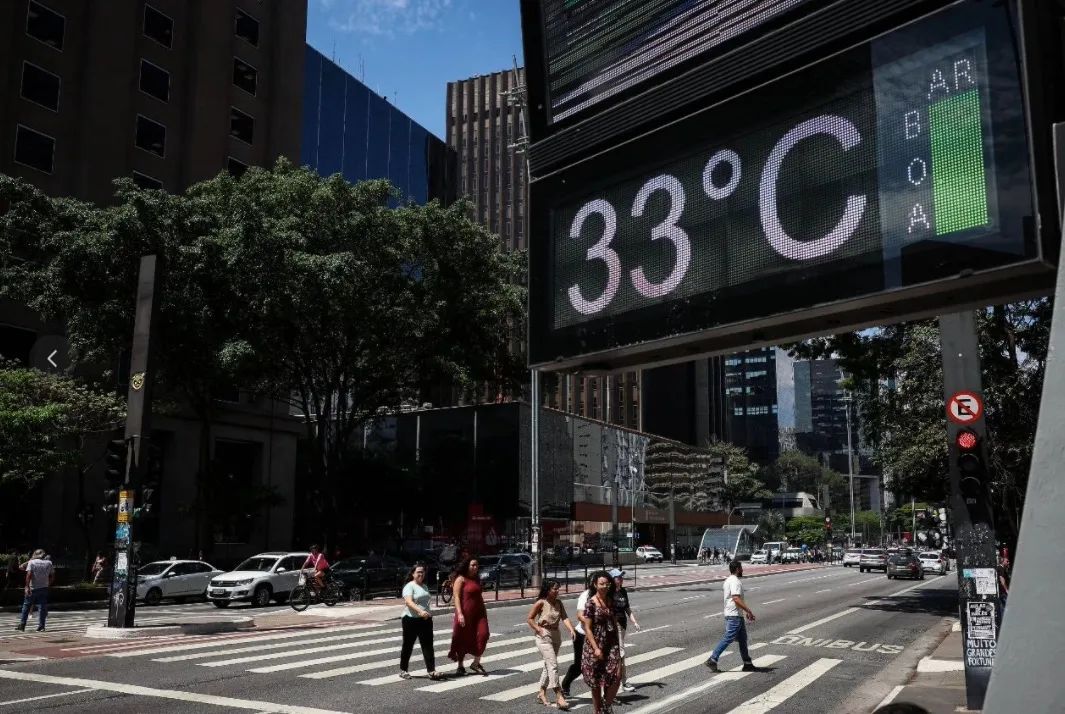
Meanwhile, Brazil remains in a state of sustained high temperatures. According to forecasts from the meteorological agency Climatempo, the dry and hot weather in southeastern and central-western Brazil will intensify further, and many cities may face high temperature and low humidity warnings. Temperatures in some areas will be 3°C to 5°C above average, with maximum temperatures potentially reaching 39°C.
Due to drought, low humidity and various other conditions, the Civil Defense of São Paulo State recently issued a statewide high fire risk warning through CGE (the Emergency Management Center). Many experts believe this situation will continue until the end of the year, and the situation will be difficult to alleviate in the short term.
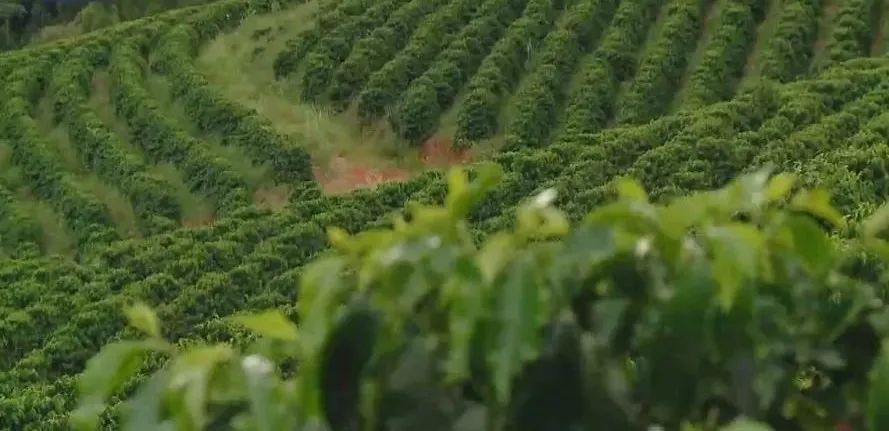
For Brazil's important coffee industry, the current situation is very severe. In the previous fires, many coffee estates were affected by the fires, and coffee trees were burned, with very serious impact. Currently, it is the flowering season of the new coffee crop, but due to drought and water shortage, some coffee trees will show a state of dry and yellowing leaves, which will seriously affect the flowering and fruiting of coffee, as well as the coffee production of the 2025 new crop. Therefore, the Brazilian official agency Conab has already lowered its coffee production forecast for the 2024/25 season, expecting a reduction of 4 million bags (60 kg/bag), a decline of 6.8%, but if the situation does not improve before the end of the year, production will continue to decline, and coffee prices will also continue to remain high.
To learn more news and information about coffee origins, please scan the QR code to follow: Kaping
Long-press the QR code to follow:

Related Reading






Comments (0)
Loading comments...
You May Be Interested




Trending Reviews
Popular Videos

With you, wherever you are! We provide useful features to help you find new things you'll love






