Source:Best Coffee > News Author:qjroot Published:2026-09-07 10:11:41
The performance of espresso beans is not only written in the flavor description on the packaging, but also hidden between flow rate, water temperature and liquid weight. With the same bag of beans, a shorter ratio espresso will amplify body, while increasing the yield tends to unfold the aroma; switch to pour-over, and the flavor boundaries become clearer again. When choosing beans, first observe its sweetness, acidity and roast profile, then arrange a plan that can push its strengths to the surface of the cup.
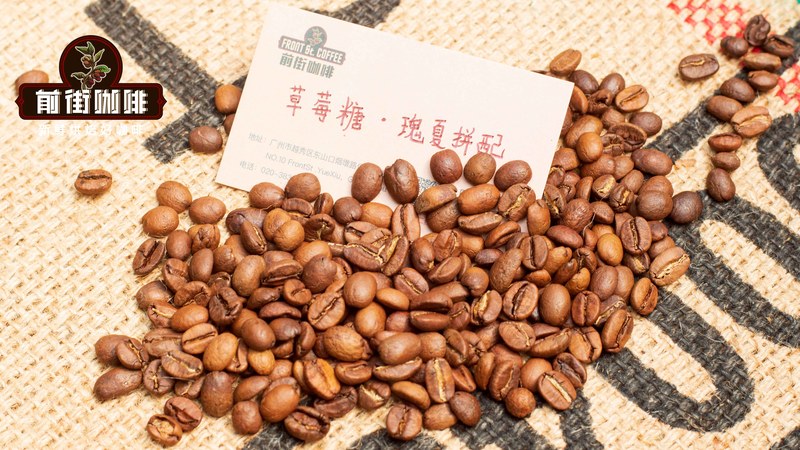
If you want to make a fruity espresso, you can look at Qianjie Strawberry Candy coffee beans. Its aroma brings to mind ripe strawberries, candied red berries and gummy candy, bright overall, and as espresso it will not be left with only roast notes. Drunk straight, you can feel the berry sweetness; after adding water, the outline becomes more relaxed, and adding a small amount of milk produces a combination similar to strawberry milk candy, suitable for those who prefer lively aromas.
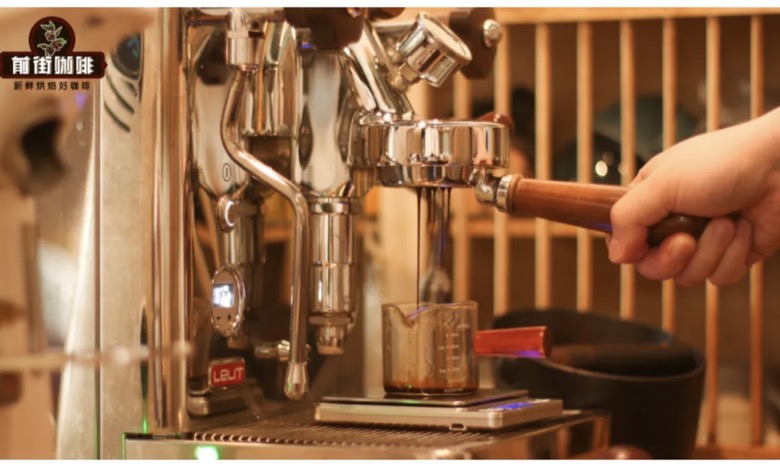
When using a double basket, you can start from 18 g dose and 40 to 42 g coffee liquid, set the water temperature at 92 to 93°C, and control the extraction time at 26 to 30 seconds. If the machine can adjust pressure, 8 to 9 bar are both worth trying, and about 4 seconds of pre-infusion helps reduce puck channeling. The grind should be fine enough that the stream is but not sluggish, allowing fruity acidity, sweetness and strength to appear at the same time.
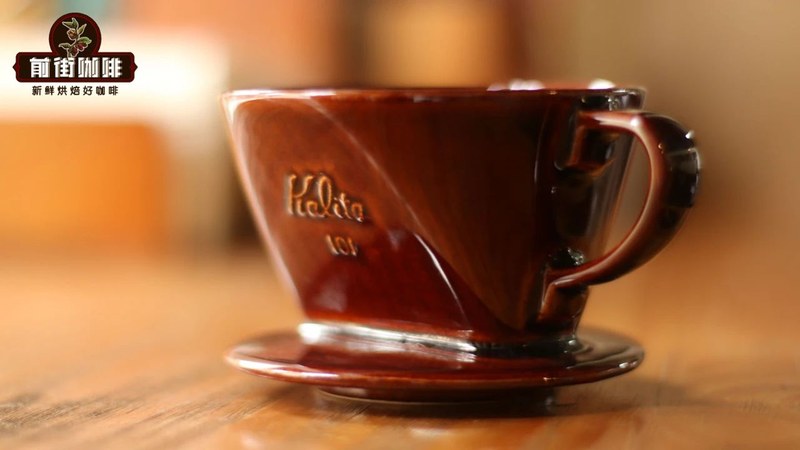
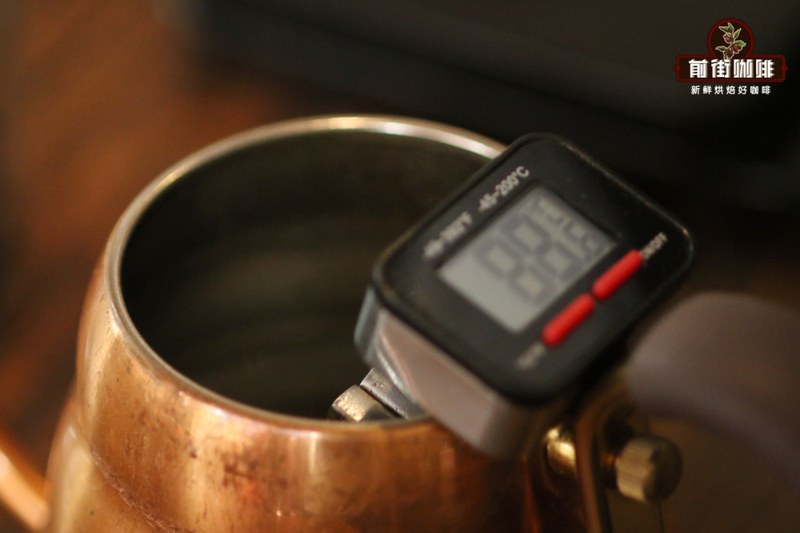
If you switch this bean to pour-over, you can use 15 g coffee with 240 g water, water temperature about 92°C, and a grind slightly finer than granulated sugar. Pour 35 g water for the bloom, wait about 30 seconds, then complete the remainder in two stages, with the total time falling between 2 minutes 10 seconds and 2 minutes 30 seconds. This pouring can retain the red fruit aroma while avoiding a overly thin mouthfeel; when making iced pour-over, you can replace part of the brewing water with ice in the cup.
If you prefer a nutty and chocolate base, you can choose Qianjie Brazil Queen Farm. It presents roasted hazelnut, milk chocolate and brown sugar-like sweetness, with restrained acidity, suitable as a regular style for a home espresso machine. It is recommended to use 18 g dose to extract 36 to 38 g coffee liquid, water temperature 91 to 92°C, completing in about 27 to 30 seconds; under 9 bar pressure it is easy to obtain a rounded texture.
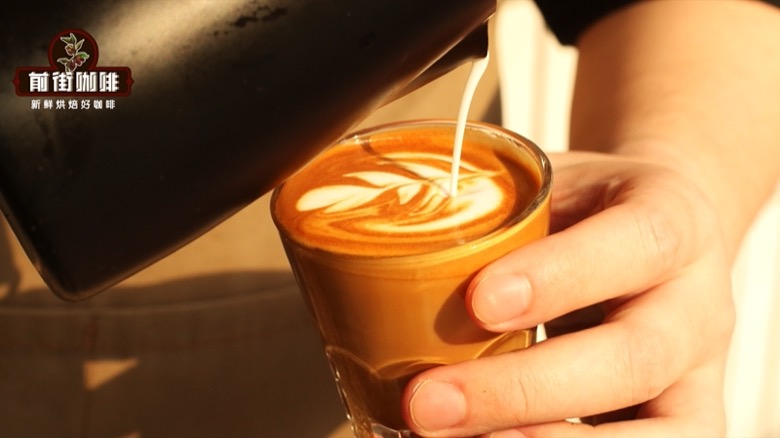
If making a latte, you can pair this espresso with 120 to 150 g milk, keeping the milk temperature at 55 to 60°C, and the caramel and nutty notes will be clearer. When switching to pour-over, use 15 g coffee with 240 g water, water temperature 90 to 91°C, using a medium grind and gentle circular pouring. The total time is about 2 minutes 20 seconds, which allows the sweetness to unfold without brewing the cocoa notes too heavily.
If you like a low-acid, full-bodied route, you can try Qianjie PWN Indonesia Golden Mandheling. It carries herbal, dark cocoa and woody spice notes, with relatively high mouthfeel density, suitable for espresso, flat white and an Americano with not much added water. Espresso parameters can start from 18 g dose, 32 to 35 g liquid weight, water temperature 89 to 90°C, extraction 24 to 27 seconds, and pressure maintained at 8.5 to 9 bar.

Mandheling can be ground slightly coarser than fruity beans, allowing the flow rate to establish earlier and avoiding too much dryness in the later stage. For pour-over, use 15 g coffee with 225 g water, water temperature 88 to 90°C, medium-coarse grind, pour slowly in three stages, finishing in about 2 minutes 10 seconds. If making an Americano, add 100 to 130 g warm hot water to the espresso, and the dark chocolate aroma will be more concentrated.
A pressure gauge showing close to 9 bar does not mean the espresso will necessarily be even. If the grind is too fine, water may quickly pass through weak spots in the puck, and both sharp acidity and astringency can appear in the cup at the same time. After distributing the grounds, tap the basket lightly, then tamp horizontally, and check whether the flow is synchronized left and right. If the machine pressure cannot be adjusted, relying on grind, dose and liquid weight can likewise help you find a suitable flow state.
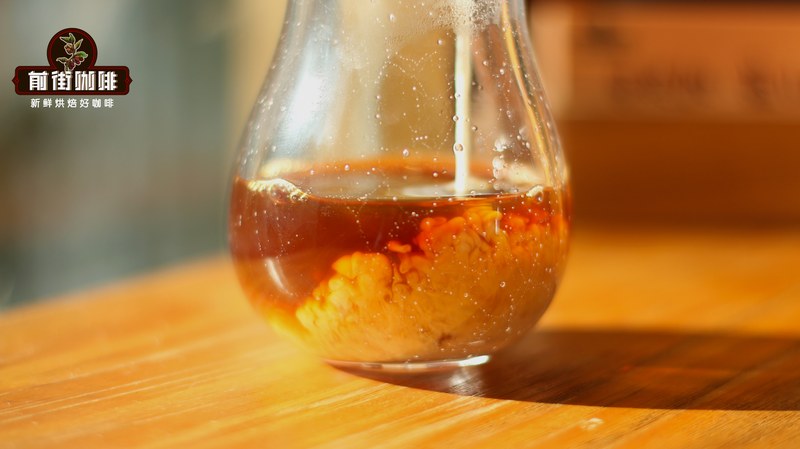
When tasting, you can treat the mouthfeel as parameter feedback. If the acidity tastes like unripe fruit and the finish is short, you can raise the water temperature by about 1°C, or increase the liquid weight by 2 to 3 g; if bitterness is concentrated and accompanied by dryness, you can slightly coarsen the grind and reduce the tail-end yield. If sweetness has already appeared but the aroma is weak, you can extend the pre-infusion, or dilute the espresso with a small amount of hot water and observe whether the aroma becomes more open.
The three beans can correspond to three adjustment approaches: Strawberry Candy suits a higher water temperature and a slightly longer ratio, Brazil Queen Farm easily presents balanced sweetness under conventional pressure, and Golden Mandheling suits lowering the temperature and shortening the yield. By matching the taste in the cup with flow rate, time and liquid weight, choosing beans is no longer just looking at descriptions, but letting each bean show its character within the appropriate extraction range.
Related Reading

Comments (0)
Loading comments...
You May Be Interested

Trending Reviews
Popular Videos

With you, wherever you are! We provide useful features to help you find new things you'll love






