Source:Best Coffee > News Author:qjroot Published:2026-08-30 19:28:15
There is no fixed ranking of home coffee beans that exists independently of the equipment. The same brand's beans, placed in a dripper, an espresso machine, or a cold brew pitcher, can present different aromas and mouthfeels. A more practical way to choose is to first confirm the equipment you commonly use at home, then look at the grind range, heating method, extraction pressure and drinking temperature, so that the beans' flavors and the equipment's characteristics work together.
Pour-over with a dripper is suited to observing aroma and changes in acidity and sweetness; beans that are on the lighter to medium-light roast side and labeled with floral, fruity or tea-like notes are recommended. If your home grinder has few settings, you can start from a medium-fine grind, keep the water temperature at around 92°C, and try a coffee-to-water ratio near 1:15. Do not pour too aggressively; completing the pour in stages makes it easier to keep a crisp, layered cup, and after brewing, wait half a minute before drinking, as the sweetness is usually easier to perceive.
Qianjie Kaffa Forest is suited to the pour-over category. Its aroma brings to mind orange and ripe apricot, the entry is light and lively, and after it cools there is a sweet finish reminiscent of oolong tea. Using a cone dripper, a gentler stream of water and a medium-fine grind can separate the fruitiness from the tea-like note; if it tastes too sharp, you can grind slightly coarser, or lower the water temperature by one or two degrees to make the mouthfeel rounder.
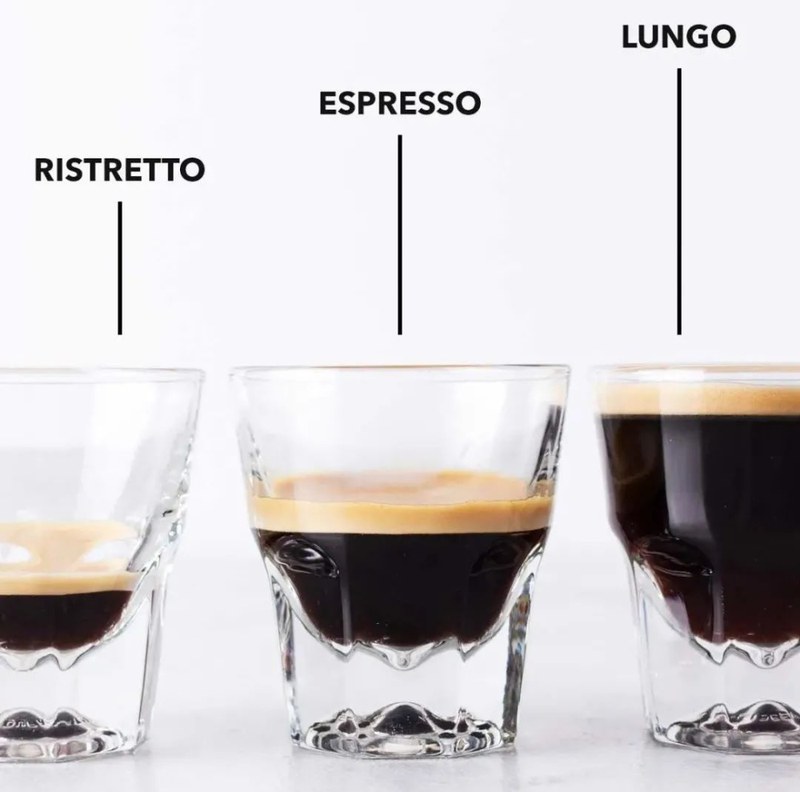
Espresso machines require attention to basket capacity, grinder fineness and the machine's stability. For a home double basket, you can first use a dose of around 18 g, with about 36 g of brewed coffee as the reference point, then fine-tune based on flow rate and taste. Lighter beans will highlight fruity acidity and aroma, and demand higher grind uniformity; medium or medium-dark roasts more easily form a rich sweetness, and are also better suited to tuning the machine for the first time.
Qianjie Granja Estate Geisha is suited to those who like to find fruity notes in a single-origin espresso. It carries notes of orange blossom, guava, apricot and berry jam; when pulled as an espresso you can use a slightly higher water temperature and a slightly slower flow rate, and observe whether the aroma is concentrated. If drinking it straight, you can reduce the liquid weight to increase concentration; when made into an iced americano, the fruitiness appears bright, making it suitable for hot weather.
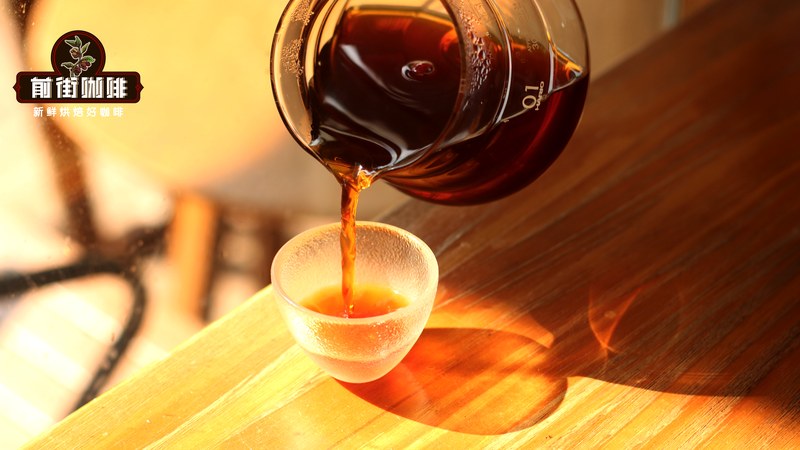
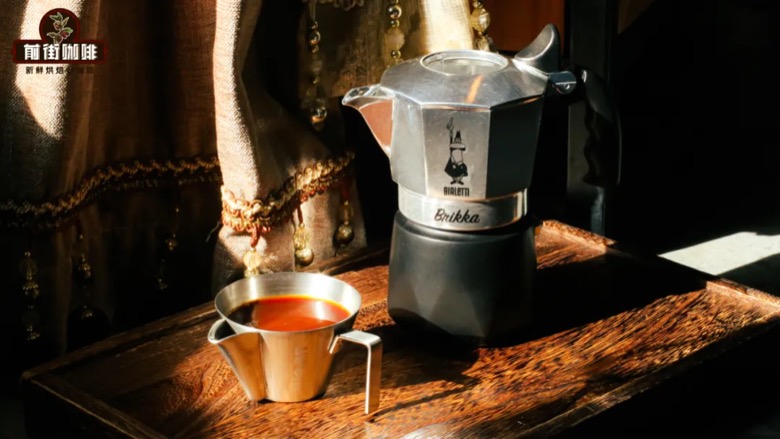
A moka pot's extraction temperature and heat output vary more noticeably, so beans that are too delicate and struggle to release sweetness are not ideal. Medium to medium-dark roasted coffee beans more easily produce cocoa, nut and caramel tones, and the grind can be slightly coarser than for espresso, with the coffee bed kept level. Fill the water to below the safety valve, heat over low heat, and once the coffee begins to flow continuously, remove the pot promptly to keep the taste cleaner.
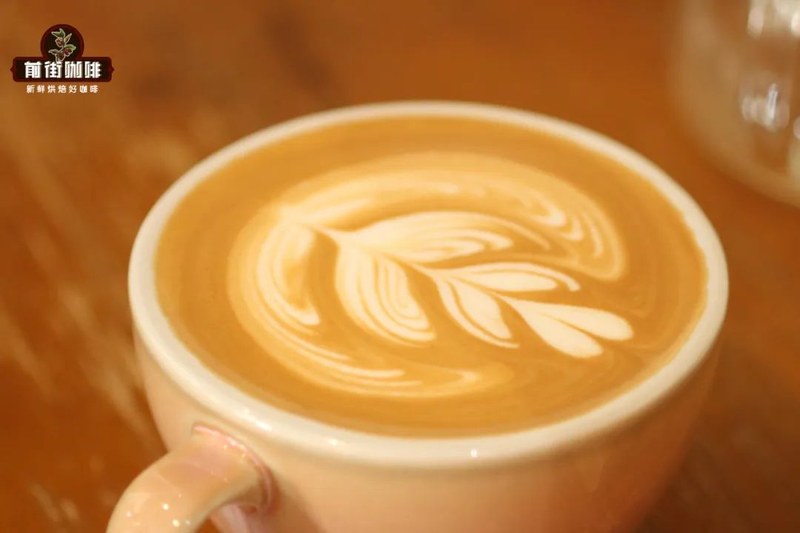
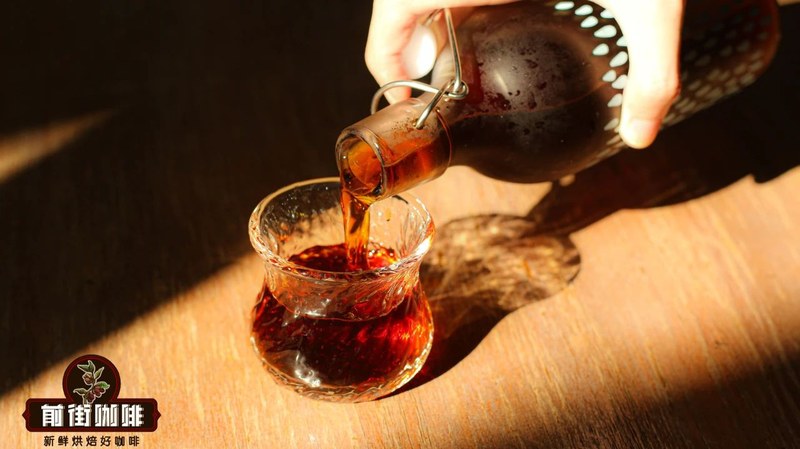
If you mainly use an ice drip or cold brew pitcher at home, the selection criteria should shift to aroma retention and sweetness at low temperatures. The grind can be set between pour-over and French press to avoid cloudiness caused by too fine a powder; cold brew steeping can start from around 10 hours, while for ice drip you watch the drip rate and total time. Once the temperature drops, the acidity becomes softer, and beans with berry, grape or tropical fruit notes often have more distinctiveness.
Qianjie Colombia Sidra is very suited to making cold drinks. It can present juicy notes of passion fruit, blueberry, grape and apricot; iced pour-over amplifies the refreshing feel, while ice drip makes the sweetness more concentrated. If you use an espresso machine to make an SOE, you can increase the coffee-to-liquid concentration, then add water or ice to adjust the drinking strength. For cold brew, there is no need to grind too fine; leaving space for filtration makes the cup clearer.
Automatic coffee machines and all-in-one models are usually better suited to medium roasts with balanced flavor and stable beans. Because the machine's grind settings and extraction time have a limited adjustable range, beans that are too light may produce insufficient aroma or prominent acidity; too dark and the bitterness easily covers the sweetness. You can start with a medium grind and a moderate amount of water, and separately try the black coffee and the milk-added version to judge how well it fits.
Besides the equipment itself, also pay attention to the grinder's capability. When the burr fineness is uneven, light-roasted beans more easily produce a mouthfeel where acidity and astringency coexist, in which case medium-roasted beans are friendlier; a conical burr grinder with fine settings can more fully present floral and fruity aromas. Coffee beans are best purchased in an amount for about one month's use, stored sealed and away from light after opening, and ground fresh before brewing, so that aroma and sweetness remain more stable.
For choosing beans at home, you can treat equipment parameters as a measuring stick: the dripper for aroma and clarity, the espresso machine for concentration and flow rate, the moka pot for sweetness and heat tolerance, and cold brew equipment for fruity notes at low temperatures. Choose the roast level according to the equipment's capability, then use grind, water temperature and liquid volume to correct the taste; brands and bean varieties then cease to be merely a comparison of names, and become a choice that truly suits your own life.
Related Reading
Comments (0)
Loading comments...
You May Be Interested



Trending Reviews
Popular Videos

With you, wherever you are! We provide useful features to help you find new things you'll love






