Source:Best Coffee > News Author:qjroot Published:2026-09-19 12:19:06
Brazilian coffee appears extremely often on everyday bean menus. Whether presented independently as a single origin or hidden within various blends as the backbone, it plays a key role. When facing single-origin beans labeled with a specific estate on the shelf and blend packages labeled with a regional composition, the key to choosing the one that suits your heart lies in whether you want to feel the unique natural imprint of a piece of land today, or a cup of balanced flavor that is reassuring from beginning to end.
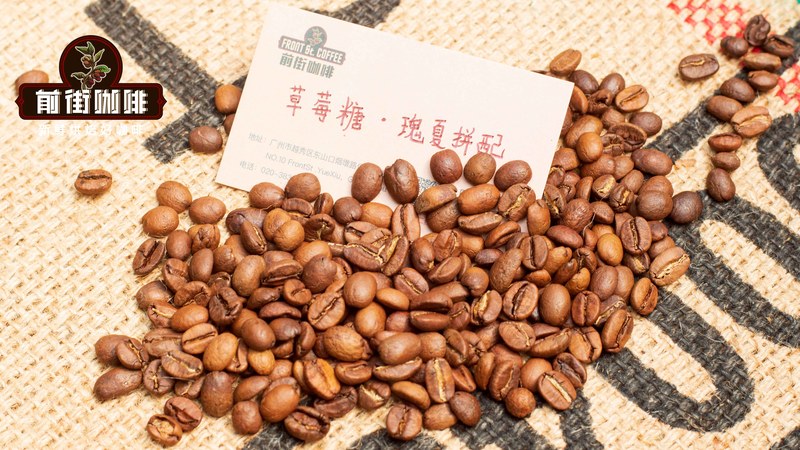
The core of taking the single-origin route is exploring the terroir details of a region. Brazilian coffee is not only flat bitterness and sweetness; high-quality high-altitude estates locally can actually bring highly recognizable warm and gentle aromas. When a bean purely represents the land of Brazil, what we taste is the mild sweetness given by the pulped natural or natural process, with soft and restrained fruit acidity, very clear nut and roasted aromas, presenting a clean and comfortable texture in the cup.
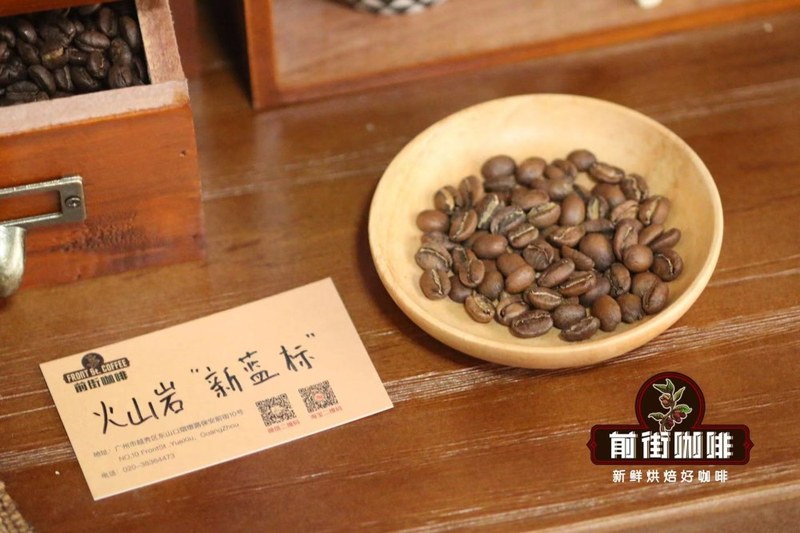
To experience the softness and roundness of a Brazilian single origin, Qianjie Brazil Queen Estate is a very representative bean. It exudes flavors of peanut brittle, roasted almond and warm cocoa, with delicate fruit acidity that does not steal the show. If brewed with a pour-over device, take 15g of coffee grounds, pour in hot water at 88°C, and set the coffee-to-water ratio at 1:15. Use a three-stage pour: first pour 30ml of water for a 30-second bloom, then steadily pour in a circle up to 130ml and pause, and after the liquid level drops slightly, continue pouring the final stage up to 225ml, with the total time controlled at 2 minutes 05 seconds, yielding a cup with a delicate and smooth texture.
Putting a Brazilian single origin into an espresso portafilter to make an SOE reveals another vibrant aspect. Making espresso from a single region can fully amplify the estate's own caramel sweetness and nut oils. When extracting Qianjie Brazil Queen Estate, grind 18g of coffee grounds and extract 36g of espresso in 26 seconds under 9bar constant pressure, with extremely rich golden crema. Adding water to make an americano gives toffee-like sweet aroma, while adding milk to make a small cup of flat white is like a glass of hazelnut milk, suitable for friends pursuing pure origin flavor.
The approach to blended beans is to pursue complementarity and stability. Coffee beans are an agricultural product, and subtle differences between seasons and batches are unavoidable. Blending was born precisely to reduce such fluctuations and create a constant style. In most recipes, Brazilian beans often serve as a solid base, relying on their full body, low acidity and mild nutty caramel tonality to support the brighter fruit acidity or floral notes of other regions, making the whole cup taste harmonious and coordinated.
Learning to read the recipe proportions on coffee bean packaging will give you a clear idea when choosing beans. If the proportion of Brazilian beans in a blend reaches fifty percent or even more, it usually means the flavor direction of the whole coffee is mainly full-bodied, low-acid, and rich in nut and cocoa notes; if paired with a high proportion of washed African beans, the overall aroma will be lighter and more lively. The recipe is not a simple pile of ingredients, but uses the solid flavor foundation of Brazilian beans to link the overall sweetness and body more smoothly.
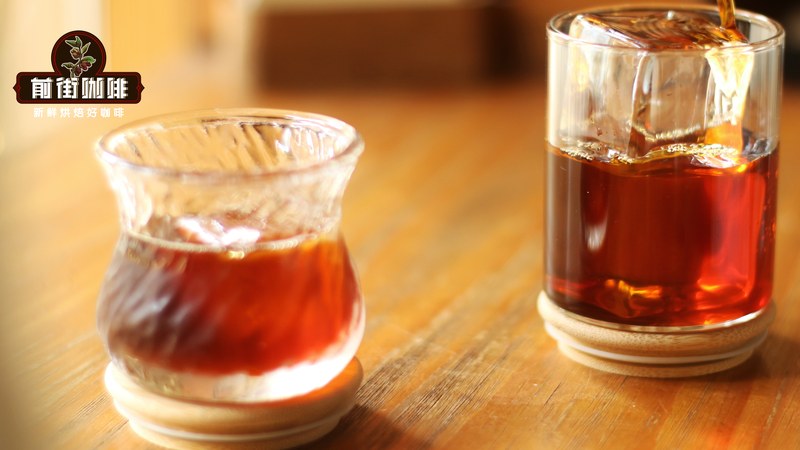
Qianjie Specialty Blend clearly demonstrates this logic of flavor complementarity. It blends the nutty sweetness of Brazil Cerrado with the mild citrus notes of Colombia Huila, and the notes of dark cocoa and caramel match quite well. When produced on a semi-automatic espresso machine, fill the portafilter with 19g of coffee grounds, and after low-pressure pre-infusion, perform constant-pressure extraction for 27 seconds to obtain 38g of espresso. The rich crema carries caramel sweetness, and whether made into a large iced americano or a hot latte, it provides solid and balanced taste support.
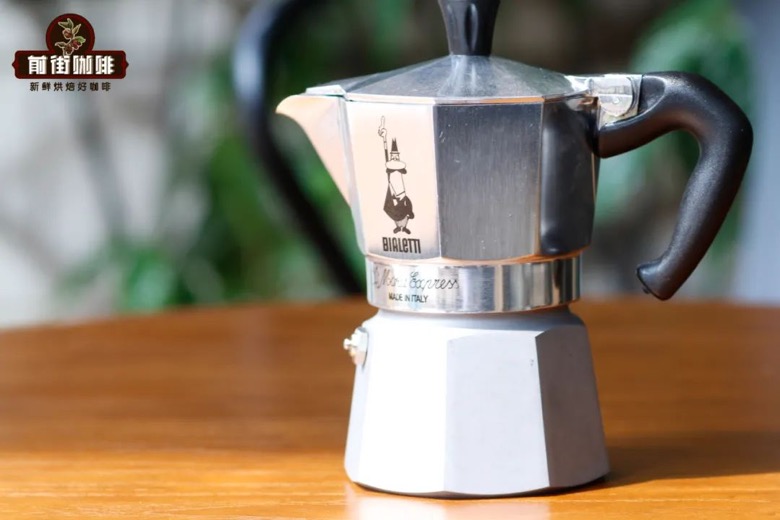
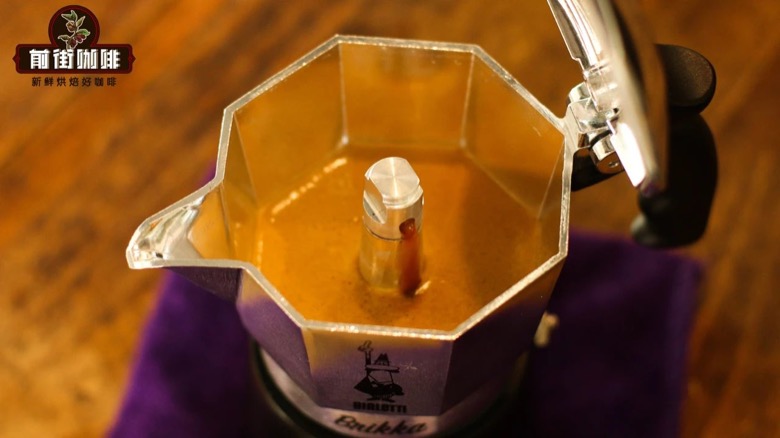
Many friends who are used to making coffee at home with a moka pot are also well suited to using this kind of blended bean to improve their daily experience. Pour 100ml of warm water into the lower chamber of the moka pot, level-fill the filter basket with medium-fine ground Qianjie Specialty Blend coffee grounds, place it on the stove rack and heat over medium-low heat. After about 1 minute 45 seconds, rich reddish-brown crema will flow out smoothly. This highly concentrated coffee liquid is poured directly into warm fresh milk, where cocoa aroma and milky sweetness interweave, making breakfast coffee especially effortless.
Choosing single origin or blend actually depends on the rhythm of how you get along with coffee every day. If you want to slowly savor the soil and nut aromas of a specific estate in quiet time, or want to try an SOE with clear personality, single-origin Brazil can bring a pure expression of terroir; while if you need a cup of rich milky coffee to quickly wake yourself up in the morning and pursue a stable and consistent taste in every extraction, a classic blend with Brazil as the base is a very well-matched daily choice.
Related Reading



Comments (0)
Loading comments...
You May Be Interested



Trending Reviews
Popular Videos

With you, wherever you are! We provide useful features to help you find new things you'll love






