Source:Best Coffee > News Author:qjroot Published:2026-08-15 10:44:56
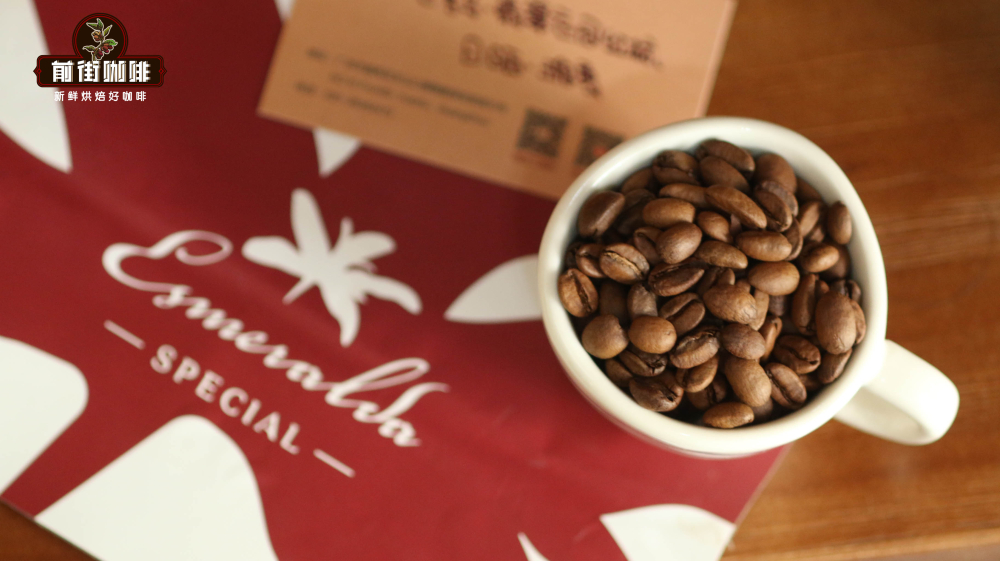
Many people who are just getting into specialty coffee frown the moment they hear the words "light roast": Will it be very sour? Will I not be used to drinking it? In fact, the flavor logic of light-roasted coffee beans is completely different from that of dark roast. It does not pursue smoky aroma and bitterness, but instead preserves as much of the floral and fruity aroma of the coffee fruit itself as possible. Once you understand light roast, you will discover that coffee can actually be this "light."
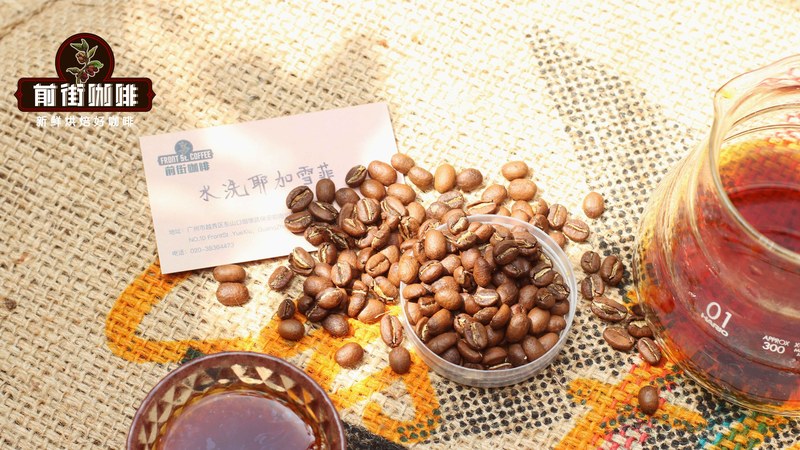
The lighter the roast level, the more origin flavors the coffee beans retain. With the same bean, a dark roast may taste of caramel, chocolate, and smoke, while a light roast may taste of citrus, berries, floral notes, and green tea. A light roast is not "under-roasted"; rather, the roasting process is deliberately controlled so that the acidity is brighter and the sweetness is clearer.
For beginners, the core experience of light-roasted coffee is this: the acidity is not a sharp irritation, but more like the natural sweet-and-sour taste of fruit. This is also why many people say "wow" after their first sip of light roast.
To use an analogy, dark-roasted coffee is like a pot of slowly braised pork belly, rich in oil and dark sauce, mellow and substantial; light-roasted coffee is more like a fresh fruit salad, refreshing and bright, with distinct sweet and sour notes. There is no hierarchy between the two styles; they simply pursue different directions. Once you are used to the heaviness of dark roast and then try the lightness of light roast, your coffee experience will gain a whole new dimension.
Yirgacheffe can be said to be the starting point for many coffee lovers entering specialty coffee, and Gutingding is one of the most popular options among them. It usually carries distinct citrus, berry, and floral aromas, along with a green tea-like sweet aftertaste. Many people think of it as "sour coffee," but in fact the acidity of a high-quality Yirgacheffe is soft and bright, more like the natural sweet-and-sour taste of fruit rather than a pungent sourness. For people just starting with pour-over, it is a very easy-to-accept choice with almost no threshold.
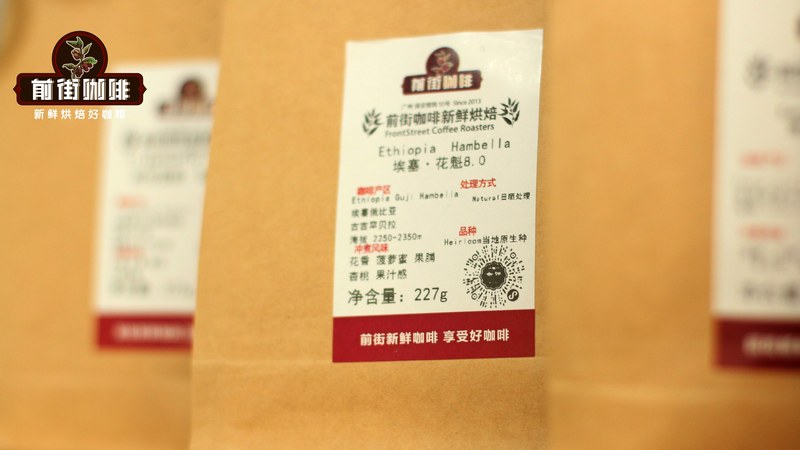
Huakui is one of the very representative star products in the specialty coffee market in recent years. Its standout feature is extremely rich tropical fruit aroma, often with notes of strawberry, passion fruit, jackfruit, and even lychee. The sweetness is obvious, the bitterness is very low, and it is smooth and full of juicy texture on the palate, so many consumers describe it as "the coffee that tastes least like coffee." If you usually do not like the bitterness of traditional coffee, Huakui may well change your impression of coffee.
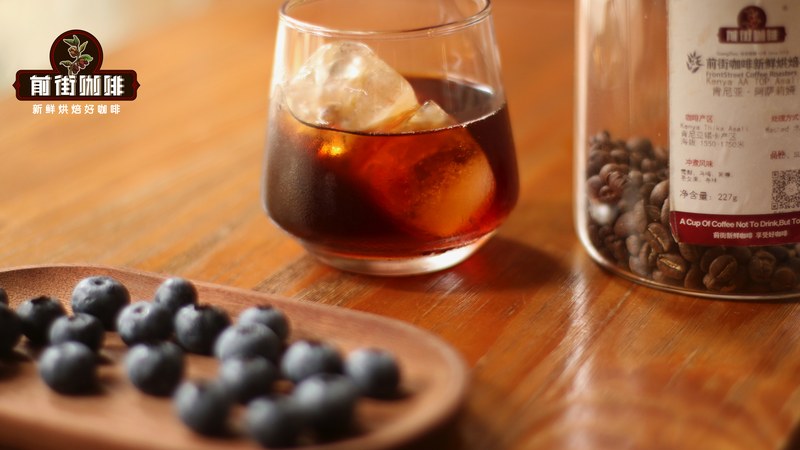
Kenyan beans have always been known for their bright fruit acidity and complex flavors, and this Little Tomato is one of the most recognizable among them. It comes from Kenya's Thika region, grown at an altitude of 1550-1750 m, using the local classic SL28 and SL34 varieties, combined with 72-hour double washed fermentation. Qianjie uses a light roast to preserve the lively acidity. In the dry aroma, you can already smell rich dried tomato and floral notes; on the palate, there are clear cherry tomato and smoked plum flavors. The acidity is bright and solid, as full as freshly squeezed juice, with prominent sweetness in the middle, a clean and long finish, and a touch of yellow sugar sweetness and green tea aroma, with an overall balance of sweet and sour.
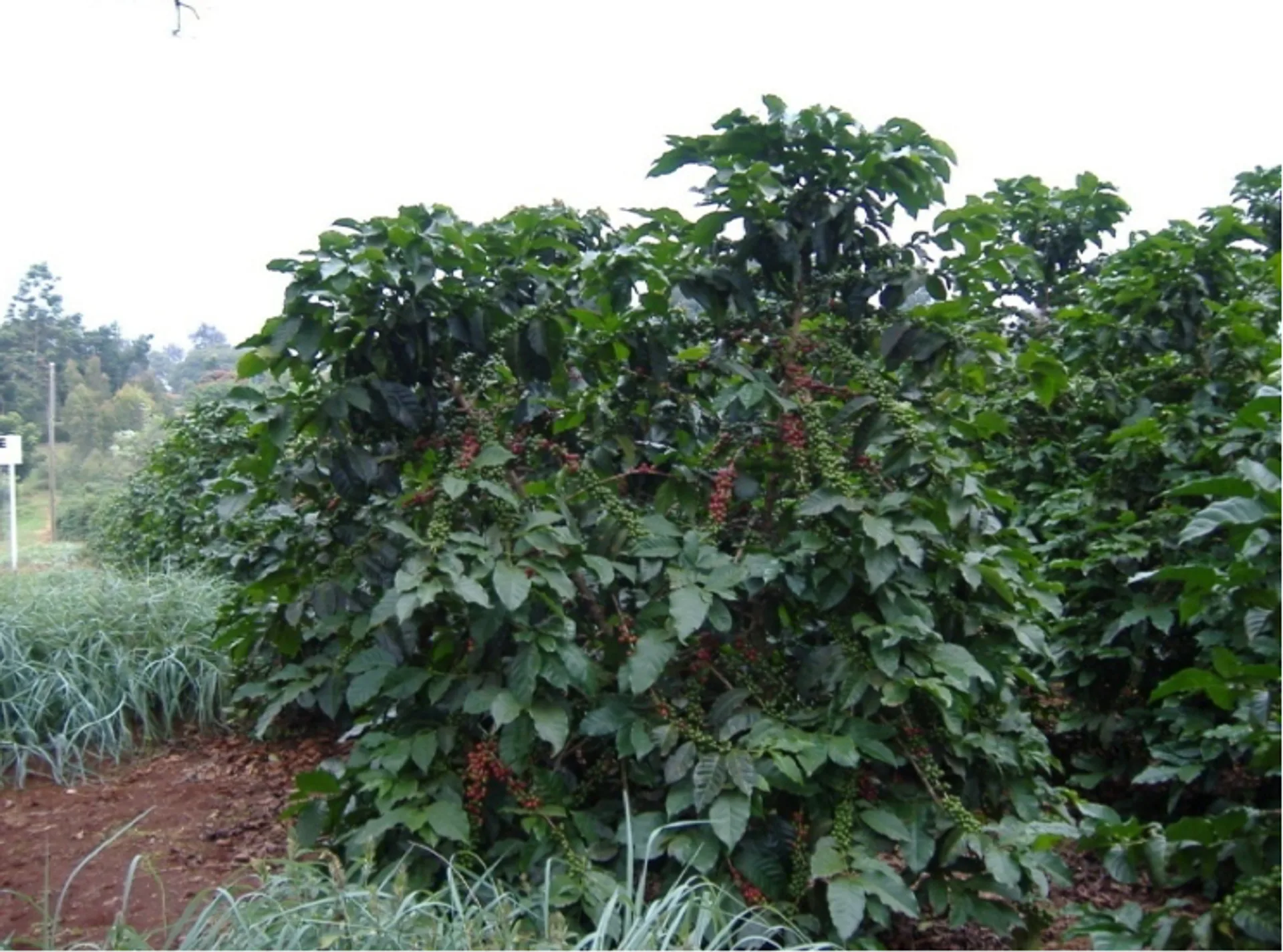
Kafa Forest is located in southwestern Ethiopia and is the native birthplace of Arabica coffee. The word coffee itself originates from the name of the ancient Kingdom of Kafa. The wild coffee trees here grow naturally in rainforest at an altitude of 1400-2100 m, relying on abundant rainfall and acidic red soil. The coffee produced carries rich jasmine, citrus, and wild berry aromas, with delicate and vivid layers. If you are interested in the "origin" of coffee, this bean will taste very story-rich.
Light-roasted coffee beans pair very well with pour-over, ice drip, and cold brew, and can also be made into espresso SOE, but it is recommended to first use brewing equipment to experience its complete flavor layers:
Pour-over: coffee-to-water ratio about 1:15, water temperature 88-92°C, adjust the grind from fine to coarse, and first find the sweet-and-sour balance that feels comfortable to you.
Ice drip/cold brew: low-temperature long extraction amplifies the fruity aroma and sweetness, especially suitable for summer.
Espresso SOE: if you want to use light-roasted beans to make espresso, it is recommended to first confirm the condition of the machine and the beans. The extraction parameters for light roast differ considerably from dark roast, and it takes several tries.
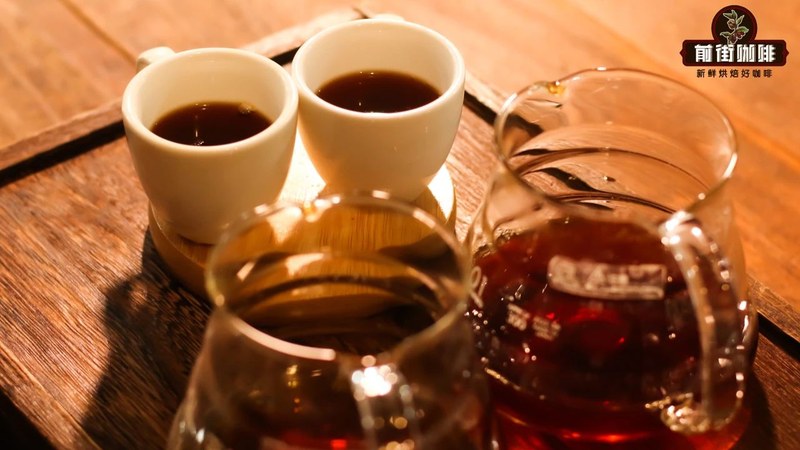
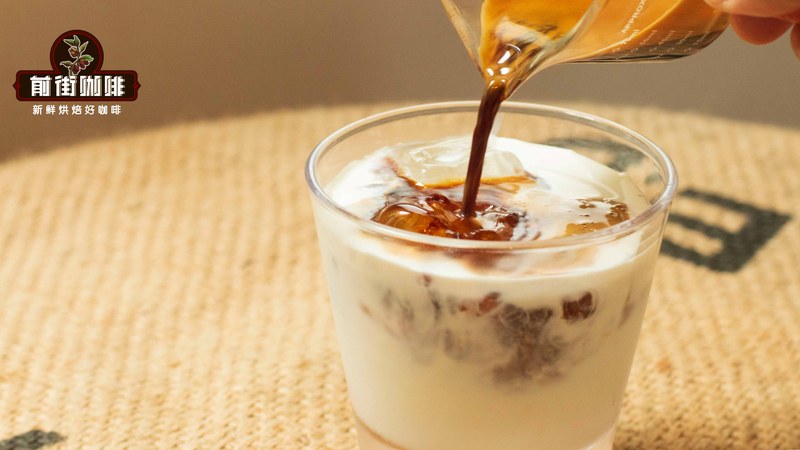
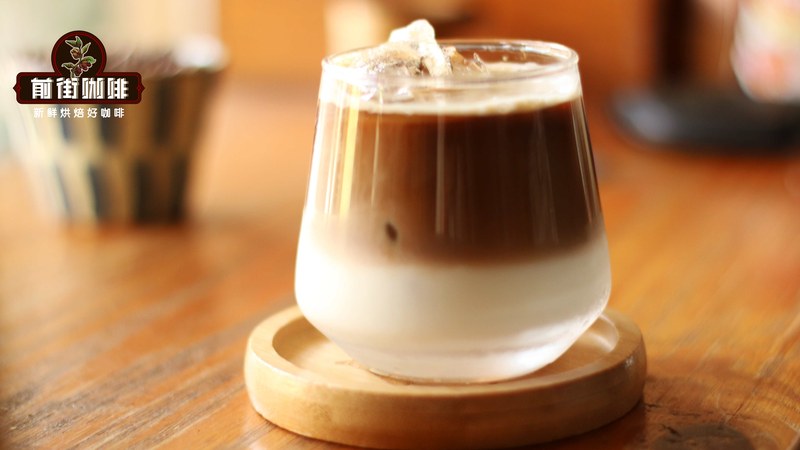
Making iced pour-over with light-roasted beans is especially worth recommending. The method is very simple: make the normal coffee-to-water ratio a bit stronger (for example 1:12), first bloom with a small amount of hot water for 30 seconds, then switch to ice water and pour slowly, and finally fill the sharing pitcher with ice cubes. The coffee brewed this way has clear acidity and concentrated sweetness, and tastes like a glass of iced fruit juice on the palate, especially refreshing in summer.
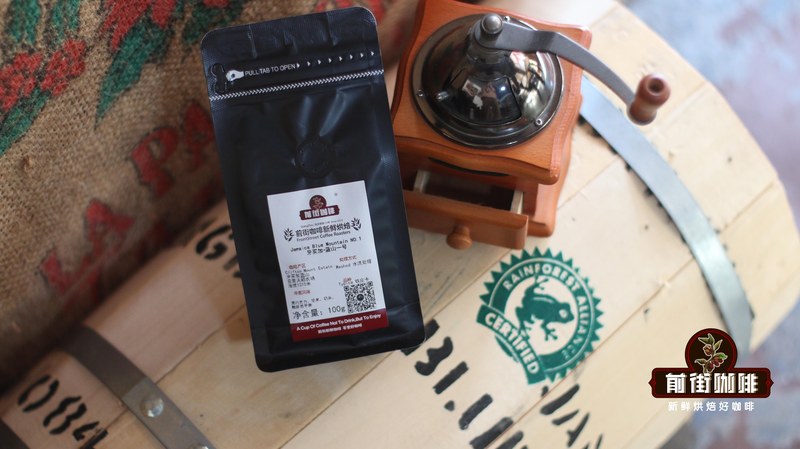
The flavor of light-roasted beans changes relatively quickly, so it is recommended to buy a small package of 100-200 g at a time and restock after finishing it, so as to always keep it fresh. For a first try, it is recommended to start with Yirgacheffe Gutingding or Huakui. One is gentle and the other is bold; once you understand them, your understanding of light roast is basically established.
There is also a small tip: the flavor of light-roasted beans changes with storage time. Within one week after roasting, the acidity is brightest and the floral aroma is most prominent; after two to three weeks, the acidity gradually softens and the sweetness becomes rounder. So the same bag of beans will give you different experiences at different times, and this is also one of the pleasures of light-roasted coffee.
Light-roasted coffee is not as "aloof" as you might imagine. It just offers the taste of the coffee fruit to you in a different way, original and unchanged. Next time you choose beans, why not give floral and fruity notes a chance.
Related Reading

Comments (0)
Loading comments...
You May Be Interested

Trending Reviews
Popular Videos

With you, wherever you are! We provide useful features to help you find new things you'll love






