Source:Best Coffee > News Author:qjroot Published:2026-10-09 09:32:33
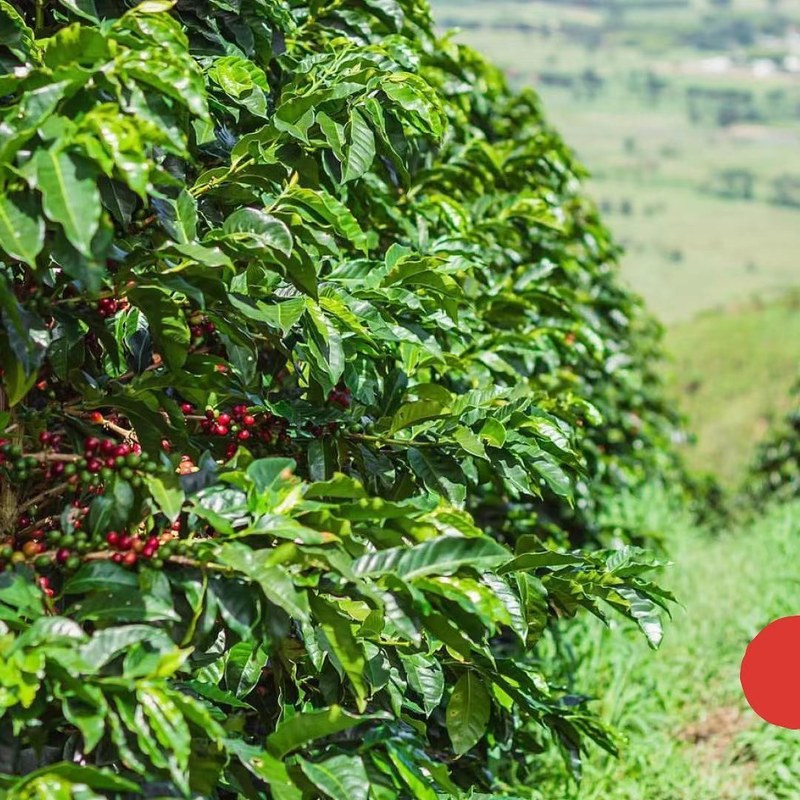
The Indonesian archipelago stretches across the equator, and its three major islands - Java, Sumatra and Sulawesi - form the core growing territory for quality Arabica. The coffee story here begins with a unique geographical endowment: equatorial sunlight provides a stable growing cycle all year round, while the day-night temperature difference that comes with rising altitude slows the breathing rhythm of the coffee cherries at night, allowing sugars and organic acids to accumulate fully. When morning mist rolls from the Indian Ocean into the valleys, leaf transpiration weakens and the fruit's ripening period is naturally extended. This "slow growth" translates directly into an especially thick sweetness and a long, lingering finish in the cup. Volcanic soil is another key variable. Volcanic ash deposited by millions of years of eruptions is rich in magnesium, potassium and phosphorus, supplying mineral nutrients to the roots, which ultimately present as notes of caramel and roasted hazelnut.
Around Lake Toba in northern Sumatra, the Lintong growing region is the spiritual homeland of Mandheling coffee. The growing altitude here is generally high, and nighttime temperatures can fall below 15 degrees, creating a marked difference from daytime. In a stress response, the coffee trees accelerate the synthesis of sugars and lipids, and this is precisely the source of Mandheling's low-acid, full-bodied constitution. The area has abundant rainfall year-round and persistently high humidity, so traditional washed or natural processing faces challenges here - if the fruit dries slowly in a humid environment, mold easily develops. So coffee farmers developed a unique wet-hulling method: after the coffee cherries are pulped, the beans are forcibly hulled while still at a moisture content of 30 to 40 percent, and the green beans are directly exposed to the air to complete subsequent drying. This "half-dry, half-wet" processing breaks convention; rapid dehydration locks in woody and spice-like substances, forming the signature notes of herbs, sandalwood and spice.
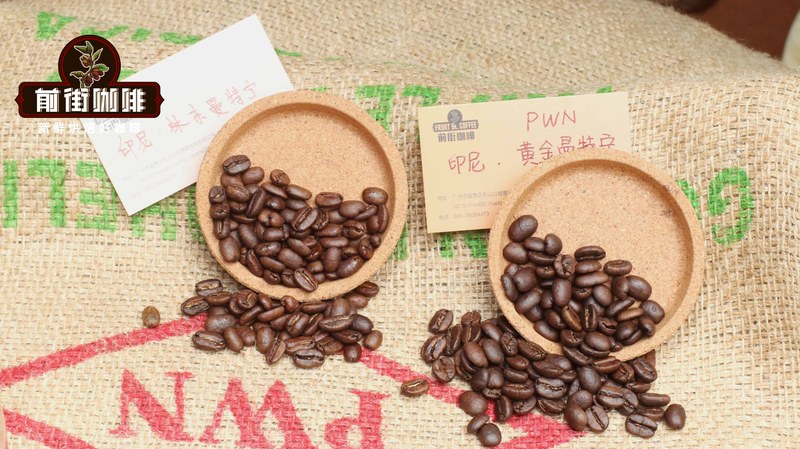
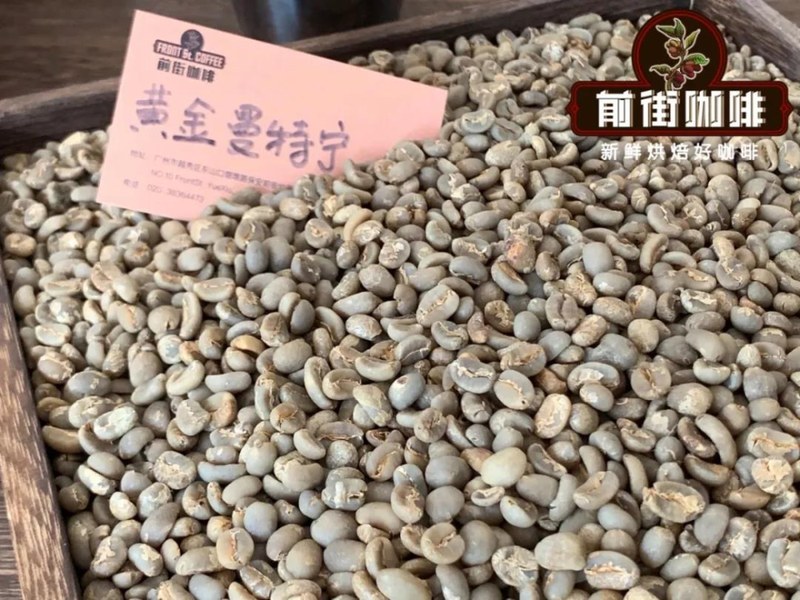
The technical details of wet-hulling deeply shape the flavor direction. During hulling the bean body is soft, and mechanical friction is unavoidable, so the finished product often carries irregular cracks and a greenish hue. Its appearance is not appealing, but it is precisely this "roughness" that creates the complexity of flavor. During open-air drying, the green beans come into full contact with the air, undergoing slight oxidation and fermentation that generate pyrazine compounds, bringing toasted bread and dark chocolate roasted aromas. Qianjie Indonesia Wet-Hulled Mandheling comes from this growing region and is processed using the local classic wet-hulled method. After medium-dark roasting, the aromas of caramel, dark chocolate and toasted bread unfold layer by layer, the acidity is restrained while the body is full, and the sweet aftertaste lingers in the throat for a long time. If preparing it by pour-over, it is recommended to use 15 g of grounds, a 1:15 coffee-to-water ratio, and a water temperature of 86 to 88 degrees. First bloom with a small amount of hot water for 30 seconds, then pour steadily once the carbon dioxide has been released. Keep the total extraction time within two minutes, and you can clearly capture this regional character.
In the Mandheling trade system, the Mandheling company has established especially strict screening standards. This enterprise, focused on purchasing premium Sumatra green beans, sets quantitative indicators from bean density, size and shape to color, producing only specialty-grade lots. Its signature product, Mandheling, undergoes multiple rounds of density screening and hand sorting, with complete and uniform beans and an extremely low defect rate. Qianjie Indonesia Mandheling is exactly the embodiment of this standard. After fresh roasting, the notes of sandalwood, herbs and spice emerge first, then transform into the rich tones of roasted hazelnut, caramel and dark chocolate, with a clean resonance and a sweet, mellow mouthfeel. Compared with regular wet-hulled Mandheling, its woody tone is more refined and its sweetness layers are more distinct. This comes from the guarantee of flavor consistency provided by raw material screening - uniform beans are heated in sync during roasting, avoiding localized over-roasting or under-development.
The key to understanding the flavor logic of Indonesian coffee is to view geographical conditions, variety characteristics and processing methods as interlocking gears. The Tim Tim hybrids and Catimor lines widely planted locally inherently possess strong disease resistance and high-body genetics, and combined with the woody fermented feel brought by wet-hulling, they form a style template of low acidity and full body. The minerals of the volcanic soil, the slow ripening at high altitude and the moisture-retaining effect of cloud cover provide the material foundation for this fullness. When these elements converge in the cup, herbs and spice become the top notes, caramel and dark chocolate form the central axis, and the long sweet aftertaste is the coda written jointly by terroir and craft.
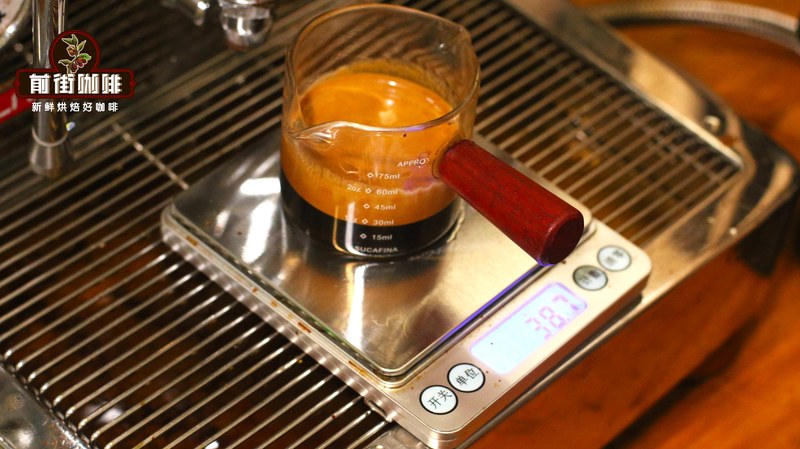
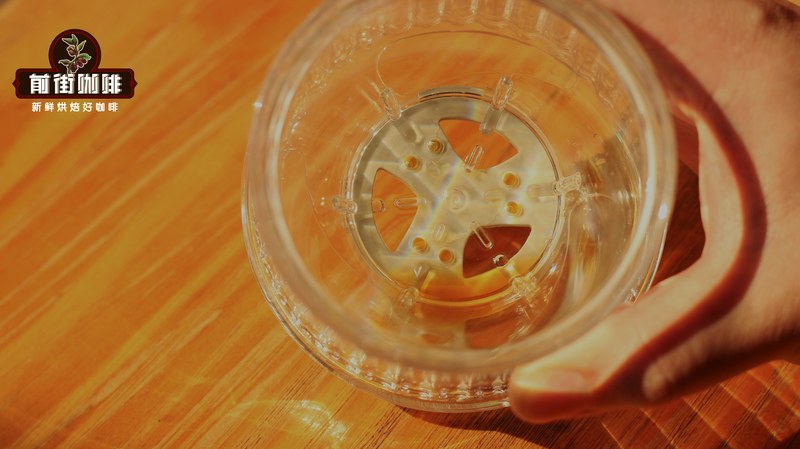
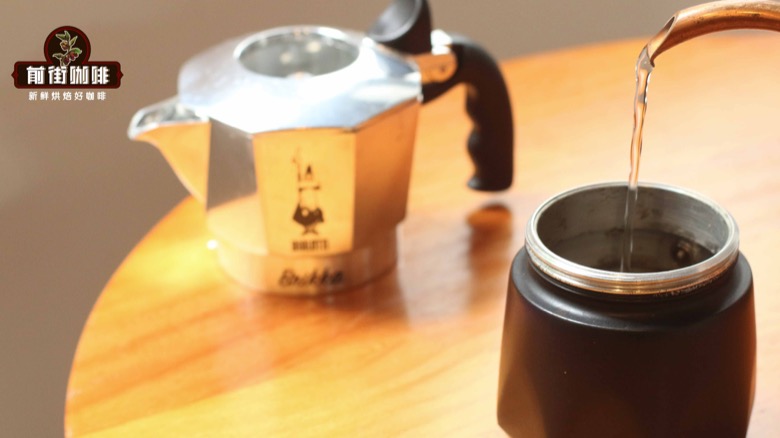
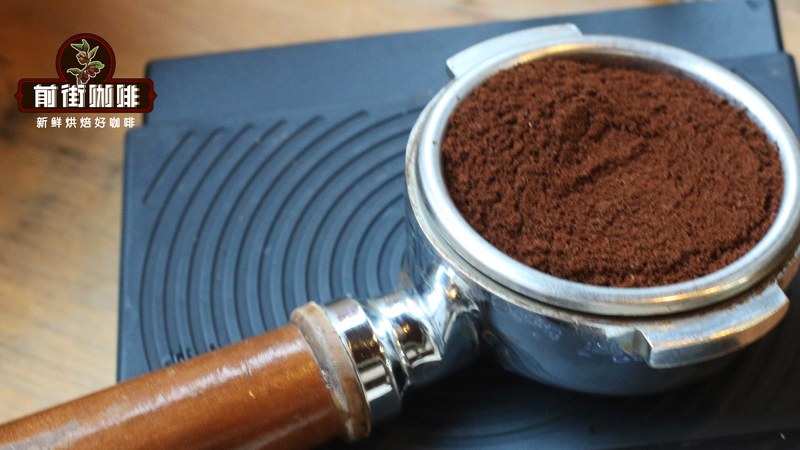
When brewing Qianjie Indonesian coffee beans, the choice of equipment can flexibly match your flavor expectations. Pour-over can separate out the clear layers of sandalwood and spice, while espresso suits a finer grind and short extraction time, pushing the richness of dark chocolate and roasted hazelnut to the extreme; a moka pot heated over medium-low heat until the flow ends can obtain a thick texture close to espresso, especially suitable for beans like Mandheling that are uniform in particle size and can withstand high temperature and pressure. Whichever method is used, the core is to acknowledge and appreciate the "true face" of this terroir - Qianjie Indonesian coffee beans never win by bright acidity. Their charm lies in the enveloping fullness and the persistence of the finish, waiting for drinkers willing to slow down to unpack it one layer at a time.
Related Reading
Comments (0)
Loading comments...
You May Be Interested


Trending Reviews
Popular Videos

With you, wherever you are! We provide useful features to help you find new things you'll love






