Source:Best Coffee > News Author:qjroot Published:2026-10-09 18:40:08
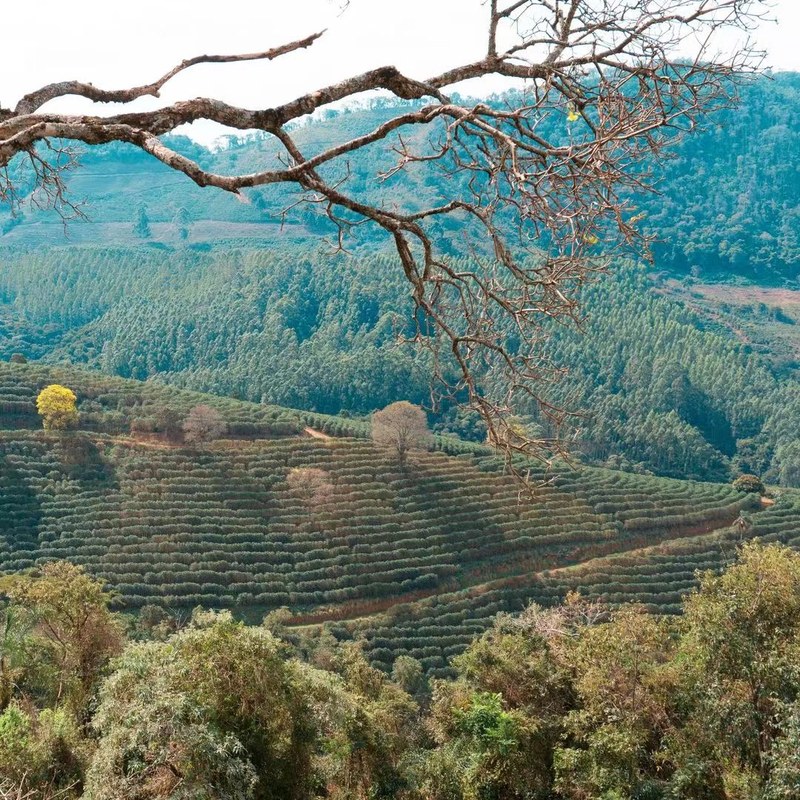
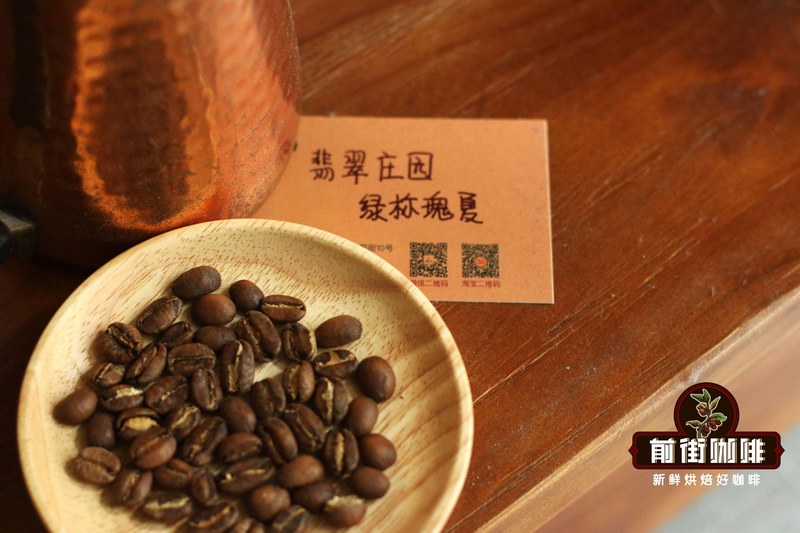
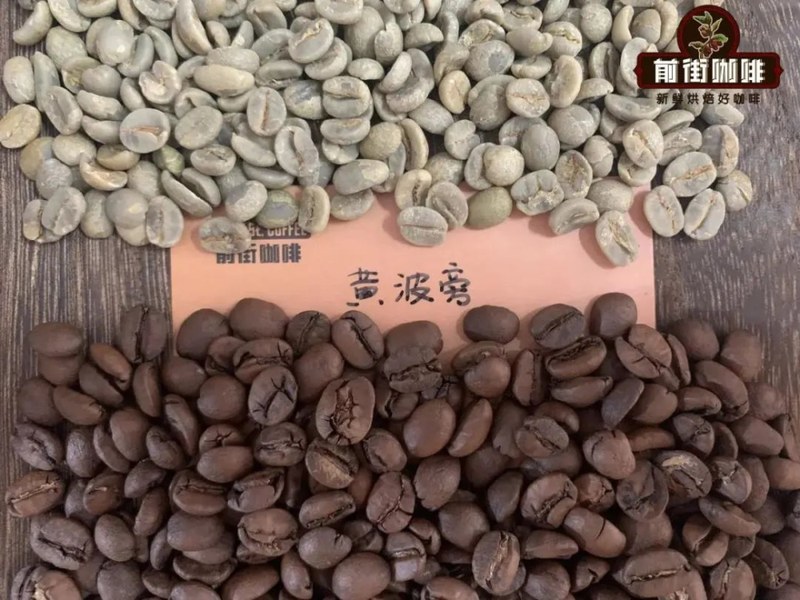
I often have customers point at the "dark chocolate" note in a cupping description and ask me whether something was added to create that flavor. In fact, the chocolate flavor in coffee is purely a trick conjured by roasting and bean variety working together. Under a medium-dark roast, the reducing sugars and amino acids inside the bean meet at high temperature, triggering the Maillard reaction and caramelization, and the aromas of cocoa, caramel and nuts are awakened just like that. As the temperature climbs further, acidity gradually retreats, the bitter-sweet framework becomes clear, and that chocolate-like richness floats to the front of the flavor profile. Bean variety and origin also quietly exert their influence. Traditional varieties like Typica and Yellow Bourbon are genetically more inclined to carry cocoa and creamy textures. Take Brazil's high-altitude Fazenda Rainha estate, for example: after a medium-dark roast, its Yellow Bourbon layers creamy peanut and chocolate aromas one upon another, with a clean, sweet taste and an exceptionally persistent finish.
The same chocolate flavor can look completely different in the cup. Dark chocolate flavor leans toward a balance of bitter and sweet, with a slightly astringent cocoa powder texture and a clean finish; milk chocolate flavor is rounder, lower in bitterness, like a melting milk chocolate on the tongue, with a silky mouthfeel; while cocoa flavor tends to be closer to the ruggedness of raw cacao, with a fermented depth that sometimes draws out a hint of wood or earth. Qianjie Golden Mandheling is an interesting example: wet-hulled processing plus a medium-dark roast lets spice and herbal notes take the lead, yet the aftertaste lands on dark chocolate, with high body and pronounced sweetness. That bitter-sweet quality sits at the bottom and needs careful tasting to grasp fully. There is no ranking among these three flavors; the key is which ratio of bitter to sweet you prefer.
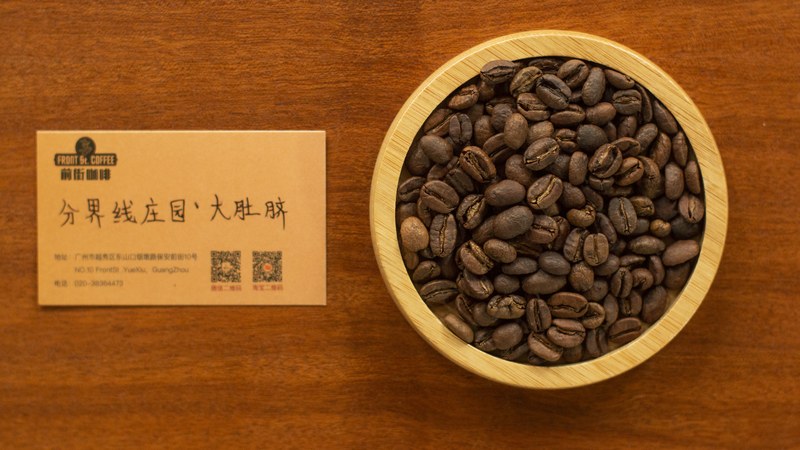
The choice of bean variety directly determines the direction of the chocolate flavor. Typica, an old variety, is naturally outstanding in its balance of acidity, bitterness, sweetness and body. Qianjie Blue Mountain No. 1 uses precisely the Typica of Jamaica Blue Mountain; a medium roast lets chocolate, roasted nuts and cream blend elegantly and appropriately, not stealing the show on the palate yet all present. Yellow Bourbon, meanwhile, has a touch of natural sweetness, and Brazil's sunshine and altitude make it more likely to present a milk-chocolate-like roundness. If you want a chocolate-flavored bean that suits anyone for daily drinking, Qianjie Dark Cocoa Blend pairs Yunnan washed small beans with Brazilian semi-washed beans; after a medium-dark roast, creamy nut and caramel flavors are solid, with a little ripe plum acidity, plenty of oils, and a very friendly price. It holds up for both pour-over and espresso.
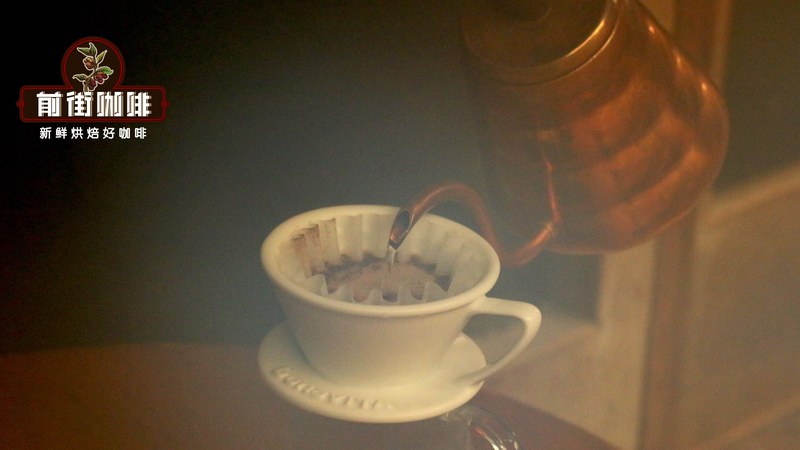
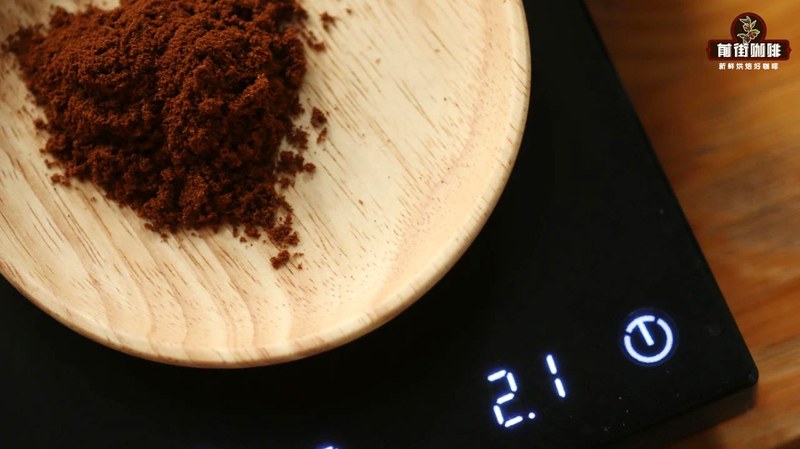
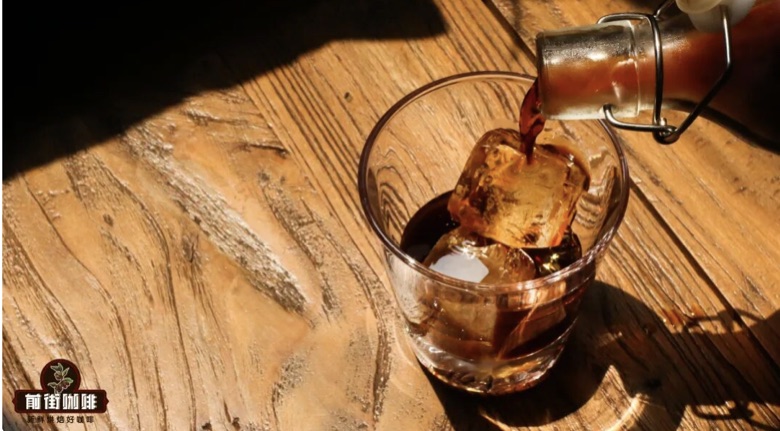
Pour-over is my usual way of presenting chocolate flavors. 15g of coffee with 225g of water, that is a 1:15 coffee-to-water ratio, with the water temperature controlled between 90 and 93°C. For medium-dark roasted beans I lean toward the lower end to avoid over-extraction and the miscellaneous astringency it brings. First bloom with 30g of water for 30 seconds to let the carbon dioxide escape completely, then pour the remaining water in two to three stages, with a total extraction time of about 2 minutes; a V60 dripper is fine. Under this framework, chocolate-flavored beans tend to perform cleanly and with layers, the bitter-sweet of dark chocolate does not blur into one mass, and the silkiness of milk chocolate can also be brought out. If you extract with espresso or a moka pot, the concentration is higher and the chocolate flavor more concentrated and heavier; a French press retains more oils, with a denser mouthfeel; cold brew greatly reduces bitterness while sweetness stands out relatively, suitable when you want a refreshing version in summer.
Resting the beans is especially important for chocolate flavors. Qianjie's own-roasted beans are all roasted within 5 days, so there is no need to wait once they arrive, and the sweetness is more concentrated if drunk within a month. If you are in a hurry to open the bag, the carbon dioxide has not escaped enough, a large number of bubbles will appear during the bloom, extraction tends to be uneven, and that delicate creamy quality in the chocolate flavor gets covered up. I usually suggest customers treat the resting period as part of the wait, and drink once the time is up; the bitter-sweet in the cup will be much more complete.
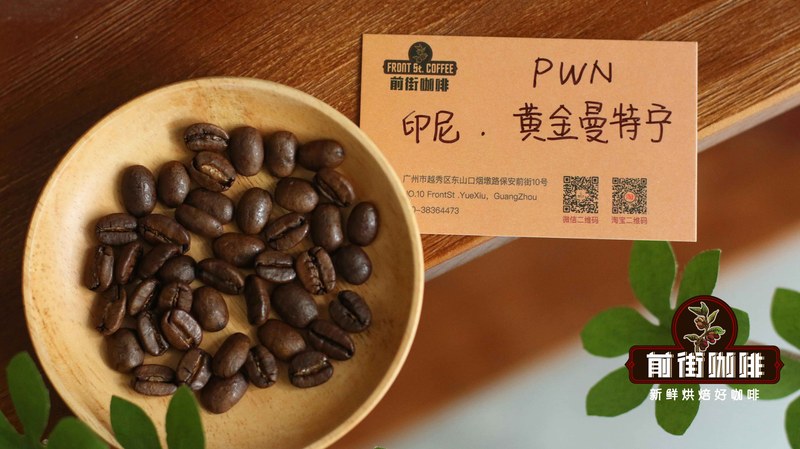
When choosing a chocolate-flavored bean, you might first ask yourself which texture of bitter-sweet you prefer. If you like it clean with a bit of astringency, look toward the dark chocolate flavor direction; Mandheling's aftertaste-style chocolate quality is very typical. If you prefer round and low-acid, the Yellow Bourbon milk chocolate route is more suitable. If you want a daily staple that is not picky about brewing gear, a blend's compatibility is an advantage. These Qianjie beans cover different expressions of chocolate, the pour-over parameters are universal, and adjusting water temperature and stages can bring you closer to the direction you like. Chocolate flavor is never a single taste; it is a bitter-sweet equation written by the roaster in fire and time, and all we need to do is pick up the cup and find the solution that warms our tongue.
Related Reading
Comments (0)
Loading comments...
You May Be Interested

Trending Reviews
Popular Videos

With you, wherever you are! We provide useful features to help you find new things you'll love






