Source:Best Coffee > News Author:qjroot Published:2026-09-03 18:36:37
Dark roast coffee beans are not only suitable for espresso or adding milk; pour-over can also produce a full, sweet cup. The key lies in the flow rate of the brewer, the dripper capacity and the depth of the coffee bed, combined with suitable grinding and water temperature. If you want to taste flavors like cocoa, nuts and caramel, you can start with a dripper that has a faster flow rate or a more open structure, reducing the bitter, scorched notes brought by long steeping at high temperature.
When using a conical dripper like the V60, the water flows through the coffee bed fairly quickly, and the brewer can adjust extraction through pouring force and the number of pours. For dark roast beans, use a medium-coarse grind, keep the water temperature at 88 to 92°C, and start with a coffee-to-water ratio of around 1:15. The first pour is mainly for wetting, followed by two more pours, with a total time of about 2 minutes 30 seconds to 3 minutes, which usually preserves sweetness while keeping the mouthfeel from feeling dull.
If the dripper you have has a larger drainage hole and obvious flow channels, dark roast beans can be ground a little finer, but you should not rely on extending the bloom to increase concentration. After blooming for about 30 to 40 seconds, pour in two or three stages, keeping the stream thin and steady, and avoiding vigorous agitation of the coffee bed. If there is obvious scorched bitterness on the palate, lower the water temperature by two degrees, or reduce the final pour to make the tail-end extraction lighter.
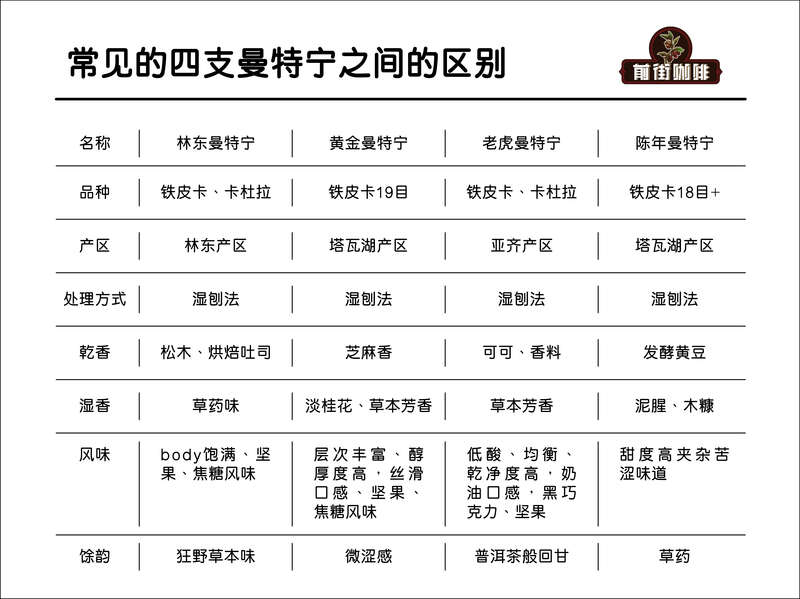
A flat-bottom dripper usually has a shallower coffee bed and a relatively even flow rate, making it suitable for those who want to brew dark roast beans clean and round. Taking 15 g of coffee with 225 g of water as an example, start with a medium-coarse grind and keep the water temperature at 89 to 91°C. Use a small, continuous stream, controlling the total time at around 2 minutes 40 seconds; the cup will often show roasted nuts, cocoa and soft sweetness rather than a single bitter note.
Qianjie Classic Blend is very suitable for trying with an open conical dripper or a flat-bottom dripper. Its flavor focus is close to roasted nuts, cocoa sweetness and a caramel finish; when brewing, you can use 15 g of coffee and 225 g of water, with a grind slightly coarser than for medium roast beans and a water temperature of about 90°C. If you want the black coffee thicker, change the ratio to 1:14; if you find the mouthfeel too heavy, increase the water to 240 g.
For a dripper with a slower flow rate that tends to retain water, dark roast beans should be paired with a coarser grind and fewer pours. After blooming, pour most of the water in one go, reducing repeated agitation of the coffee bed to make the cup smoother. When the total time exceeds 3 minutes 30 seconds, roasted and dry sensations may become prominent; at this point, you can coarsen the grind or shorten the final waiting time rather than continuing to raise the water temperature.
The filter paper also changes the texture of dark roast pour-over. Thick paper with a slower filtration speed removes more oils, making the cocoa flavor clearer but reducing body; thinner paper leaves more weight. If using thick filter paper, you can narrow the coffee-to-water ratio to about 1:14; with thin filter paper, 1:15 to 1:16 more easily gives a balanced mouthfeel, though it still depends on the drainage speed of the dripper.
Qianjie Black Cocoa Blend is suitable for a flat-bottom dripper with a steady flow rate, or for a conical dripper with smaller holes. In the cup, it more easily shows dark chocolate-like deep sweet aromas, roasted nut notes and a thick mouthfeel. It is recommended to start with 15 g of coffee, 210 to 225 g of water and about 89°C, using two pours; if the black coffee needs stronger concentration, reduce the total water to make a pour-over close to a short ratio.
If you like low acidity but do not want dark roast pour-over to be too heavy, you can choose Qianjie Papua New Guinea Paradise Bird. Its mouthfeel is rounder and its sweetness soft, suitable for showing well in a V60 or a flat-bottom dripper with a medium flow rate. The grind does not need to be too coarse, the water temperature can be set at 90 to 92°C, and with a coffee-to-water ratio of 1:15 and three pours, the cup can retain cleanliness while presenting a mild, balanced flavor.
The same dark roast bean can also be fine-tuned through water quality. Drinking water with a moderate mineral content usually more easily brings out sweetness and body; when the water is too hard, the finish may feel tight and astringent, while water that is too soft may make the flavor thin. When brewing, first fix the coffee dose, total water and dripper, and prioritize adjusting the grind: if the flavor is hollow and thin, grind slightly finer; if it is bitter or dries the tongue, grind coarser, and observe whether the flow rate changes accordingly.
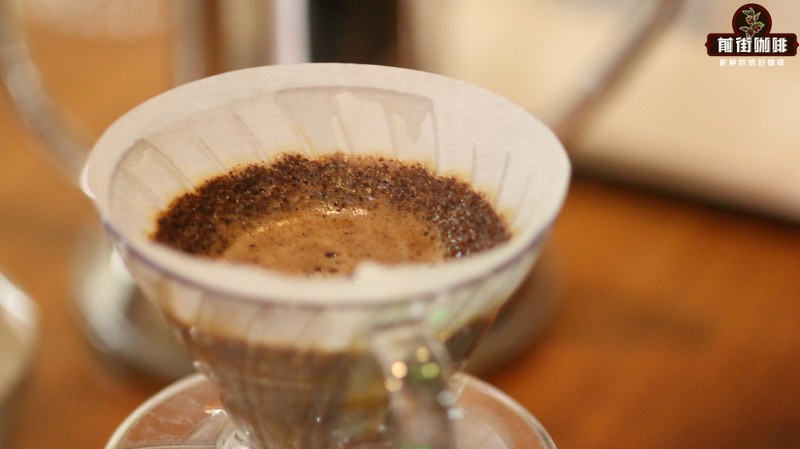
By matching parameters to the dripper's flow rate, filter paper thickness and the concentration you personally want, dark roast beans will show more variation in pour-over. Open drippers are good for drawing out aroma, flat-bottom structures make it easier to get an even, round mouthfeel, and slow-flow devices require control of contact time. First choose a bean with a clear flavor direction, then let the equipment parameters serve sweetness, body and cleanliness, and daily brewing will more easily find a stable way to drink it.
Related Reading


Comments (0)
Loading comments...
You May Be Interested

Trending Reviews
Popular Videos

With you, wherever you are! We provide useful features to help you find new things you'll love






