Source:Best Coffee > News Author:qjroot Published:2024-11-25 14:08:40
Whenever Qianjie chats with customers about Geisha coffee, everyone always thinks first of Geisha from the Panama region, and when Panama coffee is mentioned, some folks even assume by default that it means Geisha. There are clearly so many origins growing Geisha - besides Panama, there is also Costa Rica, Colombia, Guatemala... all producing Geisha of good quality. So why is Panama's Geisha still the most famous? If you're curious, come along with Qianjie to learn more about it~
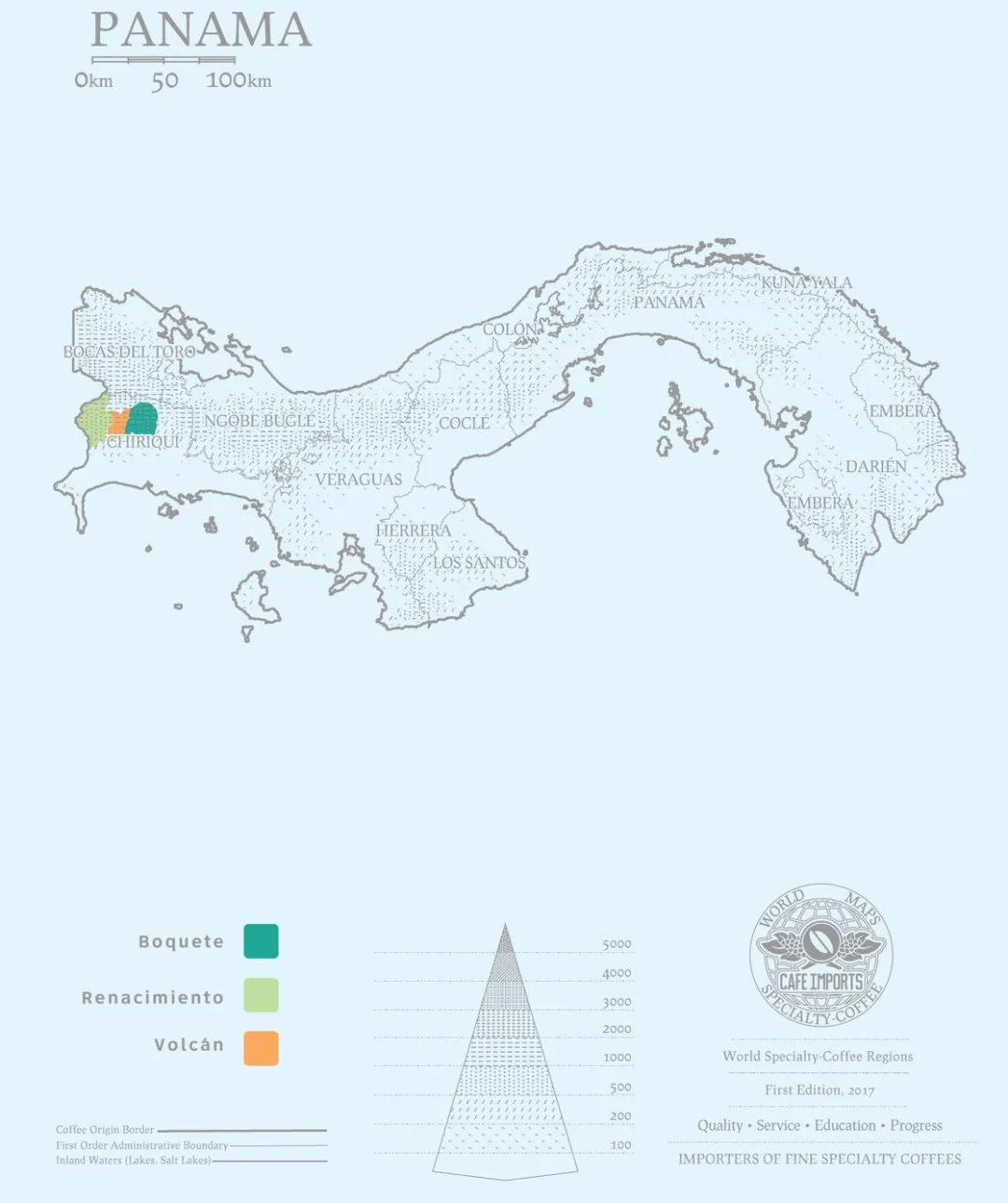
Panama is located in Central America, and its neighbors are also countries producing quality coffee - Costa Rica on the left and Colombia on the right. The local mountain range runs horizontally from east to west, and cold air flowing over the central mountain range gathers above 6500 m in altitude, giving the Boquete and Candela areas a unique microclimate, with comfortable temperatures and abundant rainfall, very suitable for all kinds of plants to grow.
Panama is divided into 10 provinces and 5 indigenous comarcas, while specialty coffee is mainly grown in the western province of Chiriqui, split into three major producing regions: Boquete, Volcan-Candela and Renacimiento. The Boquete and Volcan-Candela regions surround the country's famous Chiriqui Volcano (also known as Volcan Baru), while Renacimiento sits in the west of Chiriqui province, bordering Costa Rica.
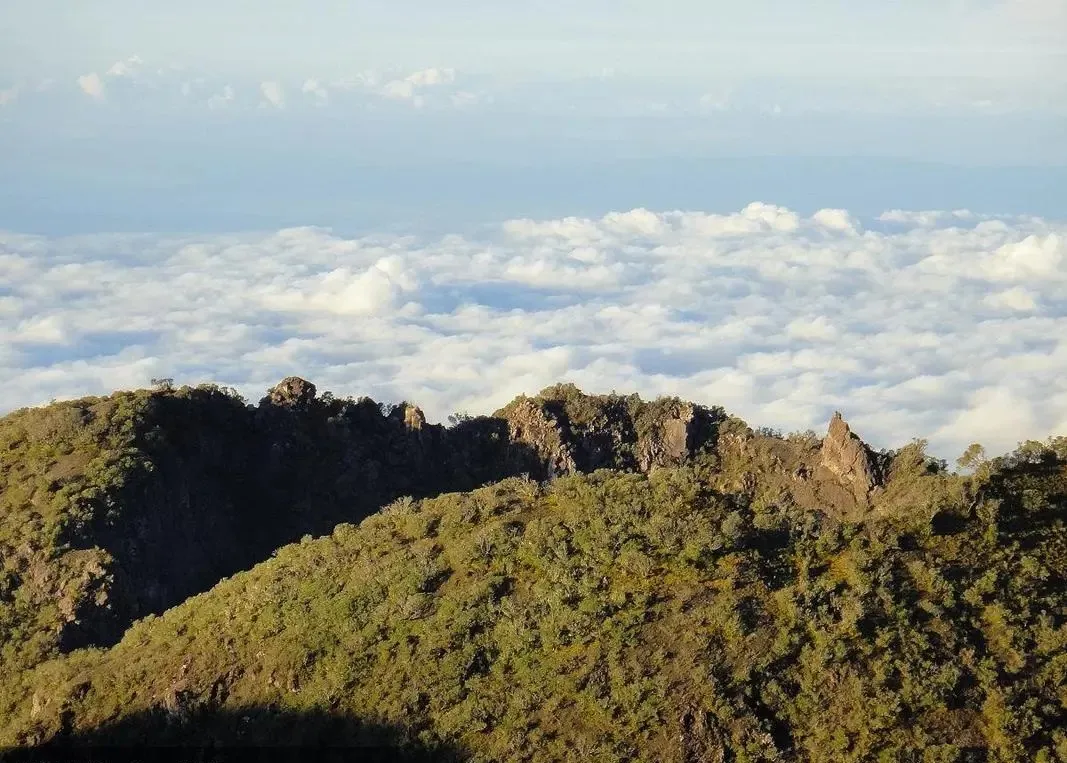
Friends who enjoy drinking Geisha coffee all know that Geisha coffee is most famous for its Panama origin, and the vast majority of specialty Geisha comes from Panama's Boquete producing region. Boquete is located in the north of Chiriqui, and its name comes from Boquete town. It sits among the mountains of Panama's central range, and there is also the very famous Chiriqui Volcano (Volcan Baru), whose highest peak reaches 3477 m, while the Caldera River runs through the whole town of Boquete.
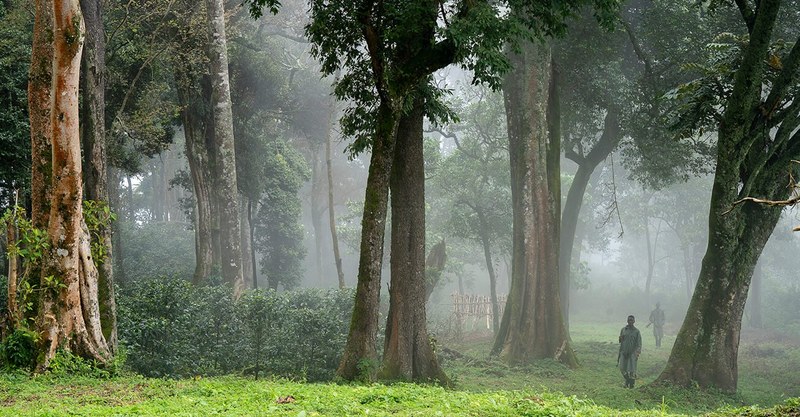
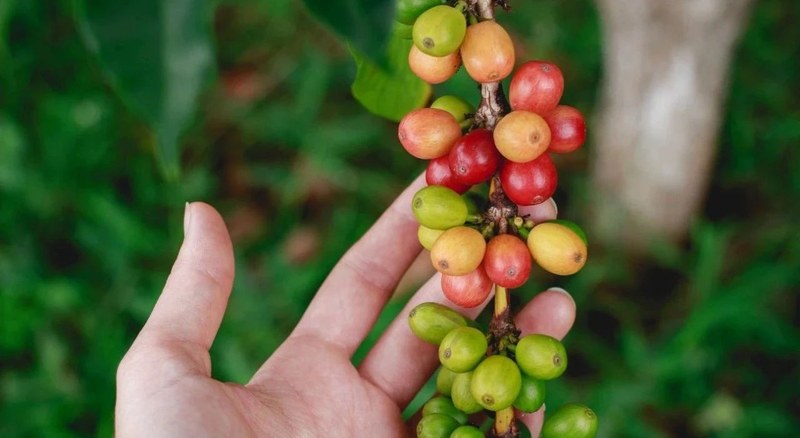
The climate here is mainly tropical. Influenced by the Caribbean Sea and the Pacific Ocean, the moist air currents from the two sea areas converge after passing over the central mountain range, forming a unique microclimate. Temperatures in the area range between 11°C-27°C, neither too cold nor too hot, while also featuring a large day-night temperature difference. The mountains within the Boquete producing region are often covered by clouds and mist, humid by day and cool at night, and together with the fertile soil brought by Volcan Baru, these are all favorable conditions for growing the high-quality Geisha coffee. In addition, the higher the altitude at which coffee trees are grown, the longer the fruit takes to ripen, the more nutrients it absorbs, and the richer and more distinctive the flavor expression - no wonder this place is praised as a "coffee promised land."
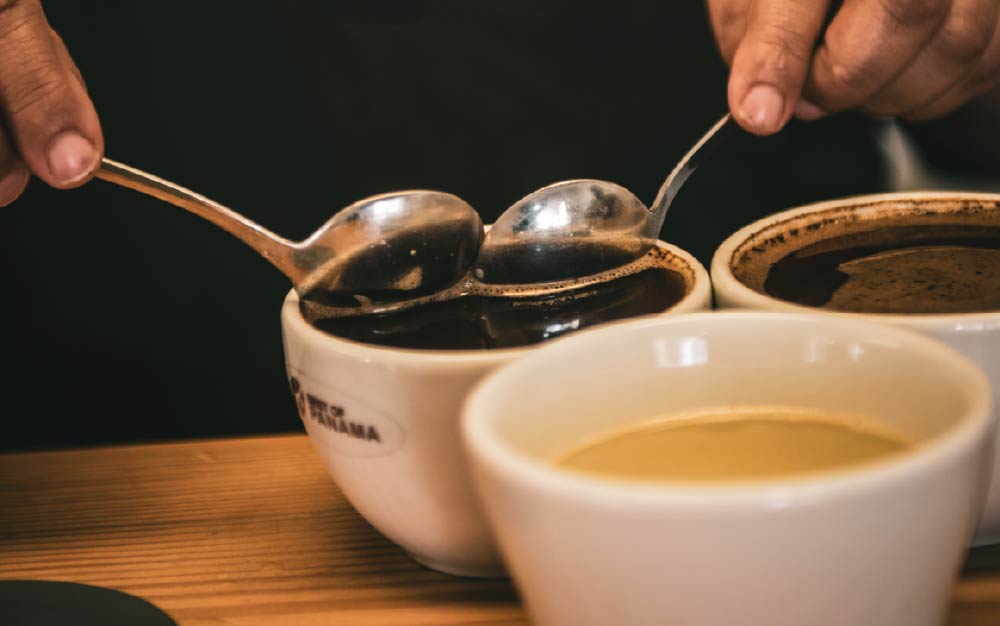
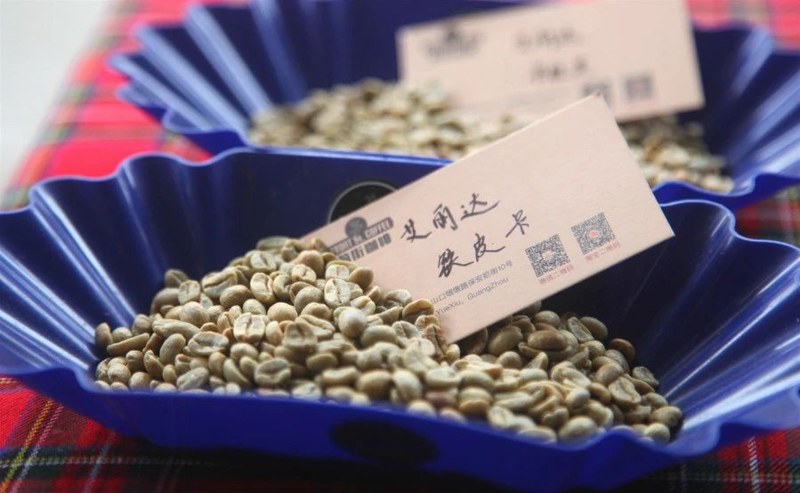
Thanks to the exceptional terroir here, the coffee absorbs all kinds of essences and transforms them into elegant floral and fruity notes and a layered, ever-changing acidity. Qianjie's Panama Hacienda La Esmeralda Geisha coffee and Elida Estate Geisha coffee both come from the Boquete producing region.
Speaking of Geisha, Hacienda La Esmeralda's reputation is known to everyone in the specialty coffee circle. In 2004 it won that year's Best of Panama coffee competition with its Geisha and has broken auction price records year after year, drawing the coffee world's attention ever since. Hacienda La Esmeralda made Geisha "famous," and was also the first coffee estate to strictly grade Geisha; every year the Geisha lots it produces attract industry attention. After Geisha won the championship title, the estate's owners, the Peterson siblings, managed the Geisha coffee trees on the farm in a more systematic way based on altitude, area and cupping performance.
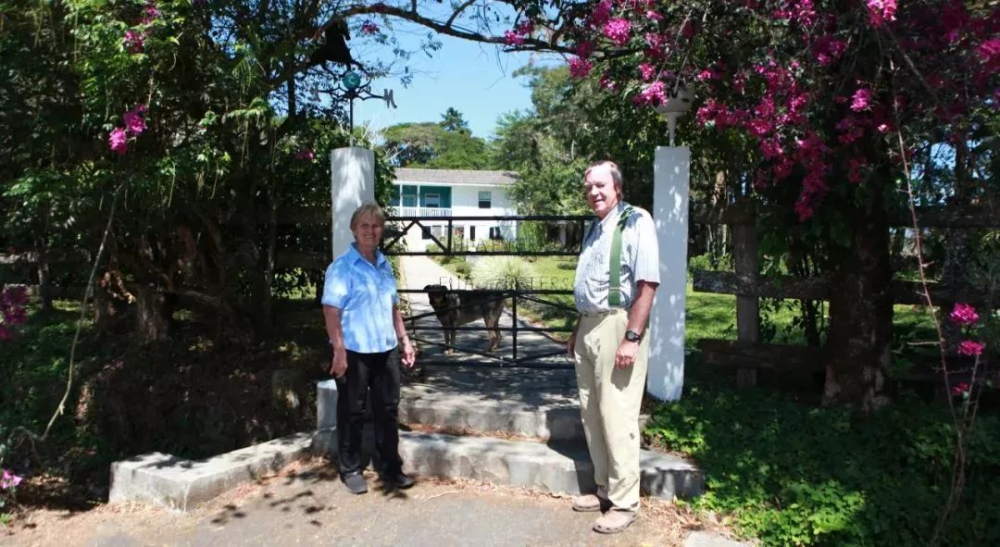
Because the United States helped Panama build the canal at the end of the 20th century, more and more Americans went to Panama to live and look for business opportunities. American elites like the owner of Hacienda La Esmeralda settled in Panama during that era. The predecessor of Hacienda La Esmeralda was the Palmira farm, purchased after his retirement in 1964 by American banker Rudolph A. Peterson, who initially ran mainly a dairy business; later his son resigned from his position as a doctor to help his father run it. In 1987 Caturra and Catuai varieties were introduced and planted, the farm was named Hacienda La Esmeralda, and in 1994 a wet-processing mill was set up and formal coffee production began.
In 1997, when the third-generation estate owner Daniel began joining the management of the estate, specialty coffee was also on the rise. Daniel learned to cup coffee beans and cupped the first harvest of Geisha in 2003, classifying the Geisha coffee trees by different altitudes. When the coffee was harvested again the following year, Daniel's family sent the Geisha coffee beans, which showed floral and fruity acidity in cupping, to compete in that year's Best of Panama, ultimately taking the championship with an outstanding score.
At present Hacienda La Esmeralda includes 4 farms growing coffee, of which Cañas Verdes, El Velo and Jaramillo - these 3 farms - all grow the Geisha variety, and each farm is further divided into different small plots.
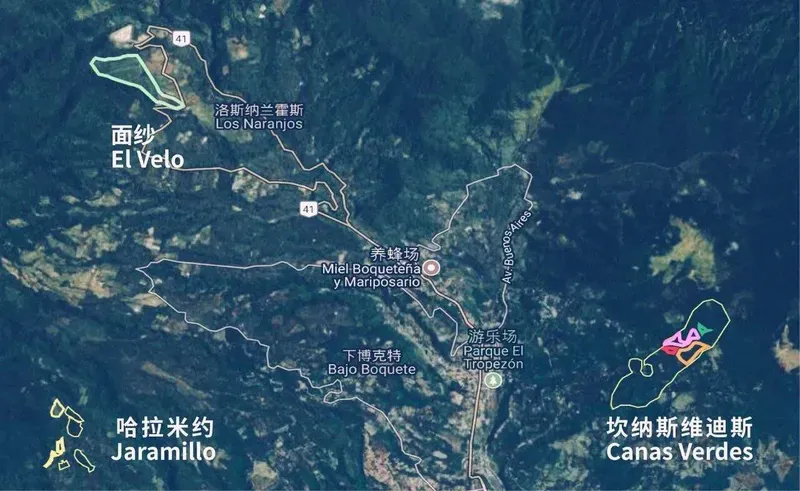
Hacienda La Esmeralda divides its Geisha into three brands: Esmeralda Auction, Esmeralda Special (red label) and Private Collection (green label). In addition, the Caturra and Catuai varieties grown on the farm are grouped under the Diamond Mountain brand.
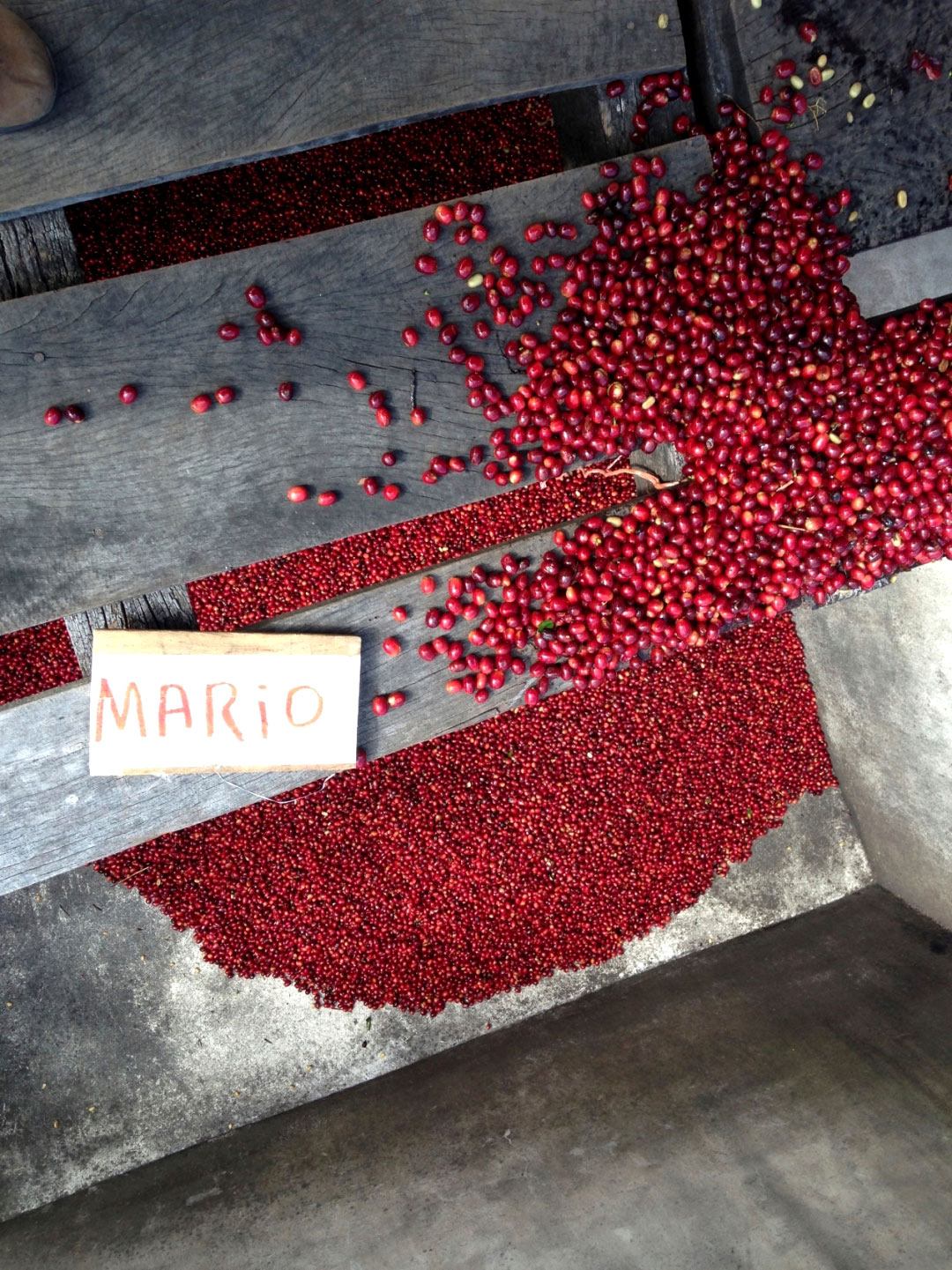
Jaramillo takes its name from the Jaramillo mountain range east of Boquete, with annual rainfall of 4000 ml, an average daytime temperature of 19-25°C and an average nighttime temperature of 11-15°C; the air throughout the area is humid and cold. Jaramillo as a whole is subdivided into 6 red-label plots, namely: Mario, Noria, Reina, Bosque, Buenos Aires, and Caballeriza, added last year.
Canas Verdes estate is usually transliterated in China as Cannasividis, while in Spanish it would be translated as "green reeds," "green fields," and so on. Half of Canas Verdes was purchased together with Jaramillo in 1967, and after Geisha rose to fame in 2004, the Peterson family began gradually buying up surrounding small parcels of planting land. Because the whole growing area sits on the hillside east of Volcan Baru, the altitude range is quite large, distributed from 1500 m to 2050 m.
Canas Verdes has an annual rainfall of 3500 ml, an average daytime temperature of 16-23°C and an average nighttime temperature of 10-15°C. The highly complex terrain structure, volcanic soil and pronounced day-night temperature difference give Geisha its richly aromatic character.At present, the area of Canas Verdes planted with Geisha includes 11 small plots in total: Lino, Coronado, Fundador, León, Montaña, Trapiche, Jacinta, Cabaña, Tumaco, as well as Nido and Colga.
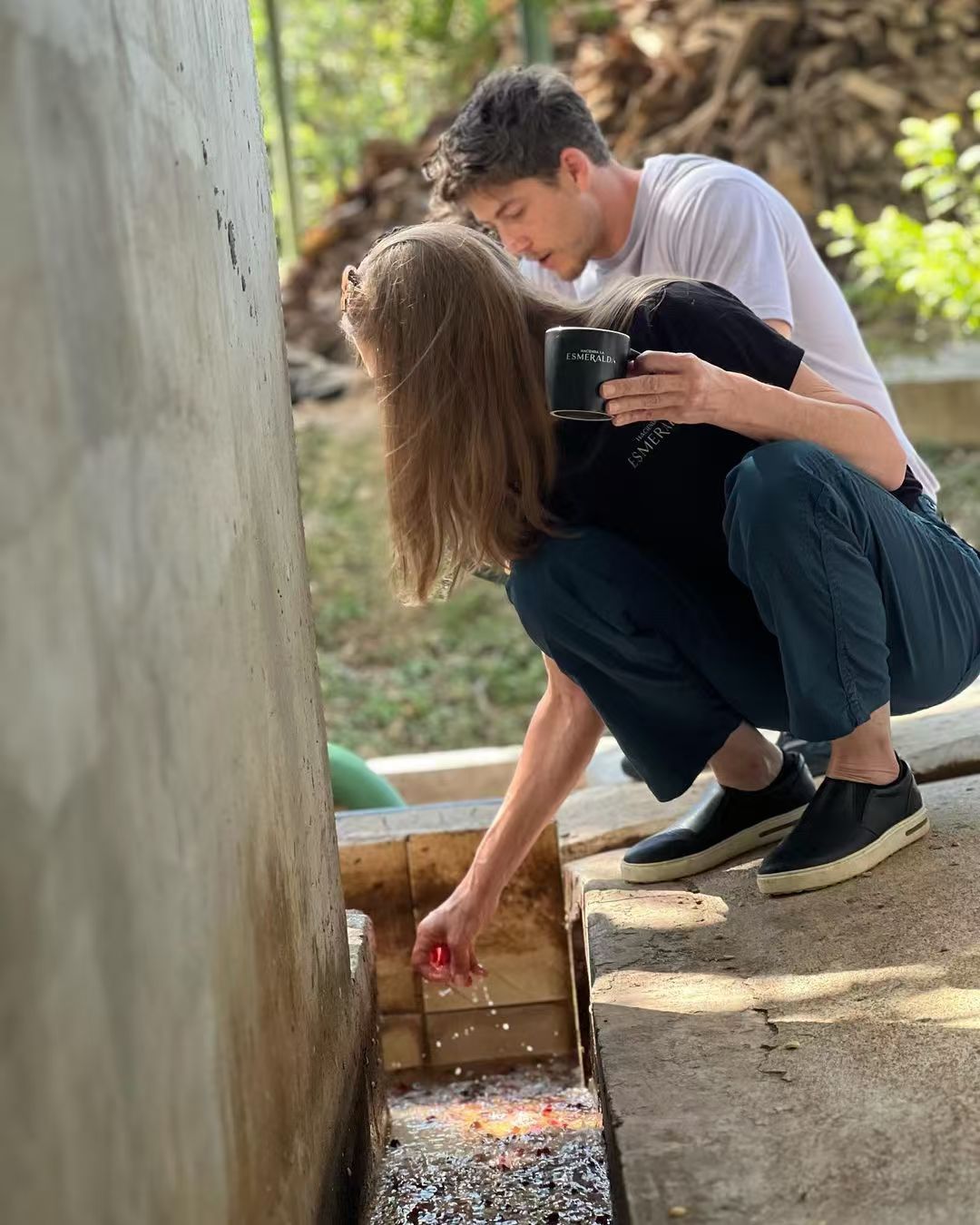
El Velo (The Veil) is the newest farm bought by Hacienda Esmeralda in 2012. It is the plot with the highest average altitude on the estate and the only area that has been carefully levelled. Besides mainly producing Geisha, El Velo also grows more than 400 coffee varieties purchased from CATIE, including Laurina (Bourbon Pointu), Pacamara, Mocha and SL28, for long-term development and exploration.
Compared with the other 2 plantations, El Velo's altitude extends up the mountain from 1650-1900 m, with an average annual rainfall of 4000 ml, an average daytime temperature of 16-25°C and an average nighttime temperature of 11-16°C.The whole area covers 50.25 hectares of coffee-growing land, of which Geisha covers 37.9 hectares, divided into 7 detailed plots: Guabo (Handsome), Portón (Gate), Durazno (Peach), Mural (Mural), (Fig), Buena Vista (Buena Vista), Aguila (Eagle).
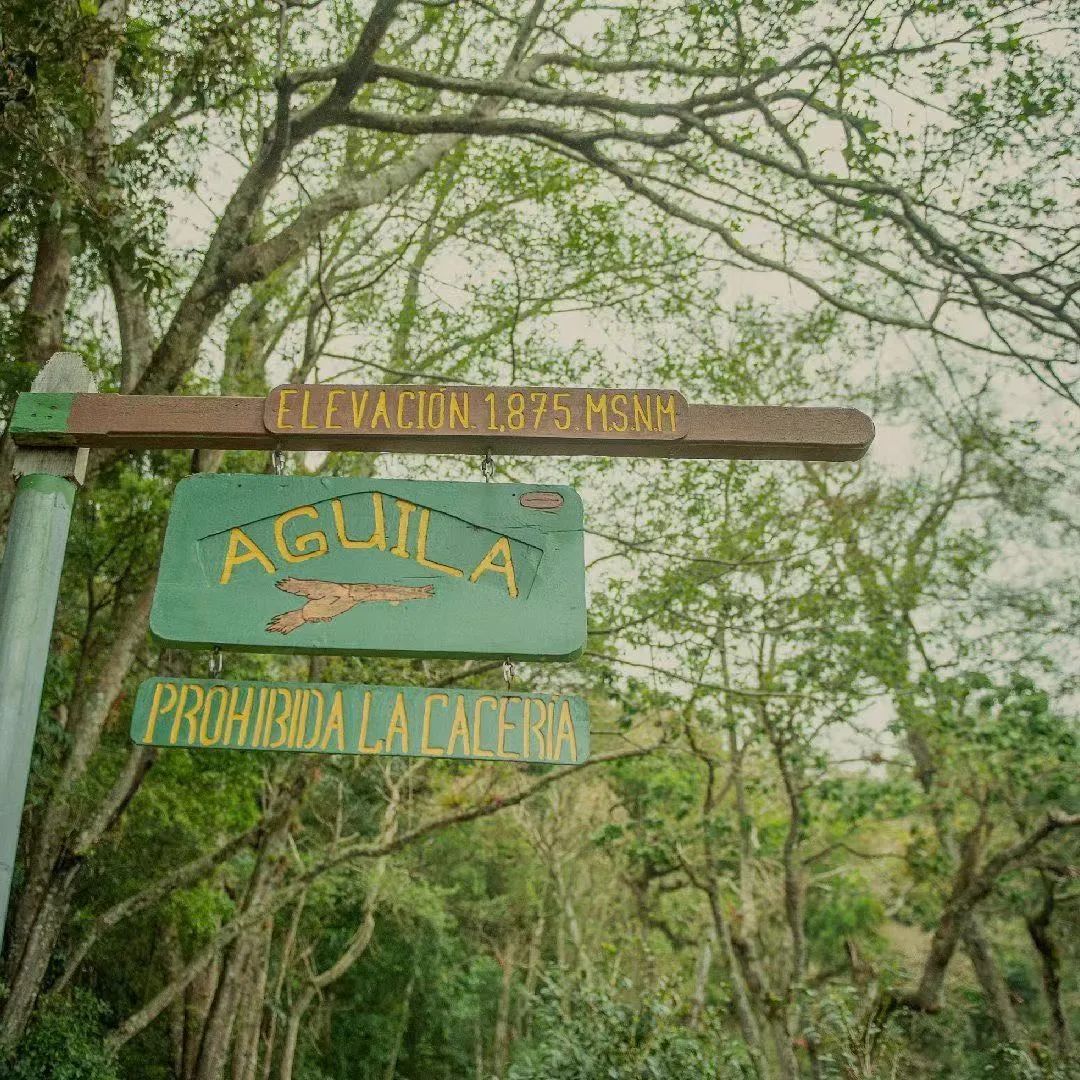
As for the Palmira farm at the lowest altitude, it mainly grows Catuai; the whole plantation covers about 30 hectares and was the first farm purchased by the Peterson family. It serves not only as the internal office area of Esmeralda, but also houses the processing plant that handles all green beans.
Hacienda Esmeralda Geisha Two Major Grades
Under the management of the two Peterson siblings, Hacienda Esmeralda's Geisha is divided into 4 major brands sold on the global market, distinguished by cupping performance, harvest and processing time, processing method, variety, altitude and plot area.
Esmeralda Special
Esmeralda Special, commonly known as Red Label, is the representative of Hacienda Esmeralda's top Geisha outside the auction lots. The Geisha in this category is grown at altitudes above 1600 m and scores no less than 91 points in cupping. Each micro-lot has very detailed traceability information, including plot, altitude, latitude and longitude, tree age, harvest time, processing method and so on.
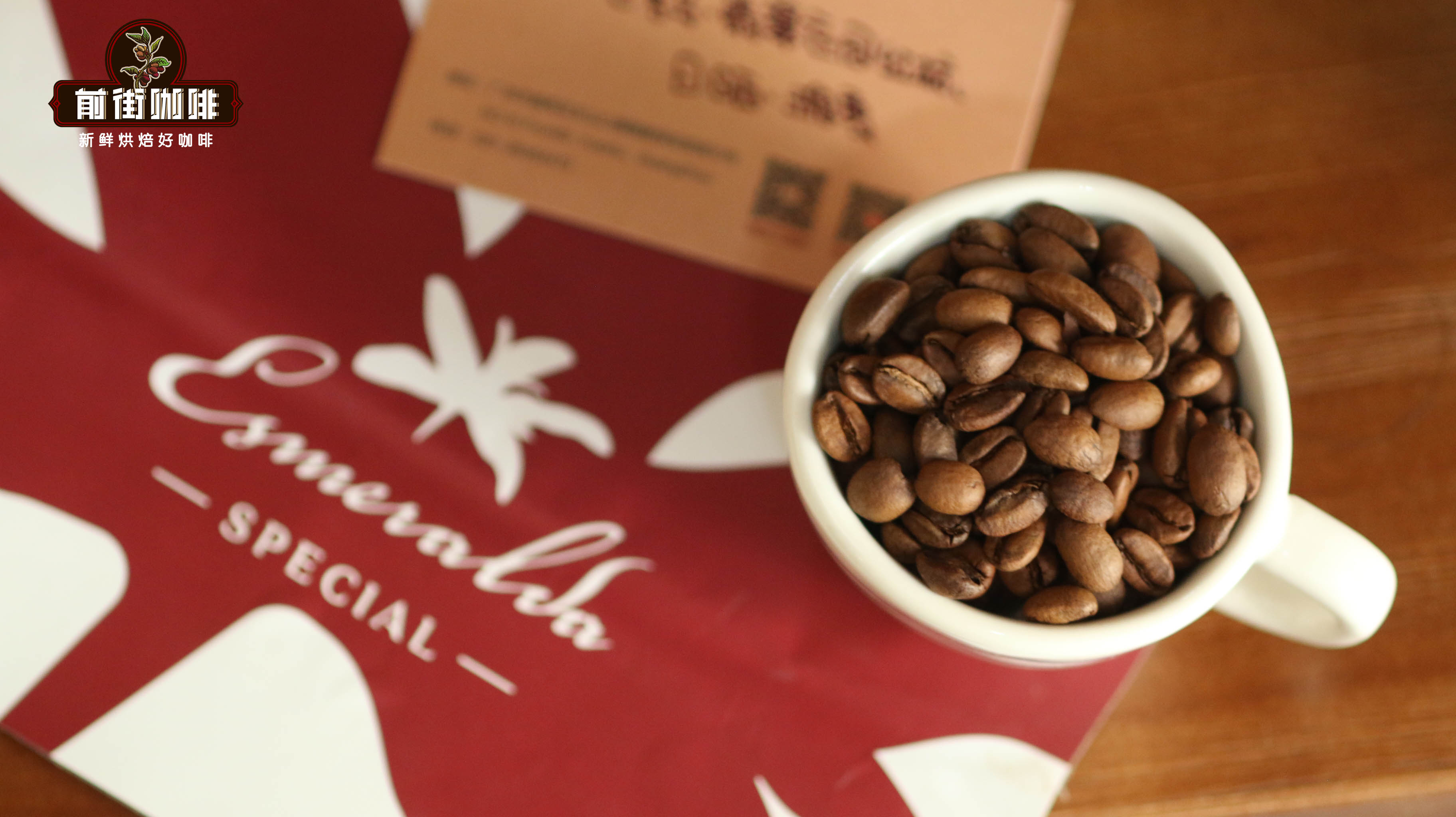
For example, the Esmeralda Red Label lot newly acquired by Qianjie is selected from the Sugarcane plot; the fruit was harvested on February 13 this year and underwent 25 days of slow natural drying, bringing the coffee a rich aroma reminiscent of jasmine, cranberry, passion fruit, citrus and cinnamon.
Private Collection
Private Collection, commonly known as Green Label, was once a Geisha lot of excellent quality that did not take part in the auction. Green Label is harvested from a blend of Geisha from different plots within the two main estates at altitudes of 1600-1800 m, and with its classic orange aroma and honeyed charm it has become the priority choice of many Geisha fans who are "short on cash." And starting in 2022, Hacienda Esmeralda began to indicate which sub-farm this grade of Geisha comes from.
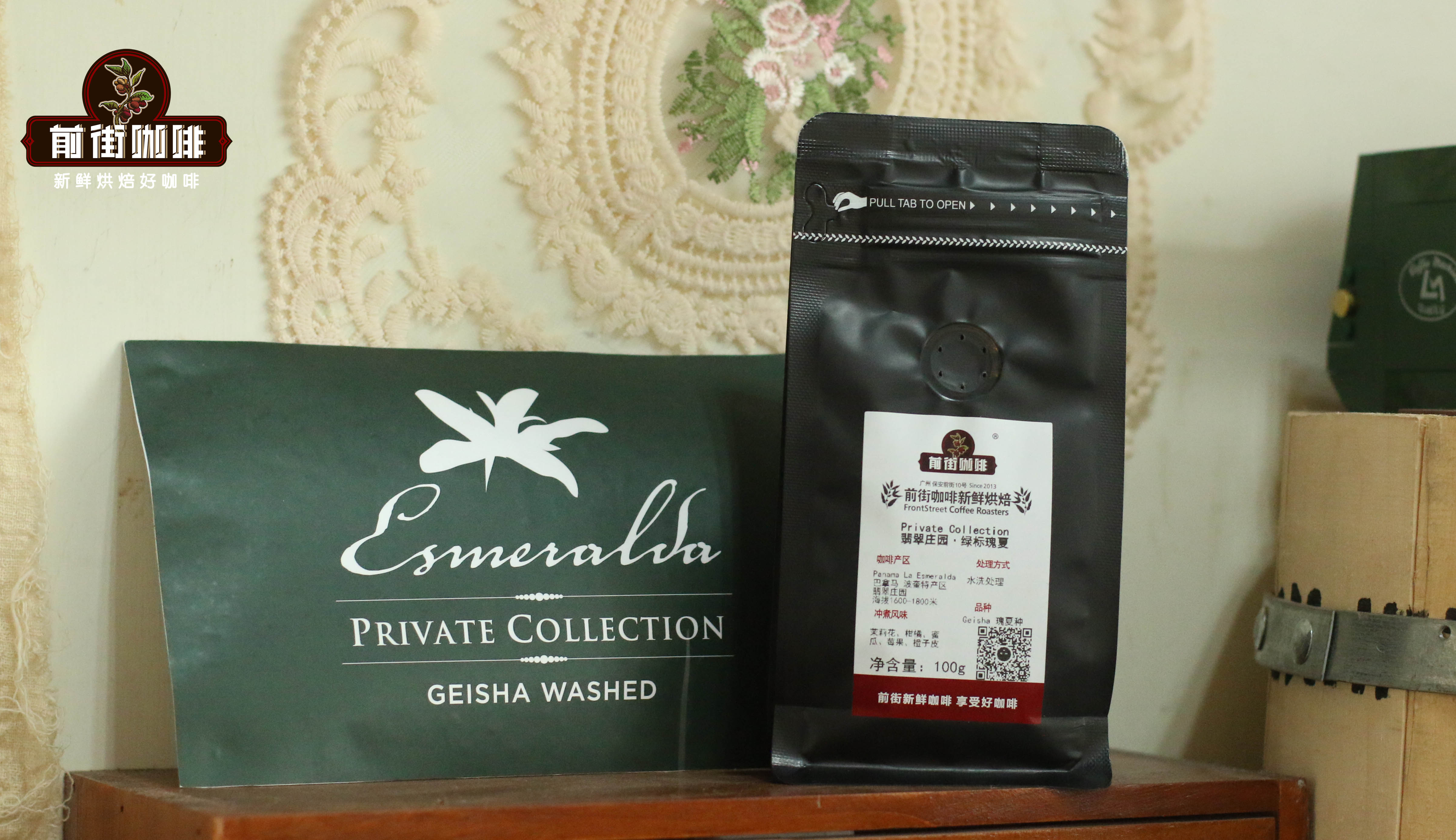
Although Green Label Geisha is not as high a grade as Red Label, it mainly expresses the signature classic flavor of high-altitude Geisha. The Green Label Geisha acquired by Qianjie is washed, and its cupping profile shows fresher, more natural flavors of lemon, berries, pomelo and Tieguanyin tea.
Related Reading
Comments (0)
Loading comments...
You May Be Interested

Trending Reviews
Popular Videos

With you, wherever you are! We provide useful features to help you find new things you'll love






