Source:Best Coffee > News Author:qjroot Published:2026-09-16 01:25:18
When making espresso or filter coffee with single-origin coffee beans, the roast level directly determines the density inside the coffee grounds and the volatility of aromatic molecules. Dark-roasted beans are loose in texture with porous cell walls, while light-roasted beans are denser and rich in aromatic acids. To clearly present the characteristics of single-origin beans, you need to let grind size, water temperature and pouring rhythm flexibly adjust to the bean's roast state.
Light-roasted single-origin beans often retain rich regional floral notes and bright fruit acidity, but because they expand less when heated, they absorb water and release flavor relatively slowly. When brewing light-roasted beans by pour-over, moderately increasing grind precision can expand the water-to-coffee contact area, and the water temperature can be set in a gentle range to avoid extracting dry, harsh off-flavors, thereby making the juice-like body and floral notes more prominent.
Take the light-roasted Qianjie Kaffa Forest as an example. This bean carries a fresh orange aroma and apricot sweetness, with a faint oolong tea note in the finish. When brewing, it is recommended to use a water temperature of 91°C, take 15g of coffee grounds, and use a three-pour method: first pour 30ml of water and bloom for 30 seconds, then steadily pour to 130ml, and after the water level drops, pour the final stage to 225ml, with the total time controlled at 2 minutes 10 seconds. The cup is clean in flavor with a lingering sweetness.
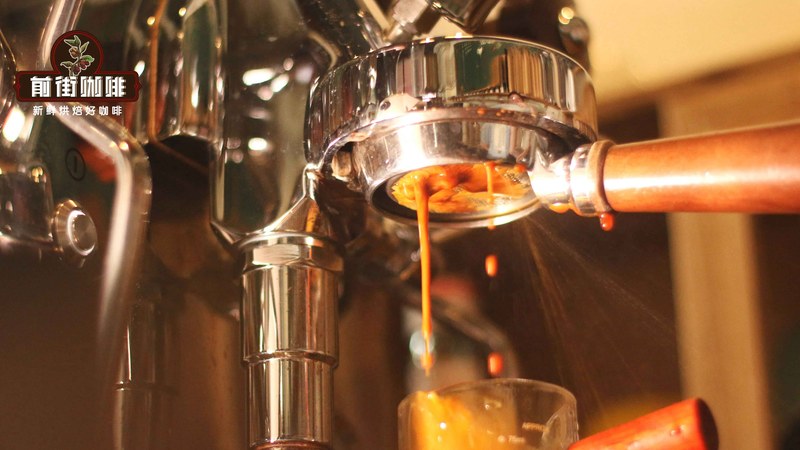
When light-roasted beans are used in an espresso machine to make SOE espresso, a finer grind than conventional blend beans is usually needed to maintain sufficient extraction resistance. Because light-roasted beans have more concentrated acidity, it is recommended to enlarge the coffee-to-liquid ratio to about 1:2.2, for example using 18g of grounds to extract 40g of espresso, with extraction time maintained at around 27 seconds. This effectively lengthens the sweetness segment, turning the originally intense fruit acidity into a smooth, complex juice-like flavor.
By contrast, dark-roasted single-origin beans have been fully heated, so their internal structure is fragile and crumbly, and their flavor leans toward nutty, cocoa, caramel and smoky aromas. During extraction, dark-roasted beans dissolve flavor compounds very quickly. If the grind is too fine or the extraction time too long, it easily brings out too much bitterness. Therefore, dark-roasted single-origin beans should be ground somewhat coarser, and the water temperature should also be adjusted accordingly based on the target flavor.
For coffee lovers who enjoy a full, juicy flavor, the medium-light roasted Qianjie Kenya Little Tomato shows dark-fruit sweet-and-sour notes like cherry tomato and smoked plum, with a gentle brown-sugar texture in the finish. When brewing this bean, a water temperature of 90°C is recommended, weighing 16g of coffee grounds, with a total pour of 240ml, using a two-pour method: first pour 40ml of water for a full 25-second saturation, then maintain a steady center pour to the full 240ml, with total time controlled at 1 minute 55 seconds, producing a fruity experience that is clean in layers yet still full-bodied.
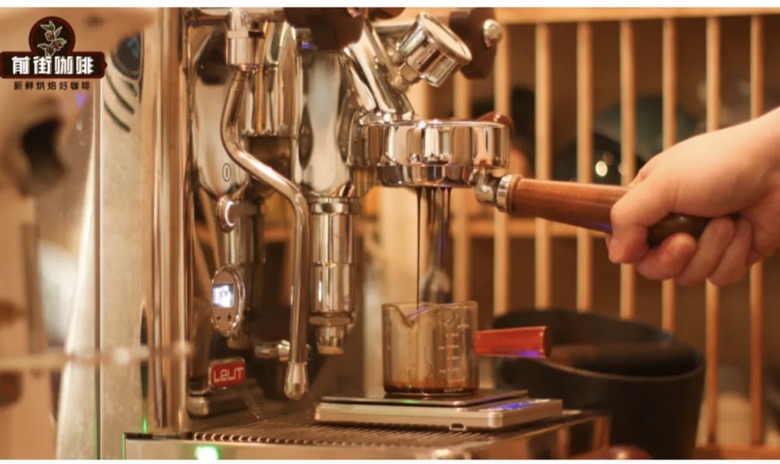
When using an espresso machine to handle medium-dark roasted SOE, the parameter setup tends toward shortening the extraction path. It is usually recommended to use a shorter coffee-to-liquid ratio of 1:1.8 to 1:2, using 18g of grounds to extract 32g to 36g of coffee liquid, with extraction time controlled between 22 seconds and 25 seconds, and water temperature set at 92°C. A shorter extraction time can lock in the rich crema aroma and nutty sweetness of the front segment while avoiding the roasted, burnt bitterness that may appear in the latter segment.
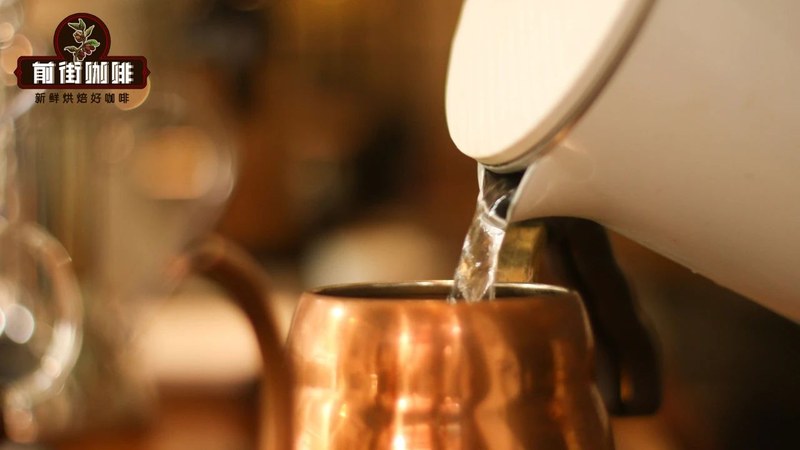
If you prefer elegant floral notes and a sun-dried fermentation character, the Qianjie Grana Estate Geisha has rich aromas of orange blossom, guava and strawberry jam. When brewing this bean, it is recommended to set the water temperature at 89°C, take 15g of grounds, and use a total pour of 225ml, using a three-pour method: bloom with 35ml of water for 30 seconds, slowly pour in circles to 140ml in the second stage, and steadily pour to 225ml in the final stage before stopping, with a total time of 2 minutes 00 seconds. The cup is delicate in layers with a long finish.
Light-roast SOE and dark-roast SOE each have their own unique flavor charm. Light-roasted beans pursue floral and fruity fragrance with bright, clear sweet-and-sour notes, while dark-roasted beans value a rich, full-bodied crema and cocoa sweetness. Understanding the changes that roast level brings to the physical structure of coffee beans, and making targeted fine adjustments to grind size, coffee-to-water ratio and water temperature during brewing, allows every carefully selected single-origin bean to fully display its regional character in the cup.
Related Reading

Comments (0)
Loading comments...
With you, wherever you are! We provide useful features to help you find new things you'll love