Source:Best Coffee > News Author:qjroot Published:2025-04-27 12:17:26
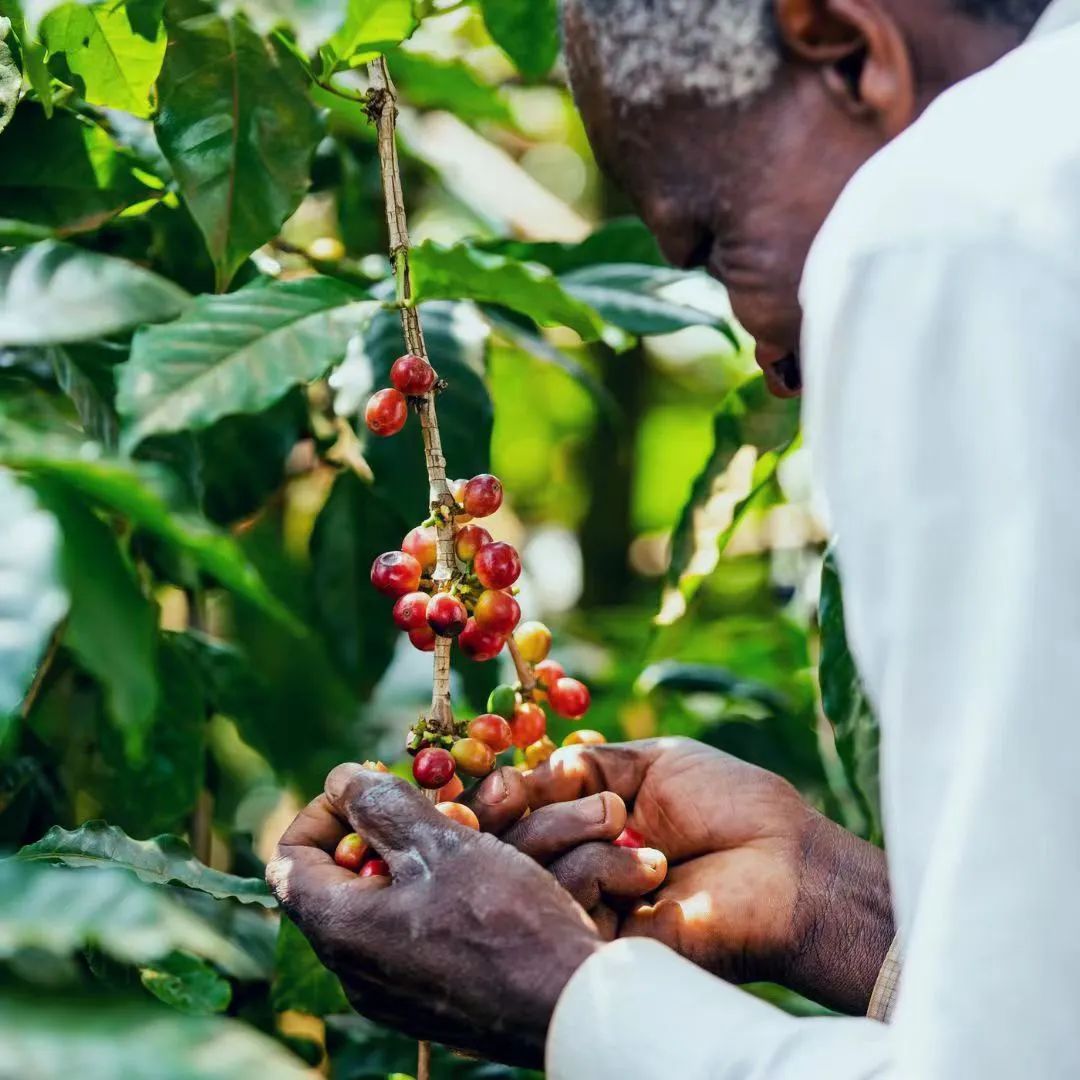
In Africa, the most well-known are the three coffee giants here, referring to Ethiopia, Kenya and Tanzania. These three countries occupy an important position in African coffee production, each with its own unique flavors. However, on the market, the coffees of Ethiopia and Kenya are more well-known and common, so what characteristics does Tanzania have?
Tanzania, like Ethiopia and Kenya, is an East African country, and all of them possess climates and geographical environments very suitable for coffee cultivation, producing high-quality coffee. The quality of Tanzanian coffee was recognized by Europeans very early on, and Tanzanian coffee was given the title of "coffee gentleman."
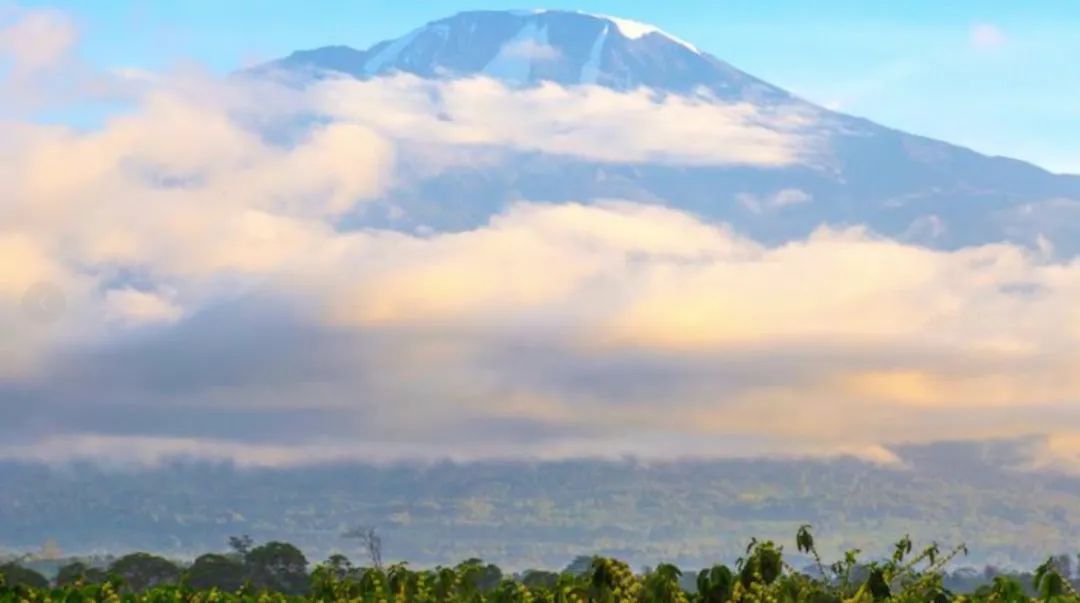
When mentioning Tanzanian coffee, many people think of the country's well-known Kilimanjaro coffee. Mount Kilimanjaro is located in the northeast of the country and is the highest volcanic mountain range on the African continent, with snow on the summit year-round, and it is also Tanzania's largest coffee-producing region.
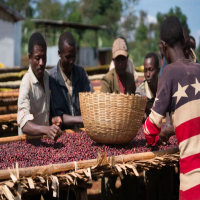
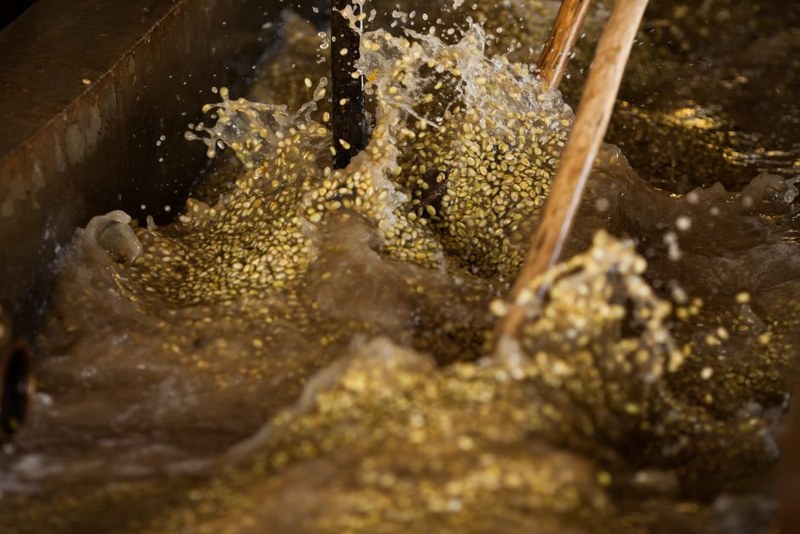
As early as 1893, coffee cultivation began in the Kilimanjaro region. Local coffee is grown at altitudes of 1050-2500 m. The sufficiently high altitude, fertile soil brought by volcanic ash, and pure snowmelt water resources give the coffee trees a good growing environment. At the southern foot of Kilimanjaro is the region's capital city, Moshi, which is Tanzania's largest coffee trading and processing center. When the harvest season comes, after coffee farmers pick the cherries, they are transported to processing stations at the foot of the mountain for processing and export.
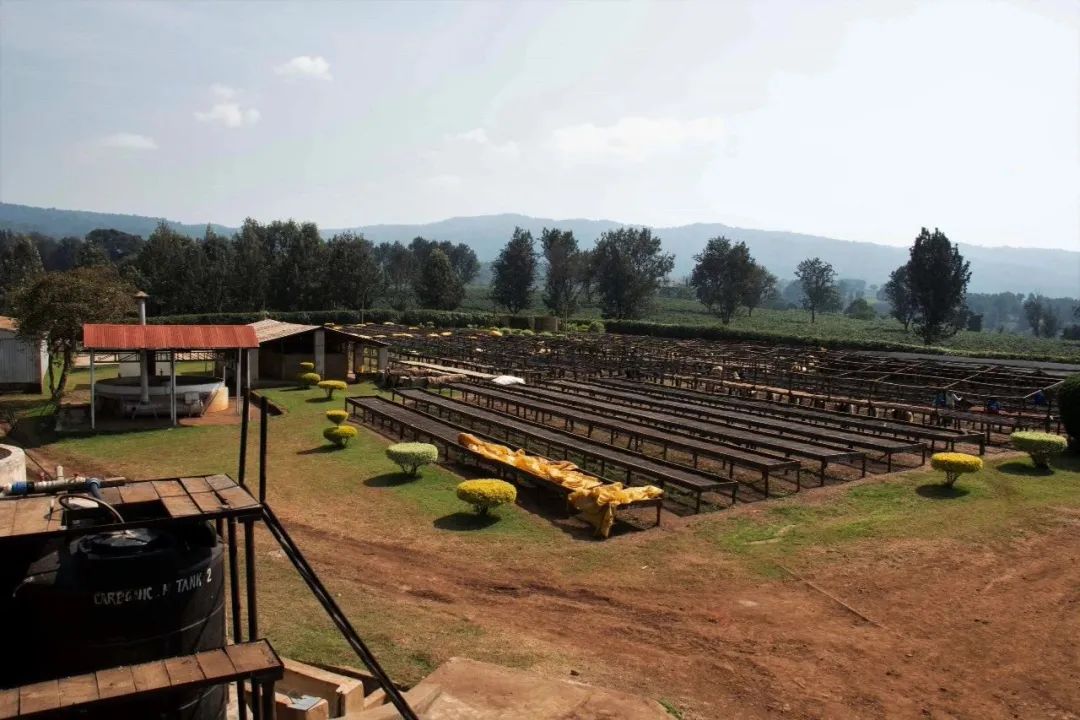
In the past, while Tanzania was still colonized, the coffee industry was dominated by estate cultivation. Later, after Tanzania became independent, in order to promote coffee cultivation, the land was divided into small plots and distributed to smallholder farmers. Therefore, now more than 90% is produced by smallholder farmers, and only 10% comes from larger estates. Smallholder farmers form cooperatives, among which the one with an important position locally is the Kilimanjaro Cooperative Union (KNCU), which is mainly responsible for controlling the quality of the coffee produced.
At present in Tanzania, both Arabica and Robusta coffee varieties are grown. Thanks to the high yield of the Robusta variety, Tanzania has become the third-largest coffee-producing country in Africa, second only to Ethiopia and Uganda, with an annual output of nearly 90,000 tons.
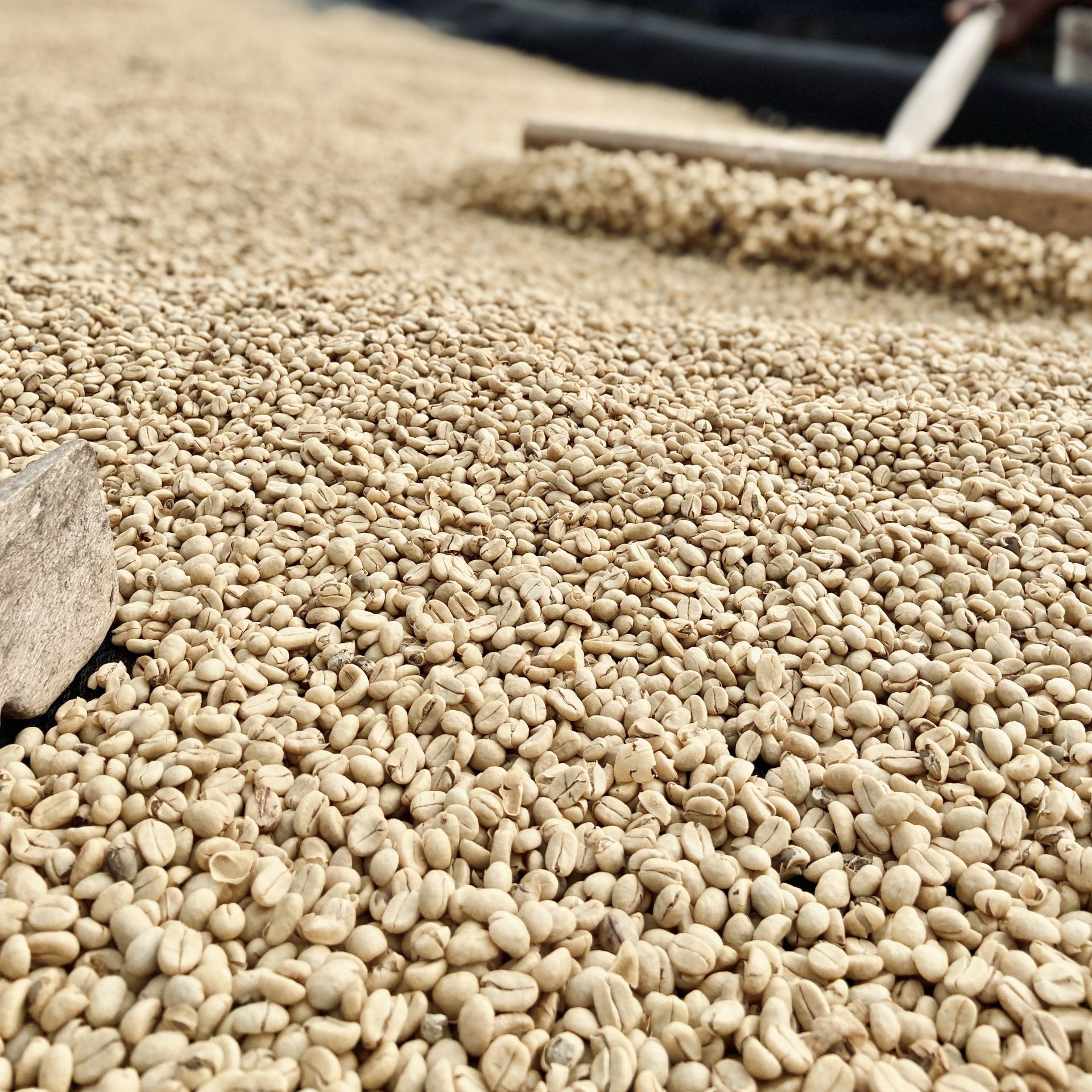
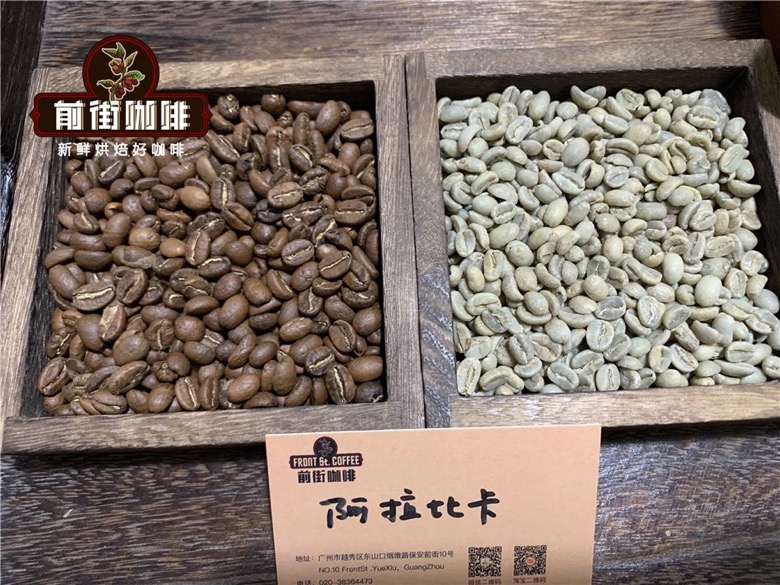
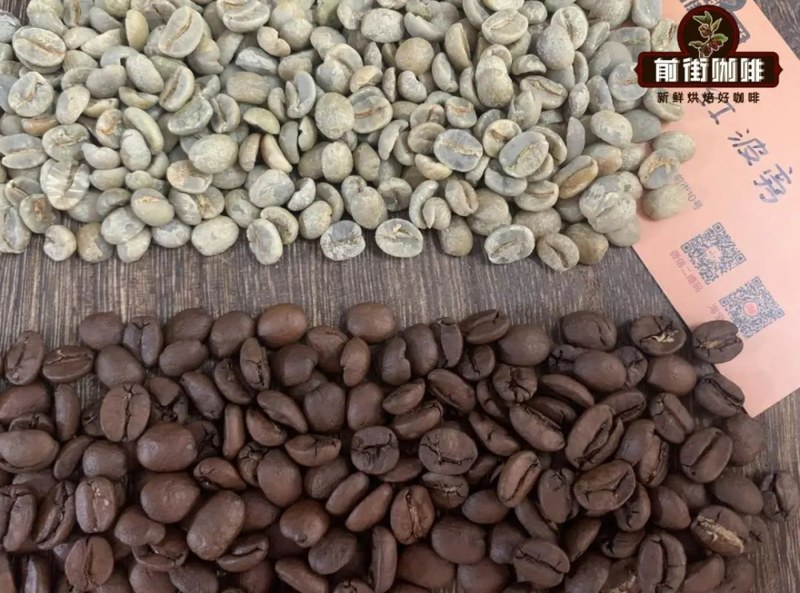
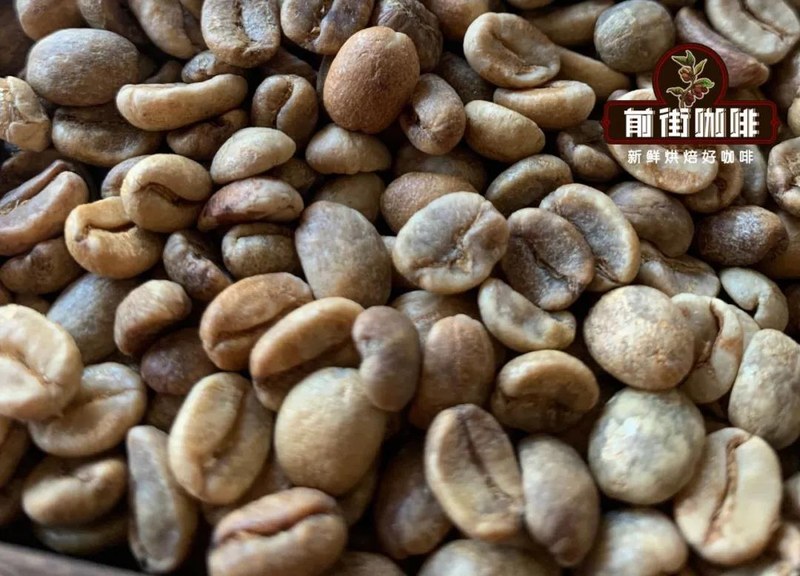
The Arabica varieties grown in Tanzania are mainly Bourbon, Typica and Kent. Currently at FrontStreet Coffee, there is a coffee from Kilimanjaro, made with the Typica variety and using washed processing. After brewing, it has a gentle acidity, with flavors of citrus, berries, honey and nuts, a soft mouthfeel leaning toward tea-like, and overall balance.

Tanzania, together with Ethiopia and Kenya, is known as one of Africa's three coffee giants, with superior quality. However, compared with Kenyan and Ethiopian coffee, Tanzanian coffee has a little less bright acidity and a softer, gentler mouthfeel, but has more sweet aroma and a red-wine-like texture.
Related Reading




Comments (0)
Loading comments...
You May Be Interested



Trending Reviews
Popular Videos

With you, wherever you are! We provide useful features to help you find new things you'll love






