Source:Best Coffee > News Author:qjroot Published:2026-10-09 19:55:17
I have been making coffee at the bar for eight years, and the first time a customer asked me "do you have any beans with a cherry tomato flavor", I was caught completely off guard. Only later did I understand that what they were looking for was that familiar yet subtle savory note - not the thick sweetness of ketchup, but the complexity of biting into a green cherry tomato, the skin bursting and the juice mingling with the fresh green scent of stems and leaves. Qianjie Kenya Cherry Tomato is almost always the answer I recommend whenever I am asked. It is a medium-light roast washed Kenya, and in cupping the dark florals surface first, then the berry flavors spread out, with the sweet-tart layers of prune, black plum and nashi pear stacking one on another, very full in juiciness. The key is in the finish, where a little savory green note reminiscent of tomato leaf slips in, and it is precisely this herbal edge that makes it stand out from ordinary berry coffees and stick firmly in the memory of regulars.
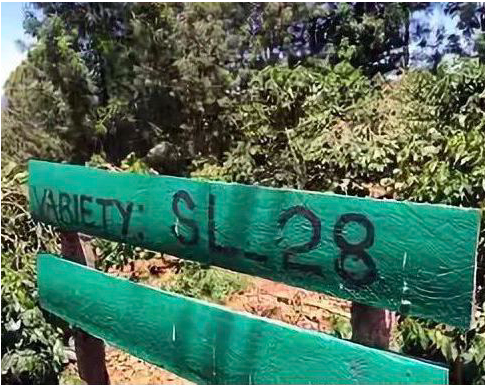
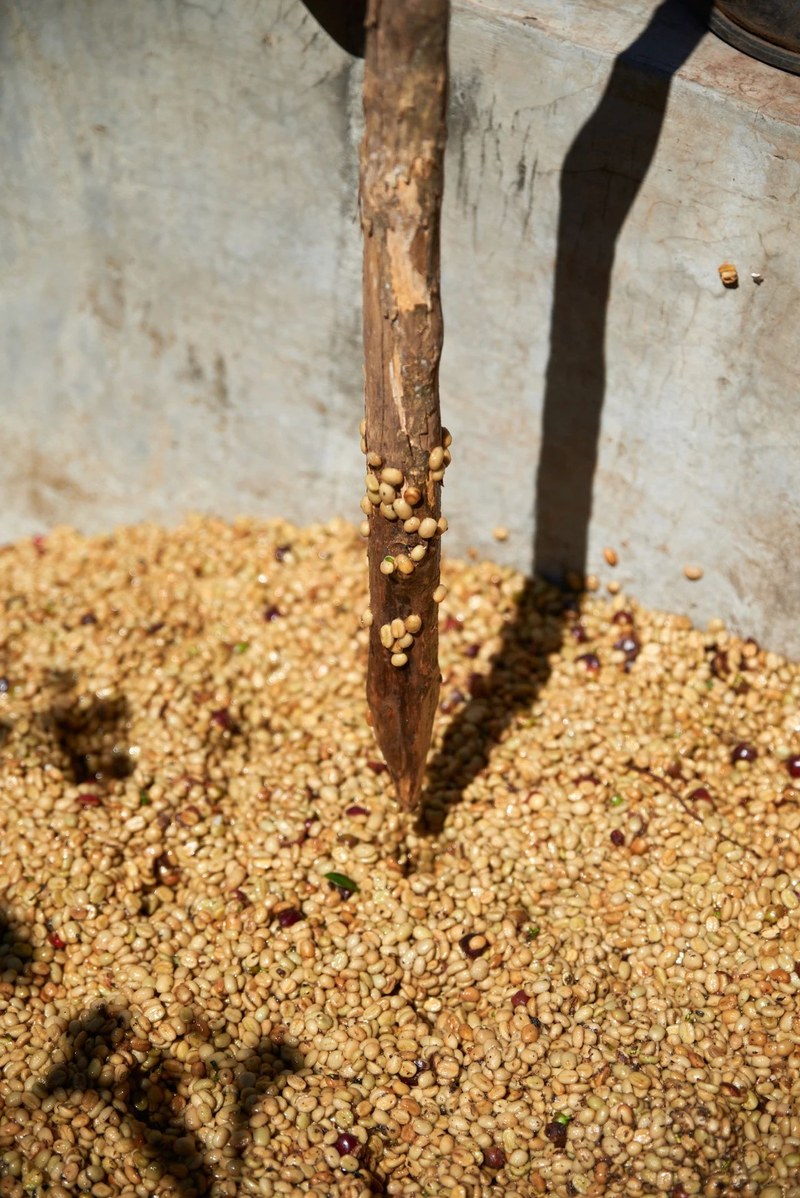
To explain where this "cherry tomato" comes from, we have to break it down by variety and processing method. The mainstream in Kenyan growing regions consists of Bourbon-line selections such as SL28 and SL34, which share a trait: high phosphoric acid content brings bright acidity while preserving a good deal of the plant's original expression. The washed process plays a decisive role here - after the pulp is removed, the beans are fermented, washed and dried, without the ripe sweetness that comes from the fruit sugars soaking in over a long period as in natural processing, so the bean's flavor is more "clean" and closer to the vegetal framework of the fruit itself. Qianjie Kenya Cherry Tomato is a typical washed Kenya, and what you taste is the astringency of the green-fruit stage rather than the bursting juice of a fully ripe berry. This savory note is often mistaken for a tart berry, but on closer inspection, a berry is a pure cycle of sweet and tart, whereas the cherry tomato flavor has an extra savory base, like the morning air of a vegetable garden, carrying the green pungency of stems and leaves snapped in two. Qianjie Yirgacheffe Gudingding is also washed, but its citrus-jasmine direction is more ethereal, with the vegetal expression dissolved into the florals, never landing in such a specific "tomato" territory.
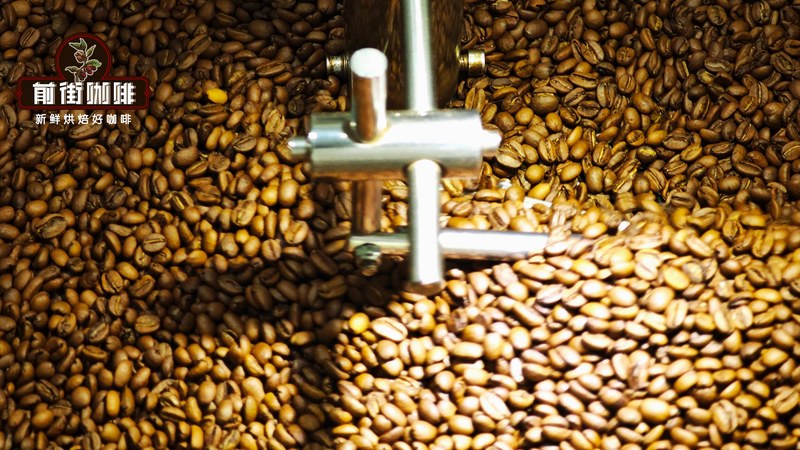
There are tricks to identifying this flavor. During the wet aroma stage, pay attention to the vegetable-garden freshness beneath the citrus notes; some describe it as freshly cut lawn mixed with green vines, though I think it is more like the special green pungency when you snap a tomato stem - not a bad thing, but an appealing vegetal liveliness. Once the temperature drops, the medium-low range is the key window for judgment. Qianjie Kenya Cherry Tomato reveals a green-fruit-like astringency at this point, with a slight tightening on both sides of the tongue and that savory note entwined in the sweet aftertaste. If it is a naturally processed bean, this temperature range tends to move toward the ferment of ripe fruit, as with Qianjie Huakui, where natural processing gives it the thick sweetness of mango and berry jam, the vegetal quality covered by the richness of the pulp. The divide between washed and natural is very clear here: one heads toward green fruit and the vegetable garden, the other toward ripe fruit and the confectioner's shop. Although Qianjie Grana Geisha is a Geisha, this bean's roasting approach makes it lean more toward the caramelized expression of espresso, with the floral and fruity flavors drawn into the density of the crema, a different path from the clear vegetal feel of Cherry Tomato in pour-over.
To brew this bean, I use a V60 in my shop, 15 g of grounds, at a 1:15 coffee-to-water ratio, which means pouring up to 225 g. The water temperature depends on the roast level; Qianjie Kenya Cherry Tomato is a medium-light roast, so around 93°C is suitable, and if it is roasted darker, drop to around 90°C to avoid the astringency in the finish being forced out by high heat. Bloom for 30 seconds to let the carbon dioxide escape first, then pour in stages with a small stream in circles, finishing with a centered steady pour, keeping the total time to about 2 minutes. With these parameters, the florals and citrus of the front end are fully released, the berry acidity of the middle supports the structure, and that bit of cherry tomato savoriness in the finish lands right at the bottom of the cup without dissipating. A customer once asked me whether Qianjie Kafa Forest could be a substitute, but that is an Ethiopian heirloom, washed yet wilder in flavor, carrying a chaotic mix of forest berries and spices, without Kenya's clear varietal framework, so the distinctiveness of the cherry tomato is naturally much weaker. Qianjie Strawberry Candy espresso blend is another matter entirely; a blend pursues balance and sweetness, and the terroir-driven individuality found in a single origin is smoothed away. So if you really want to chase this flavor, you still have to come back to Qianjie Kenya Cherry Tomato itself, with the foundation of a washed Kenya and the right medium-light roast, and with the parameters right, the cherry tomato in the cup will speak for itself.
Related Reading



Comments (0)
Loading comments...
You May Be Interested




Trending Reviews
Popular Videos

With you, wherever you are! We provide useful features to help you find new things you'll love






