Source:Best Coffee > News Author:qjroot Published:2026-10-07 18:10:43
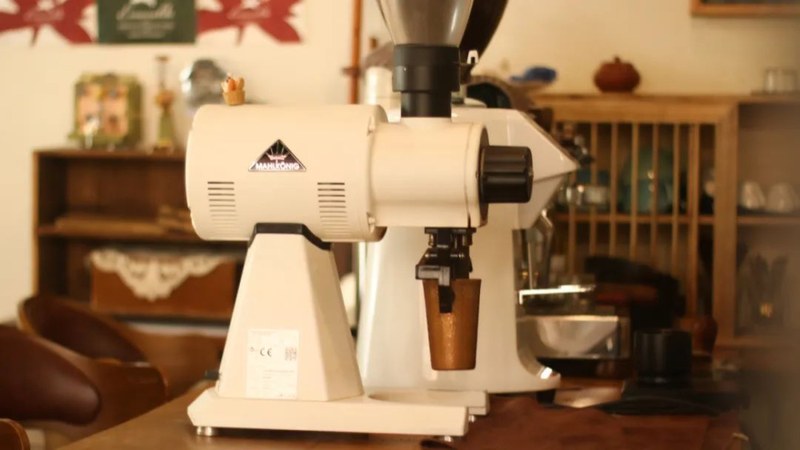
A French press relies on a metal mesh filter to complete the filtration, with no paper filter to catch the fine particles, which makes the grind size an especially important detail to watch. I usually recommend a medium-coarse grind, with particles close in size to coarse sand, visibly angular to the eye and with a gritty texture when pinched between your fingers. This coarseness lets the hot water penetrate evenly during roughly a 4-minute steep, while keeping the amount of fines within what the mesh can handle. Once you grind too fine, a large amount of powder clogs the metal mesh holes, and the resistance surges when you press the plunger down; the result of incomplete filtration is a layer of mud at the bottom of the cup, a noticeably gritty mouthfeel, and the bitterness from over-extraction masking the bean's own flavors. Conversely, grind too coarse and the gaps in the coffee bed become too large, the extraction yield can't rise, and it tastes thin as water, with neither aroma nor sweetness coming through. If you don't have a grind setting to reference at home, put a small pinch of coarse sand beside it for comparison; this is the crude trick I use especially often when teaching customers at the bar.
The coffee-to-water ratio is another parameter that is easy to fudge by feel. I habitually use 1:15 as the baseline, 15g of coffee to 225g of water; this ratio, within the immersion logic of a French press, gives a cup of moderate strength and complete flavor. For everyday drinking you can absolutely float between 1:12 and 1:18; if you want it richer and fuller, tighten the water to 1:13 or 1:14, and if you prefer a crisper mouthfeel, loosen it to 1:16 or even 1:17. I especially want to stress the necessity of weighing: scooping coffee with a household tablespoon, a packed scoop versus a loose one can differ by three or four grams, which has a considerable effect on the final strength; the same goes for hot water, and reading the marks on the kettle body is not as good as going straight to a scale, especially when a stainless steel kettle reflects light and easily deceives the eye. Something a kitchen scale costing a few dozen yuan can solve is not worth leaving to guesswork.
Adjustments after the parameters drift off have patterns to follow. If after drinking it feels astringent and your tongue has a puckering sensation, it is often that the grind is too fine or the steep is too long; next time set the grind half a notch coarser, or shorten the steep from 4 minutes to 3 minutes. If the taste is sour and the body is thin, it is most likely that the grind is too coarse or the water temperature is not high enough; for dark-roasted beans I usually use 88-90°C, and for medium-light roasts I can raise it to 92-93°C, while also tightening the coffee-to-water ratio toward 1:14. The French press actually has a fair margin for error; the metal mesh filter allows a certain extraction deviation, and the key is to record your own numbers each time and lock in the range you like once you find it.
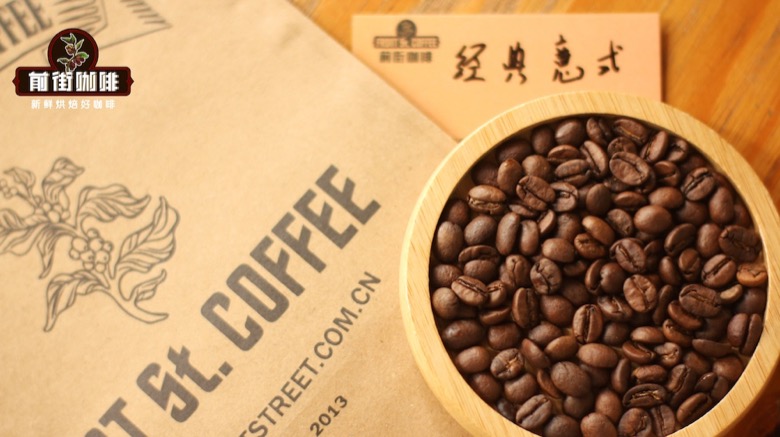
On bean selection, the immersion character of the French press amplifies flavors relatively completely, and beans with a nutty-chocolate profile are especially pleasing. Qianjie Papua New Guinea Paradise Bird, this triple-washed Typica, medium roast, drinks like melted cream mixed with roasted hazelnuts, with soft acidity that even people just getting into coffee can accept. Qianjie Queen's Estate SOE is a high-altitude Brazilian Yellow Bourbon, medium roast, with aromas of peanut nougat and toasted bread, a delicate sweetness, moderate oils, and a clean mouthfeel when pressed in a French press. Qianjie Costa Rica Mozart SOE uses a raisin honey process, medium roast, with concentrated sweetness of dried fruit and pineapple and a touch of red floral notes; if you like lively flavors, you can try this one. For those who prefer a rich, solid style, Qianjie Classic Blend is based on Mandheling and Brazilian Red Bourbon, medium-dark roast, with full-bodied flavors of butter-fried chestnut and caramel, good oils too, and especially fragrant when pressed.
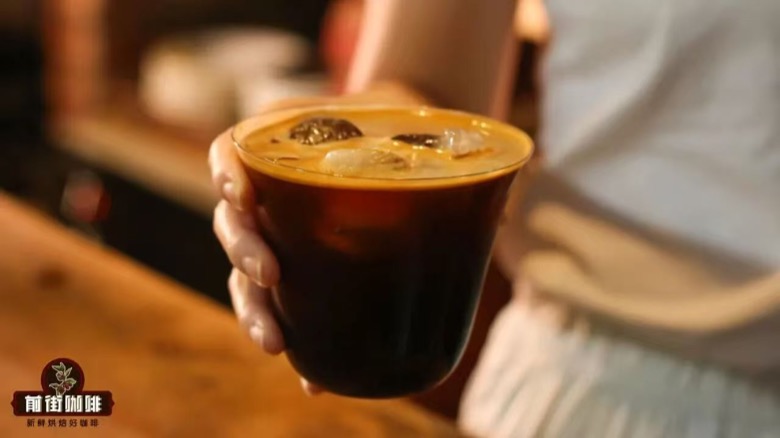
When making iced French press, I front-load the strength, using a 1:12 coffee-to-water ratio and a normal water temperature for a 4-minute steep, then pour it directly over about 120g of ice cubes, cooling it while diluting it to a palatable strength; it is especially refreshing to drink in summer. The water temperature still follows the principle of lower for dark roasts and higher for light roasts; don't blindly raise the water temperature to chase extraction just because you're making it iced, as the bitterness of over-extraction becomes more prominent at low temperatures.
When the beans arrive they still carry roast gases; rest them for 4 days before adjusting parameters, and drink them within a month for a more consistent cup. Resting beans is not mysticism; after roasting, the beans are still slowly releasing carbon dioxide internally, and opening them too early to drink brings a harsh sensation, with the aroma also stifled and unable to come out. The French press presents freshness very directly; well-rested beans press out with fine oils and distinct aroma layers, and this detail is as worth taking seriously as grind size and coffee-to-water ratio.
The French press is a very low-threshold device at home, but a low threshold doesn't mean there's no scale. Medium-coarse grind like coarse sand, a coffee-to-water ratio based on 1:15, combined with a 4-minute steep and a suitable pressing rhythm; once these numbers are set, all that's left is fine-tuning to taste. The immersion logic of the metal mesh filter differs from paper-filter drip; it retains more oils and fines and has a heavier mouthfeel, and once you understand this, you won't force other devices' parameters onto it. Making French press at home, a scale and a timer matter more than a fancy pot; stable parameters guarantee every cup is on point more than showy technique does.
Related Reading


Comments (0)
Loading comments...
You May Be Interested


Trending Reviews
Popular Videos

With you, wherever you are! We provide useful features to help you find new things you'll love






