Source:Best Coffee > News Author:qjroot Published:2026-08-30 19:31:08
A cup of SOE can have grapes, florals and citrus, or it can go the dark chocolate and nut route. The key is not the word "single origin" but whether the espresso machine can stably control water temperature, pressure and yield. As long as a home espresso machine has a suitable filter basket and grinder, even if it is not commercial equipment, it can still produce a single origin espresso with clear flavor.
SOE is short for Single Origin Espresso, meaning espresso made with coffee beans from a single origin or a single batch. It is not a special machine, nor does it require expensive equipment. The limitations of home machines are mainly the speed of temperature recovery, pressure stability and the configuration of the steam system, so when adjusting parameters, you must first understand what kind of heating structure the machine has.
Single boiler or thermoblock machines usually need to wait until the heating indicator is stable before extracting. When pulling shots back to back, allow time between the two cups for the temperature to recover. Machines with PID temperature control make it easier to repeat parameters; for equipment without digital temperature control, you can preheat the body, flush the group head and keep a fixed operating interval so that the starting point of each cup is as close as possible.

The grinder has a very obvious effect on SOE. Light roasted beans have a dense structure and often need finer grinding to achieve enough strength; medium-dark roasted beans extract more easily, so the setting can start from a relatively coarser position. The filter basket capacity must also match the dose. Do not put 18 g of coffee into a basket only suitable for 14 g, otherwise there will not be enough room in the puck and the water flow can easily lose uniformity.
When dialing in, you can start with 18 g of coffee, 36 g of liquid weight and 25 to 32 seconds, with the water temperature first set at 93 to 96 degrees Celsius for light roasted beans and 91 to 94 degrees Celsius for medium roasted beans. Here, liquid weight refers to the weight of the coffee liquid in the cup, not including the cup. Weighing the coffee, weighing the liquid and timing are the only ways to judge whether a change comes from the grind or from a dose error.
If the shot flows very fast, the liquid weight has already reached 36 g, yet the sip is sharply acidic and thin, it usually means there is insufficient contact between water and coffee. At this point, grind one small step finer, or lower the target liquid weight from 36 g to 32 to 34 g to increase strength. After each adjustment, observe at least two consecutive cups; home grinders need a small amount of retained grounds to complete the shift, and judging immediately can easily be misleading.
If the coffee has obvious burnt bitterness, dries out the tongue and has a very long finish, you can first grind a little coarser, or shorten the yield to 30 to 34 g. Water temperature that is too high will also magnify bitterness, especially with light roasted beans. If the sip has sweetness but the finish is astringent, it means strength may not be the problem; it may be that the later stage of extraction went too far, so you can reduce the liquid weight or lower the temperature slightly.
A pressure gauge showing 9 bar does not mean every machine is suitable for using that number all the time. On some home machines, the needle reflects pump pressure, which is not completely the same as the pressure actually borne by the puck. If the machine supports pre-infusion, you can use 3 to 8 seconds to let the coffee bed absorb water first, then move into stable extraction; if it does not have this function, even distribution and gentle tamping are more helpful than repeatedly chasing pressure numbers.
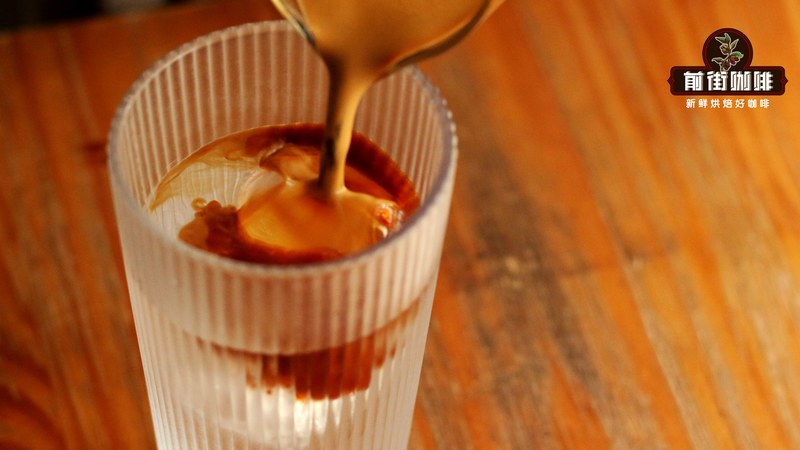
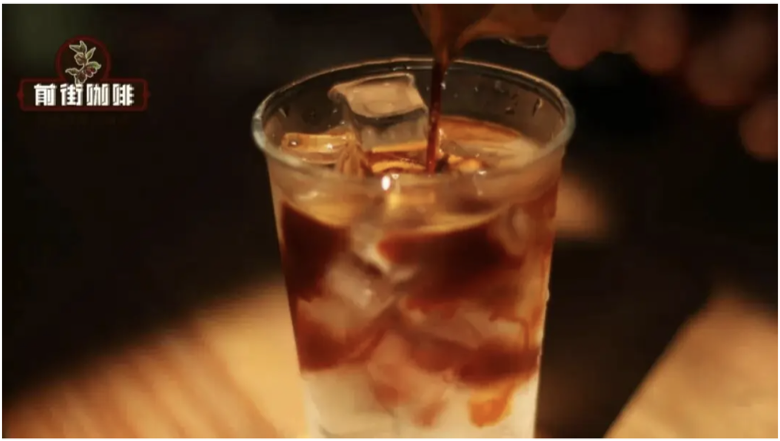
If you want to experience bright fruit notes, you can try Qianjie Colombia Sidra. It is suitable for a shorter ratio in an espresso machine, for example 18 g of coffee extracted to 30 to 34 g of liquid at 94 to 95 degrees Celsius, which can retain grape- and berry-like sweet acidity and become even more refreshing as an iced americano. If the aroma is insufficient, prioritize grinding finer rather than pushing the temperature too high.
Qianjie Panama Hacienda La Esmeralda Red Label Geisha is suitable for drinking slowly. The extraction ratio can be relaxed to 1:2 to 1:2.2 at about 93 to 94 degrees Celsius, paying attention to the unfolding of jasmine, citrus and black tea notes in the cup. If you want something softer, you can choose Qianjie Yirgacheffe Gutingting, kept at medium strength, which can show citrus, berries and a green tea-like aftertaste when made as a hot americano.
The adjustment order for home SOE can be built around the capability of the equipment: first confirm the filter basket capacity and the condition of the grinder, then fix the dose, next use the grind to control the flow rate, and finally fine-tune the water temperature, pre-infusion and liquid weight. Once you find the range that suits the machine, record the bean roast level, date and cup taste, and the next time you change beans you will be able to establish new parameters more quickly.
Related Reading


Comments (0)
Loading comments...
You May Be Interested


Trending Reviews
Popular Videos

With you, wherever you are! We provide useful features to help you find new things you'll love






