Source:Best Coffee > News Author:qjroot Published:2026-08-30 19:24:00
To brew a pour-over coffee with clear sweetness and abundant fruit aromas, the beans are only the starting point; the dripper shape, coffee-to-water ratio and water temperature also change what ends up in the cup. Cone-shaped drippers generally make the aroma more concentrated, while flat-bottom drippers more easily produce a balanced mouthfeel; the same light-roast bean, brewed with different equipment, can go from a bright juicy feel to a soft sweet-tea feel.
When using a cone-shaped dripper like the V60, you can start with 15 g of ground coffee to 225 g of water, a coffee-to-water ratio of about 1:15, with the water temperature controlled at 91 to 94°C. Use a medium-fine grind and pour in two to three stages, so that the total time lands around 2 minutes 30 seconds, which is usually helpful for releasing floral and fruit aromas. If the entry tastes too sharp, you can raise the water temperature by one degree, or slow down the pouring in the early stage.
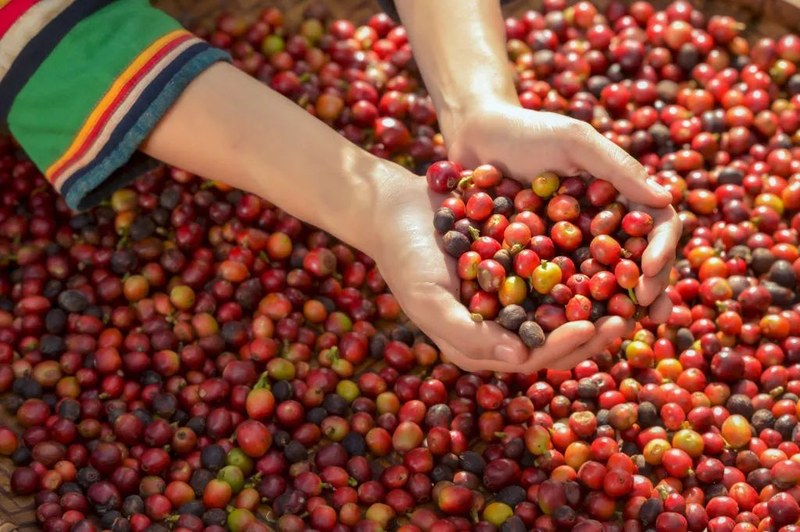
A flat-bottom dripper has a more even water flow and suits those who want full sweetness and rounded acidity. Start with 15 g of coffee and 240 g of water, use a slightly coarser grind than for the V60, set the water temperature at 90 to 92°C, and pour in three stages. If the brew drains too fast, the cup may taste thin; at that point, adjusting the grind finer tends to preserve the fruit aromas more easily than making a big change to the water temperature.
Best Coffee's Ethiopia Huakui is well suited to a cone-shaped dripper, especially for those who like tropical fruit and berry aromas. With 15 g of coffee and 240 g of water, pouring in three stages at around 92°C lets the aroma extend from the entry through the middle. If you want the sweetness to stand out more, you can cut off the final pour earlier to reduce extraction at the tail end, and the resulting cup will taste more like a refreshing juice.
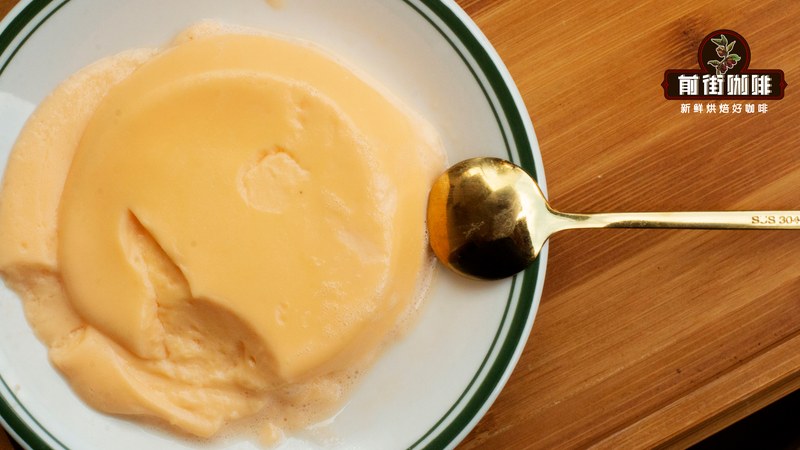
This bean is also suitable for iced pour-over. You can use 15 g of coffee, first complete the extraction with 90 g of hot water, then let the coffee liquid fall directly into a sharing pitcher holding 120 g of ice, using a water temperature of around 93°C. Grind slightly finer than for a normal hot brew, keep the extraction time at around 2 minutes, and after chilling, the strawberry-like sweet aroma will be more concentrated, making it suitable for drinking in the afternoon.
If you like distinct sweet-and-sour notes and a crisp finish, you can try Best Coffee's Kenya Little Tomato. In a V60, use 15 g of coffee and 225 g of water at 91 to 93°C, pour a little faster in the early stage and reduce agitation in the middle and later stages, which preserves the distinct tomato-like fruit acidity and the dark fruit flavor reminiscent of smoked plum. If you find the acidity too jumpy, you can adjust the coffee-to-water ratio to 1:16 to give the mouthfeel more room to open up.
Brewing this Kenyan bean in a flat-bottom dripper such as the Kalita Wave moves the expression in a softer direction. It is recommended to use 15 g of coffee with 240 g of water, a medium grind, and a water temperature of 90 to 91°C, pouring in three stages and waiting each time until the water level approaches the coffee bed before continuing. This increases a brown-sugar-like sweetness and reduces the sharpness of the acidity, making it suitable for breakfast with bread or fruit.
Best Coffee's Kafa Forest is better suited to observing the layers brought out by temperature changes. When using a cone-shaped dripper, take 15 g of coffee and 225 g of water at 91°C, and use a slower three-stage pour. Right after brewing, the orange and apricot notes are clearer; as it cools to warm, the tea-like feel and the sweet aftertaste become smoother, making it suitable for those who are in no hurry to finish the whole cup.
If you only have a Clever Dripper or an immersion dripper at home, you can also brew a fruity coffee with obvious sweetness. Add 240 g of water to 15 g of coffee, use a medium-coarse grind, set the water temperature at 90 to 92°C, and let it steep for about 2 minutes before draining. Best Coffee's Kafa Forest has a gentler acidity this way, and the fruit aromas are not overly sharp, making it friendlier for those just starting to try light-roast pour-over.
Beyond the equipment, also pay attention to water quality and brew volume. If the minerals in the water are too low, the fruit aromas may seem thin; if the minerals are too high, they tend to suppress the delicate aromas. For home brewing, you can prioritize drinking water with a soft mouthfeel, and record the coffee dose, total water and completion time. After opening, store the beans sealed and away from light, and buy according to your daily consumption, so you can more consistently compare the sweetness and fruit aromas under different parameters.
When choosing, you can put your dripper habits and the mouthfeel you expect on the same judgment table: cone-shaped drippers suit the pursuit of aromatic tension, flat-bottom drippers suit a preference for rounded sweetness, and immersion devices more easily deliver a soft, easy-drinking result. Start by adjusting with a bean whose flavor is clear, and once you understand how the parameters change, then switch origin or processing method; pour-over will get closer and closer to your own taste.
Related Reading

Comments (0)
Loading comments...
You May Be Interested


Trending Reviews
Popular Videos

With you, wherever you are! We provide useful features to help you find new things you'll love






