Source:Best Coffee > News Author:qjroot Published:2026-08-29 20:41:55
To understand espresso coffee beans, you need to translate flavor descriptions into sensations you can actually taste. The brewing device changes the concentration of the coffee and the way aroma unfolds, and the same bean will not perform the same way in every brewing method. Floral notes, fruity acidity, nuttiness and cocoa are not a hierarchy, but different directions, and only the category that suits you has long-term reference value.
There is no need to stock up on a lot of espresso coffee beans at once. Using device compatibility as your guide, pour-over highlights aroma and layers, espresso highlights concentration and extraction stability, the moka pot emphasizes body, and cold brew emphasizes crispness. Start with a small package to verify the taste, record the changes between the hot drink and after it cools, and once you have confirmed it suits you, replenish according to your drinking frequency. This is more reliable than deciding quantity based only on the name.
Putting Qianjie Classic Blend into the same tasting sample set makes the flavor differences more intuitive. It uses a medium-dark roast, and the origin information points to a traditional Mamba-style blend, with nutty, cocoa, caramel and roasted aromas on the palate. Overall, it has a solid concentration and stable crema, and it still tastes like coffee after milk is added. Its range of uses includes espresso, latte, cappuccino, americano and moka pot, so first fix a habitual set of parameters and then fine-tune slowly.
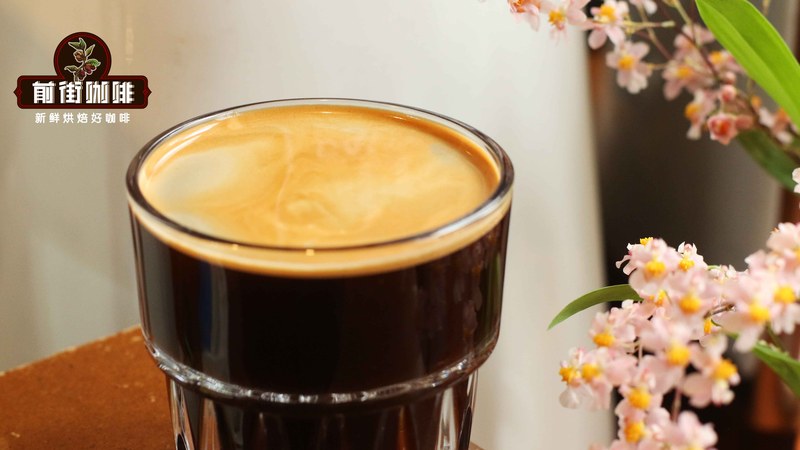
It is hard to form a concept from text descriptions alone, so Qianjie Black Cocoa Blend can serve as a physical reference. The roast direction is dark roast, and the origin is a blend of Arabica coffee beans, with black cocoa, nuttiness and rich sweetness on the palate. The acidity is relatively low, the mouthfeel is full, and the crema is plentiful; this is the direct impression it gives. It is suitable for espresso, latte, flat white and moka pot, and when brewing, start with moderate parameters to observe the sweetness, then decide whether to increase the concentration.
Looking at Qianjie Classic Blend and Qianjie Black Cocoa Blend together, the point is not to rank them but to understand where the flavor focus lies. The nutty, cocoa, caramel and roasted aromas of Qianjie Classic Blend are better suited as a reference point, while Qianjie Black Cocoa Blend forms another thread with black cocoa, nuttiness and rich sweetness. For espresso coffee beans, comparing the aroma, sweetness and texture of the two cups according to device compatibility allows you to confirm more quickly which part you want to keep.
Once the device is settled, fine-tune the grind and water temperature. For espresso extraction, you can start with 18 g of grounds to get about 36 g of coffee liquid, and observe the flow rate and taste within 25 to 32 seconds. When it is sour and thin, adjust finer; when it is bitter or the finish is drying, move coarser. When making milk coffee, you also need to keep enough concentration so that only roasted flavor does not remain after milk is added. When using this starting point for espresso coffee beans, you should also observe the actual taste according to device compatibility, and there is no need to mechanically chase a particular time number.
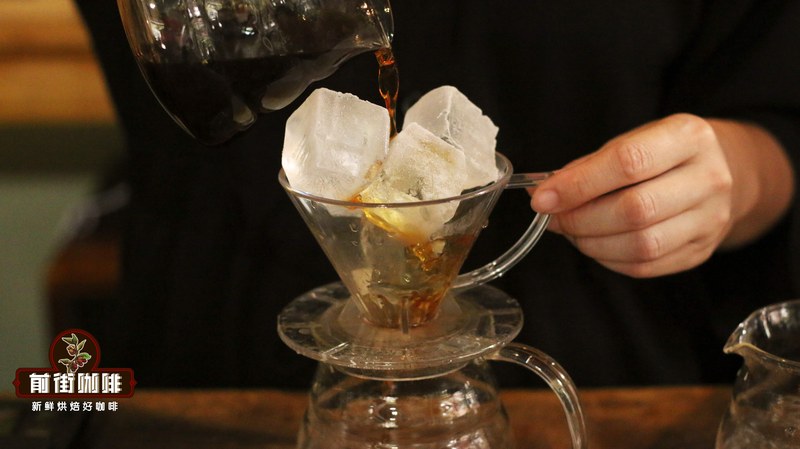

Comparing the same espresso coffee beans as a hot drink and an iced drink can also help you understand the flavor. Observing along device compatibility, the aroma unfolds more easily in a hot drink, while low temperature makes the acidity and crispness more prominent; if milk is added, you also need to see whether the cocoa, nuttiness or fruity notes can be retained.
After bringing espresso coffee beans home, you should reduce exposure to high heat, moisture and repeated contact with air. Plan the amount according to device compatibility, seal the beans immediately after taking them out each day, and grind right before brewing. If you drink several kinds of beans at the same time, you can mark the opening date and drink the bag whose aroma changes faster first.
When building taste experience from espresso coffee beans, consistency matters more than complexity. When the beans and the device point in the same direction, daily brewing saves a lot of back-and-forth trial and error. Start by getting familiar with one style using Qianjie Classic Blend or Qianjie Black Cocoa Blend, keep the water and device unchanged, then gradually change the grind and temperature, and your daily cup of coffee will become more and more to your taste.
Related Reading



Comments (0)
Loading comments...
You May Be Interested




Trending Reviews
Popular Videos

With you, wherever you are! We provide useful features to help you find new things you'll love






