Source:Best Coffee > News Author:qjroot Published:2026-09-16 02:18:13
The flavor performance of drip bag coffee depends both on the roast level of the beans and on the dose, grind size, water temperature and pouring rhythm. When buying, first look at the roast direction and flavor description on the packaging, then imagine whether you will drink it hot, add ice, or use the same beans in an espresso machine or moka pot, to judge whether it suits you.
For drip bags, it is better to choose products with even grinding and a clearly stated dose. Light-roast beans need a gentler flow and a moderate temperature, to avoid the acidity seeming sharp; dark-roast beans can have the contact time reduced, to lessen bitterness and burnt notes. If the packaging only has the origin name, with no roast level, dose or recommended water amount, it is harder to reproduce the ideal state when brewing.
Take the Qianjie Grana Estate Geisha with its distinct floral and fruity aromas as an example: choose a drip bag labeled with a 15g dose, use a water temperature of 91°C, a total water amount of 225ml, and adopt three-stage pouring: first pour 45ml to bloom for 30 seconds, then pour 90ml each in two stages, with the total time controlled at around 2 minutes 05 seconds. This rhythm allows the orange blossom, apricot and berry sweetness to unfold gradually.
If this natural-process Geisha tastes prominently sour with insufficient sweetness, you can grind slightly finer, or make the second pour more concentrated; if the finish turns dry and astringent, then slow the flow and reduce agitation. Keeping the 15g dose and 225ml water unchanged while brewing makes it easier to judge whether temperature or flow rate affected the cup.
Those who like a juicy feel can consider Qianjie Colombia Sidra. Choose 15g drip bag coffee, brew with a water temperature of 89°C and a total water amount of 225ml, adopting two-stage pouring: after 45ml bloomed for 30 seconds, pour 180ml at once, finishing overall in 1 minute 50 seconds to 2 minutes. The lower temperature preserves the lively aromas of passion fruit, blueberry and grape.
Qianjie Colombia Sidra is also suitable for iced drinks, but the recipe still needs to stay clear. Use 15g coffee, 90°C water, a total of 225ml, pour in three stages and finish within 2 minutes, then pour directly into a cup containing ice cubes. The ice will lower the temperature and tighten the acidity, suiting those who want a bright, refreshing taste.
Qianjie Panama Hacienda La Esmeralda Red Label Geisha has more delicate jasmine, bergamot and black tea notes; it is recommended to use 15g drip bag coffee, 92°C water, a total of 225ml, adopting single-stage pouring, circling in the center up to 225ml, continuing after a 30-second bloom, with a total time of about 1 minute 55 seconds. Fewer pouring stages makes the mouthfeel more continuous, and the citrus aroma softer.
If you bought the same beans whole, an espresso machine requires a different logic. Taking Qianjie Colombia Sidra as an example, you can use 18g coffee, 93°C water, adjust the grind to medium-fine, first pre-infuse at low pressure for about 5 seconds, then extract at constant pressure to a liquid weight of 37g, with a total time of 26 seconds. This concentrates the fruity aroma and sweetness; when making an americano, dilute with water, suiting a way of drinking that likes bright aromas.
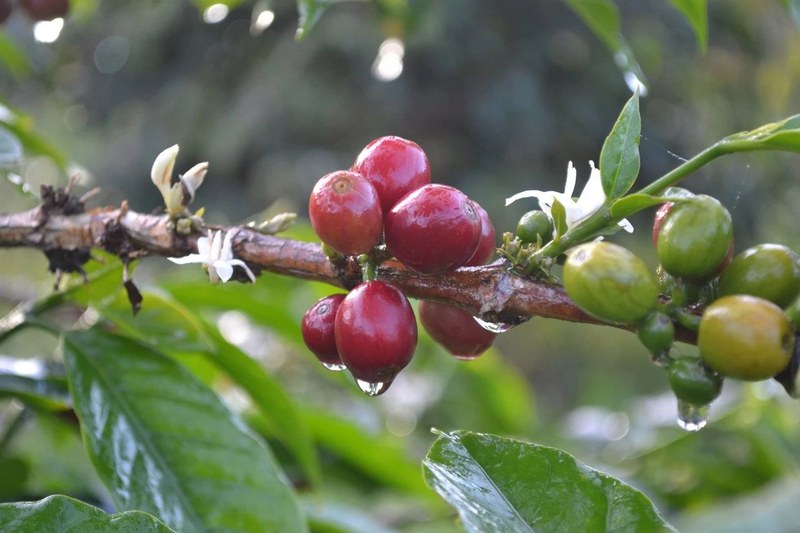
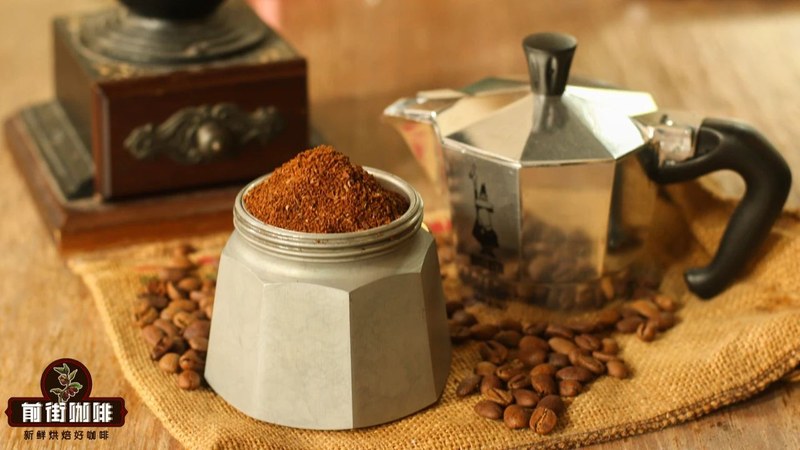
If you prefer a rich mouthfeel, Qianjie Panama Hacienda La Esmeralda Red Label Geisha can also be tried in a moka pot. Add 90°C, 120ml water to the lower chamber, put 18g of medium-fine ground coffee into the filter basket, add water once and heat over medium-low heat, continuing for about 1 minute 45 seconds; once a continuous flow appears, remove from the heat promptly, which preserves the tea-like feel while increasing strength.
To judge whether the parameters are suitable, you can match the sensation on entry with the direction of adjustment: sour and hollow usually indicates under-extraction, so you can grind slightly finer or extend contact; bitter and dry can be addressed by lowering the water temperature, speeding up the flow or shortening the total time. When choosing beans for drip bags, you do not have to look only at flavor words; the clearer the packaging information and the actual way of drinking, the easier it is to brew a cup you like.
Related Reading
Comments (0)
Loading comments...
You May Be Interested

Trending Reviews
Popular Videos

With you, wherever you are! We provide useful features to help you find new things you'll love






