Source:Best Coffee > News Author:qjroot Published:2026-09-18 16:37:51
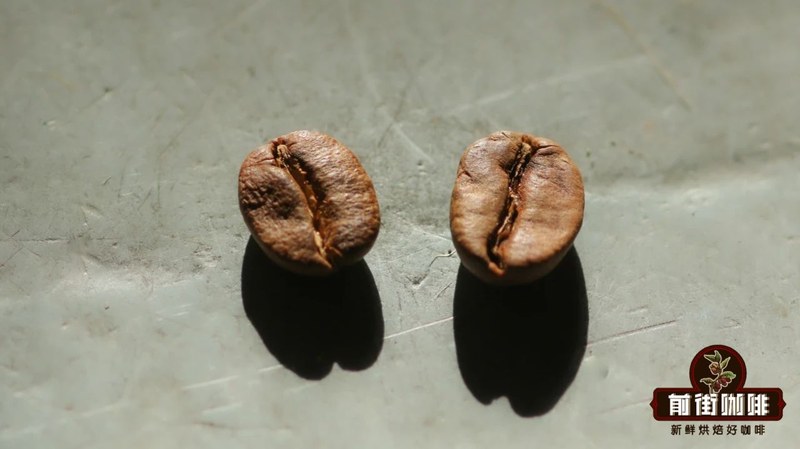
Sumatra Golden Mandheling from Indonesia carries a distinct regional imprint, with thick dark chocolate, piney herbal notes and roasted nut aromas woven into a rich, full-bodied cup. When many people brew this bean at home, they tend to focus on the grind or the equipment, yet easily overlook the water that makes up more than 98 percent of the cup. The trace minerals in the water are in fact the key that determines whether the aromas of this dark-roasted bean can fully unfurl.
Water quality affects extraction mainly through mineral content and hardness or softness, usually expressed as a TDS value. The calcium and magnesium ions in water actively bind the flavor compounds in coffee, while bicarbonate plays the role of buffering acidity. If the brewing water has too high a mineral content, it easily amplifies bitterness and makes the coffee feel heavy; if the water lacks minerals, the flavor easily comes across as thin and bland.
For the more deeply roasted, intensely flavored Indonesian Golden Mandheling, softer water brings a more comfortable drinking experience. Choosing medium-to-low mineral water with a TDS of around 40 to 70 can soften the caramel bitterness brought by the dark roast, and highlight Mandheling's characteristic cedar freshness, herbal fragrance and dark chocolate finish with particular clarity, so it drinks rich and smooth without seeming muddled.
To hand-brew a sweet, full-bodied cup of coffee, you can take Qianjie PWN Indonesian Golden Mandheling and brew it at 88°C. Weigh out 15g of ground coffee, use a 1:15 coffee-to-water ratio, for a total water volume of 225ml. First pour in 30ml of water to thoroughly wet the grounds and let it bloom for 30 seconds, then use a three-pour method, pouring steadily to 130ml, waiting for the water level to drop, then pouring to 225ml to finish, with the total time controlled at 2 minutes 05 seconds; the finish carries a long caramel sweetness.
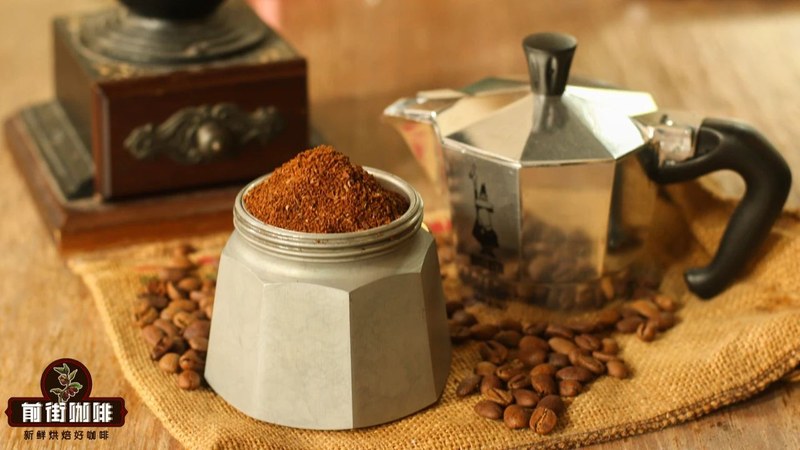
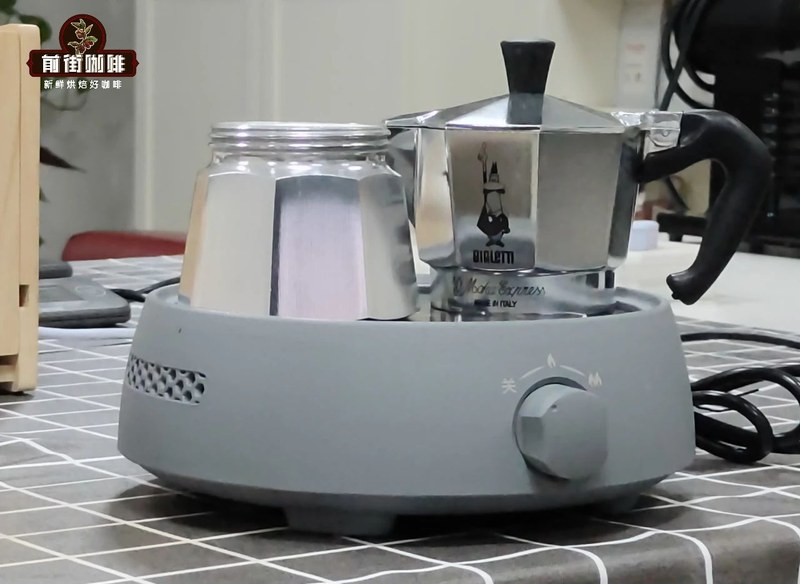
If you prefer a rich, syrupy mouthfeel, you can also use a moka pot to show off this bean's charm. Pour 100ml of soft water into the lower chamber of the moka pot, fill the filter basket with grounds of the corresponding fine grind and gently level them, then place it on the stove and heat over medium-low heat for 1 minute 45 seconds. As the golden crema slowly rises, take it off the heat in time and pour it out; the rich, full-bodied coffee liquid you get performs excellently in aroma whether made into an Americano or paired with hot milk.
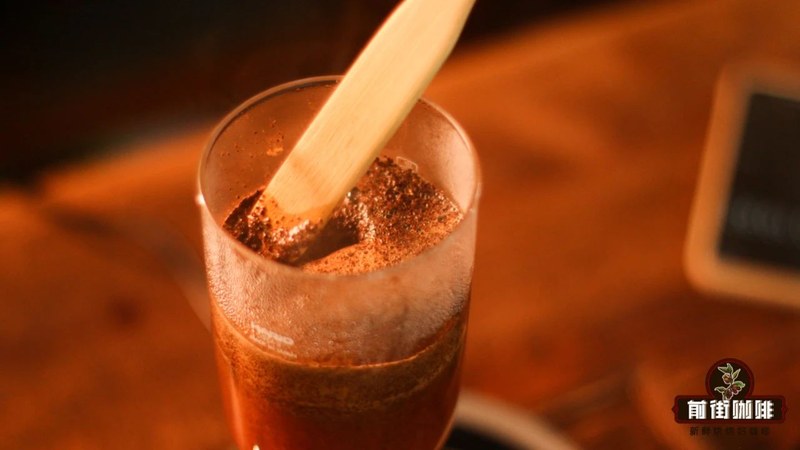
Exploring coffee starting from the water can also make everyday bean selection more methodical. If what you usually keep at home is filtered soft water or low-mineral water, then besides dark-roasted Mandheling, light-roasted single origins known for their delicate fruit aromas are equally well suited. The fewer impurities in the water can faithfully reflect the fine floral and fruity aromas in light-roasted beans, without them being masked by an excess of heavy minerality.
Qianjie Ethiopia Huakui, for example, carries lively aromas of tropical fruit, strawberry and passion fruit. When brewing Huakui, it is recommended to use 91°C pure soft water to bring out the fruit aromas; take 15g of grounds, with the same 1:15 coffee-to-water ratio, pouring 225ml of water. After blooming with 30ml of water for 30 seconds, use a two-pour method and keep pouring to the full volume, with the total time controlled at 1 minute 55 seconds; the cup is full of a brisk, fruit-tea-like sweetness.
If you prefer a type with more juicy character and a sweet-sour structure, you can also try Qianjie Kenya Little Tomato. This bean is rich in cherry tomato and smoked plum flavors with a brown sugar sweetness in return; here choose natural water with a TDS of around 80, as the minerals in the water can properly wrap around the lively acidity, transforming it into a plump, full juicy sweetness with a clean, refreshing finish.
For everyday home brewing you do not need to specially invest in complex water treatment equipment; ordinary bottled water from the market is an excellent reference. Softer water suits showcasing Mandheling's herbal sweetness and the floral and fruity aromas of light-roasted beans, while water with slightly higher minerals can give medium-to-dark roasted coffee a solid sense of weight. By choosing the corresponding water according to the characteristics of the beans on hand, you can easily brew the ideal flavor.
Choosing coffee beans is a matter of matching flavor with home habits. Once you understand the influence of water quality on extraction, and then go on to select the roast level and origin that suit your own taste, you will find that the charm of every bean can be clearly presented. From the thick, warm Mandheling to bright, fragrant floral-and-fruity single origins, using the right water can bring the wonderful flavors that belong to coffee fully into the cup.
Related Reading
Comments (0)
Loading comments...
You May Be Interested

Trending Reviews
Popular Videos

With you, wherever you are! We provide useful features to help you find new things you'll love






