Source:Best Coffee > News Author:qjroot Published:2026-08-30 19:26:17
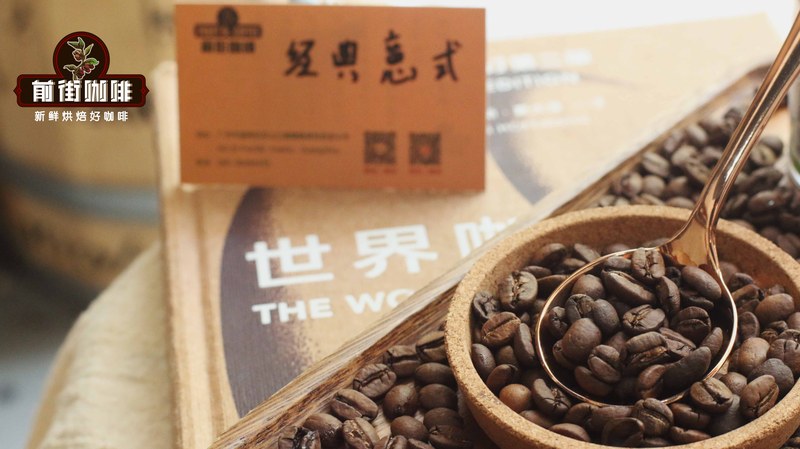
When medium-roast coffee beans are put into an espresso machine, they can usually achieve a good connection between aroma, sweetness and mouthfeel. They do not rely on bright acidity like light-roast beans, nor do they quickly move into a heavy roasted feel like dark-roast beans. For a home semi-automatic machine, when choosing medium-roast beans you can start with the portafilter basket capacity, brew ratio, grind setting and water temperature, so that the beans' flavor and the machine's performance work together.
First look at the basket specifications. Single baskets commonly hold about 7 to 12 g, while double baskets are mostly between 16 and 20 g; the actual dose should be based on the basket shape and the space under the group head. Medium-roast beans are usually denser than dark-roast beans, so the same weight may take up more volume; after dosing, confirm that the puck will not touch the group head. For daily use, it is advisable to prioritize a double basket, as the parameters are easier to keep stable.
For yield, you can start with the coffee-to-liquid ratio, for example 18 g of coffee grounds corresponding to 36 g of espresso, as a starting point for observing the beans' performance. If the entry is a bit sharp and sweetness is insufficient, you can stretch the yield slightly so that more solubles enter the cup; if the finish shows obvious dryness or burnt bitterness, you can reduce the liquid weight. With medium-roast beans, there is no need to stick rigidly to fixed numbers; the key is to let acidity, sweetness, body and aftertaste form a smooth continuity.
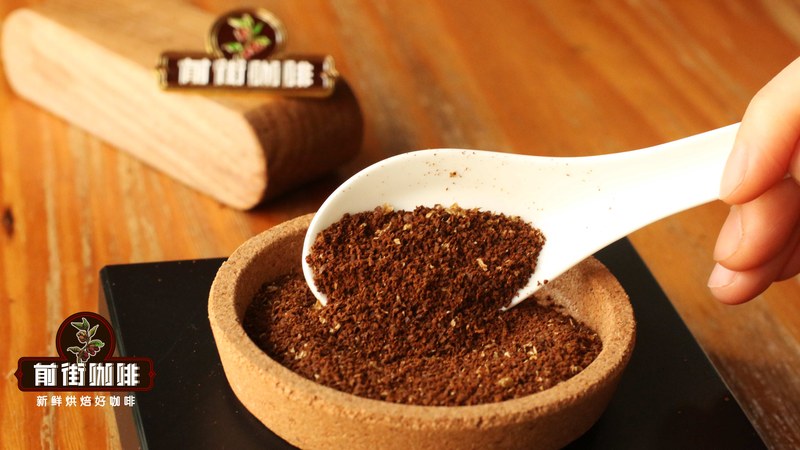
Grind size determines how quickly water passes through the puck and also directly affects the concentration of the espresso. If the coffee is ground too coarse, water flows out quickly, and the cup may be left with only sharp acidity and a thin texture; if ground too fine, water flow is obstructed, and after the extraction time is prolonged, astringency may appear. When adjusting, move only one small step at a time and observe the flow rate, the state of the liquid stream and the change on the palate; this is usually easier than making large changes to the setting to find the right range.
Water temperature can start at around 92 to 94 °C. If medium-roast beans have fruity or floral notes, you can try a slightly lower temperature to make the acidity appear softer; if the beans are mainly nutty, cocoa and caramel in character, a slightly higher temperature helps increase concentration and sweetness. The temperature shown by the machine is not necessarily equal to the actual temperature contacting the puck, so you should also judge based on warm-up time, group head condition and the number of consecutive shots.
Pump pressure is not better for all beans simply because it is higher. Stable pressure helps the puck maintain even extraction, and with a home machine you can first observe whether it runs steadily at around 9 bar. If the machine has a pre-infusion function, it can let the puck absorb water first before formal extraction begins, reducing flow imbalance caused by local channeling. Dose, tamping level and distribution evenness also affect the pressure curve, and parameter adjustments should be understood within the whole process.
If you prefer cocoa and nutty flavors, you can try Qianjie Black Cocoa Blend. In an espresso machine, it easily forms rich cocoa aroma, roasted nut notes and fuller sweetness, and the acidity will not steal the spotlight. When extracting 36 g of liquid from 18 g of grounds, it is suitable for a shorter espresso; after adding hot water it retains body, and when combined with milk it can support drinks such as latte and flat white.
If you want a rounded flavor with broader everyday adaptability, Qianjie Brazil Queen Estate can be included as a medium-roast candidate. Its nutty, cocoa and caramel notes are relatively harmonious in espresso form, with soft acidity, and it will not seem sharp when drunk straight. A slightly longer extraction ratio can let the sweetness open up more; when making mocha or milk coffee, its chocolate-like base also blends naturally with milk and cocoa sauce.
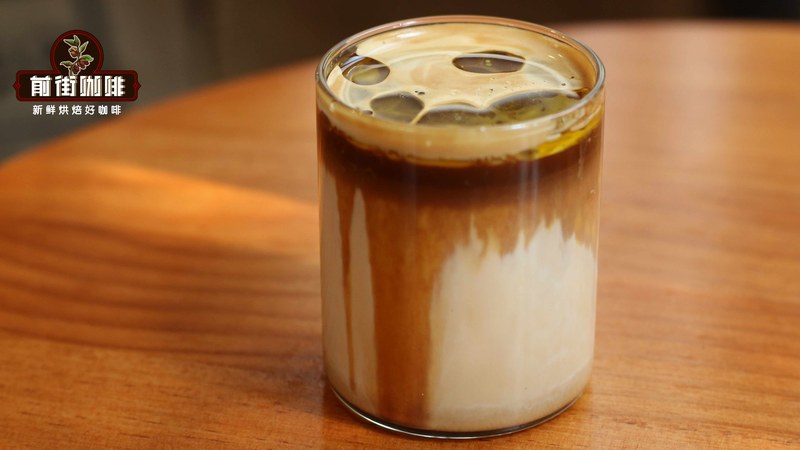
If you usually prefer fruity notes but mainly use an espresso machine, Qianjie Strawberry Candy Coffee Beans can be tried with a shorter ratio extraction. Its berry candy aroma is recognizable in espresso, and when made into an iced americano the aroma is lighter and brighter; adding a small amount of milk gives a feeling similar to a fruity dessert. The water temperature should not be too high, and too long a yield may also weaken the originally clear sweet aroma.
After choosing the beans, you should also include freshness in your parameter judgment. Freshly opened beans degas more actively, and the flow rate may change quickly; before extraction, you can let them stabilize in a sealed environment for a few days, then record dose, liquid weight and time. Keep weighing each shot, look at the espresso itself first, and then decide whether to add water, ice or milk. Once you find a set of settings suitable for your own basket and taste, medium-roast beans can become a stable yet varied daily choice.
Related Reading

Comments (0)
Loading comments...
You May Be Interested


Trending Reviews
Popular Videos

With you, wherever you are! We provide useful features to help you find new things you'll love






