Source:Best Coffee > News Author:qjroot Published:2025-03-29 10:39:26
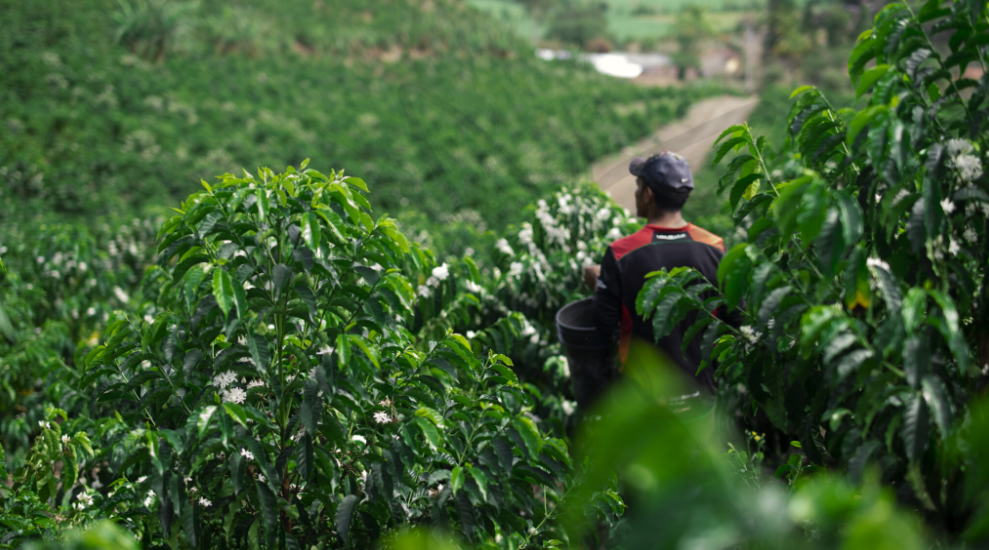
As the fourth-largest landmass, South America has rich and diverse environmental resources. The Andes run almost the entire length of western South America, and it is also one of the continents with more volcanoes in the world. The climate here is mainly tropical, warm and humid, with abundant rainfall, making it very suitable for growing coffee and other crops. Besides the well-known Brazil and Colombia, there are also coffee-growing regions such as Ecuador and Peru. Today, Qianjie will introduce this origin, Ecuador.
As early as the early 19th century, coffee was introduced to Ecuador, and in the 1860s the first coffee plantations were established in the coastal areas of Manabi Province. However, the cocoa industry had always been Ecuador's main industry, and coffee cultivation did not receive much attention. It was not until the late 1920s, when the cocoa industry was threatened by disease, that coffee cultivation became Ecuador's main business model.
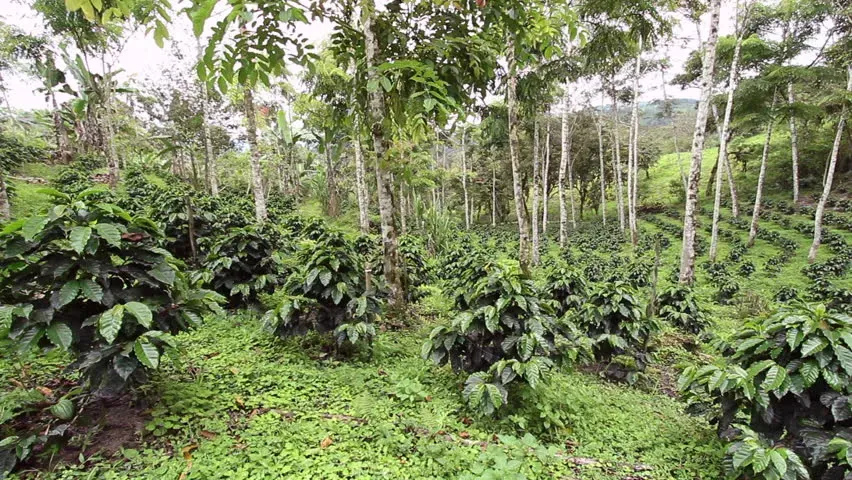
But the good times did not last. A price crisis emerged in the 1990s, causing the country's coffee production to drop sharply. By the early 2000s, Ecuador's economy mainly relied on oil, while agriculture was smaller than in many other coffee-growing countries. But in recent years, through the efforts of local farmers and roasters, Ecuador's coffee industry has begun to recover and develop. Although Ecuador's coffee production currently does not account for a high share globally, its coffee varieties are widely recognized for their unique growing conditions.
Geographically, Ecuador is crossed by the equator in the northern part of the country, the Andes run north to south through the country, volcanoes are numerous and earthquakes frequent within its territory, and the entire country is divided into four parts: the western coastal region, the central mountain region, the eastern Amazon River basin, and the Galapagos Islands.
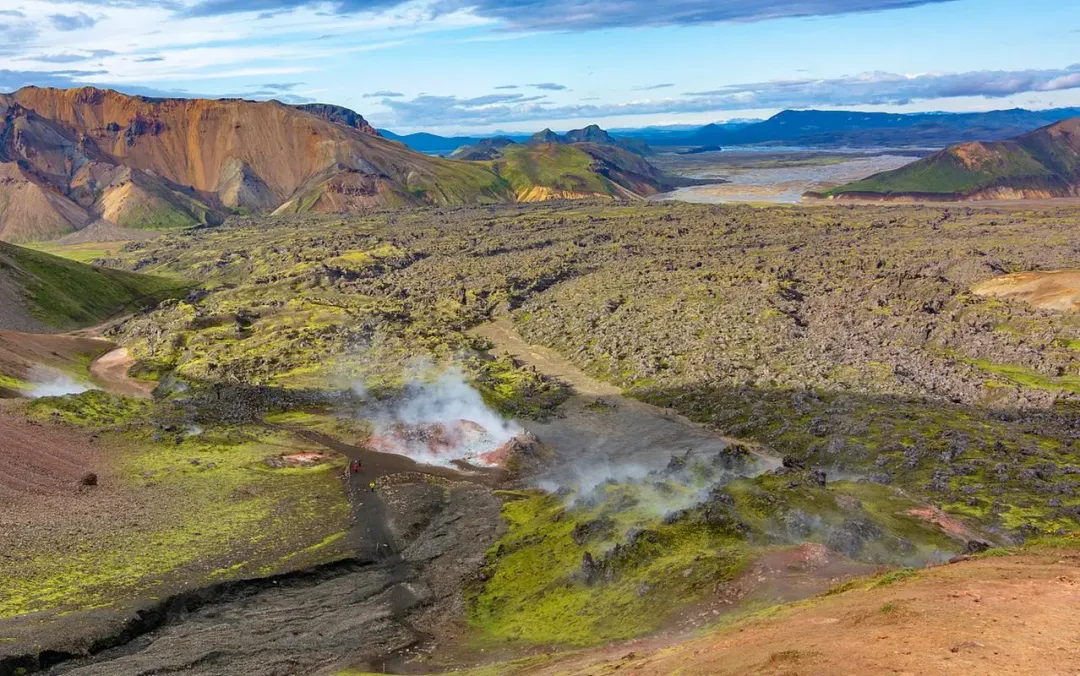
The climates of the four regions are all different, with diverse climatic conditions. The western coastal region has a tropical rainforest climate, with an average temperature of 23-25°C; the basins of the central Andes have a tropical savanna climate, while the mountains have a subtropical forest climate, with permanent snow above 4,000 m in altitude, a rainy season from December to June of the following year, and a dry season from July to November. The eastern Amazon region has a tropical rainforest climate, hot and humid with abundant rain all year round, and an average annual rainfall of between 2,000-3,000 mm. It is precisely because Ecuador has such diverse terroir and climates, abundant rainfall, as well as natural resources such as volcanic soil and rivers, that it is inherently an ideal region for growing coffee.
As a country that produces both Arabica and Robusta coffee, Ecuador's Arabica coffee trees are mostly concentrated in the highland volcanic areas of the central Andes, roughly divided into two major highland areas, north and south, with the harvest period from March to October each year. The northern region mainly comprises Carchi, Imbabura and Pichincha, while the south mainly comprises Loja, Azuay, and Zamora Chinchipe.
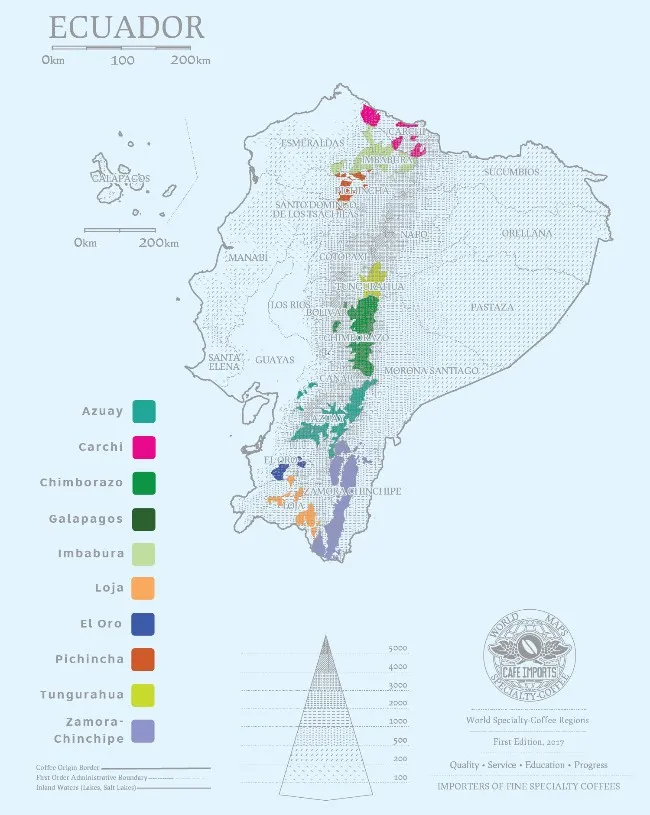
Loja is located in southern Ecuador, right next to the Andes, and is one of the highest-altitude coffee-growing regions in the world, with growing altitudes of 1,450-2,000 m. At midday the area is filled with thick fog coming from the Pacific Ocean, which allows the region to maintain sufficient humidity. The local high altitude, unique microclimate, and fertile, high-quality soil are all very suitable for coffee growing, providing superior coffee-growing conditions, and Loja is currently an important coffee-exporting city in the country. In addition, this producing region has quite a few well-known estates, such as El Dorado and La Noria, both of which are growers familiar to domestic enthusiasts.
La Noria belongs to the rural areas of the CVM coffee company, an Ecuadorian agricultural company founded by Bernard Uhe and his family, who come from a Colombian coffee-growing family, and which has many years of coffee-growing experience.
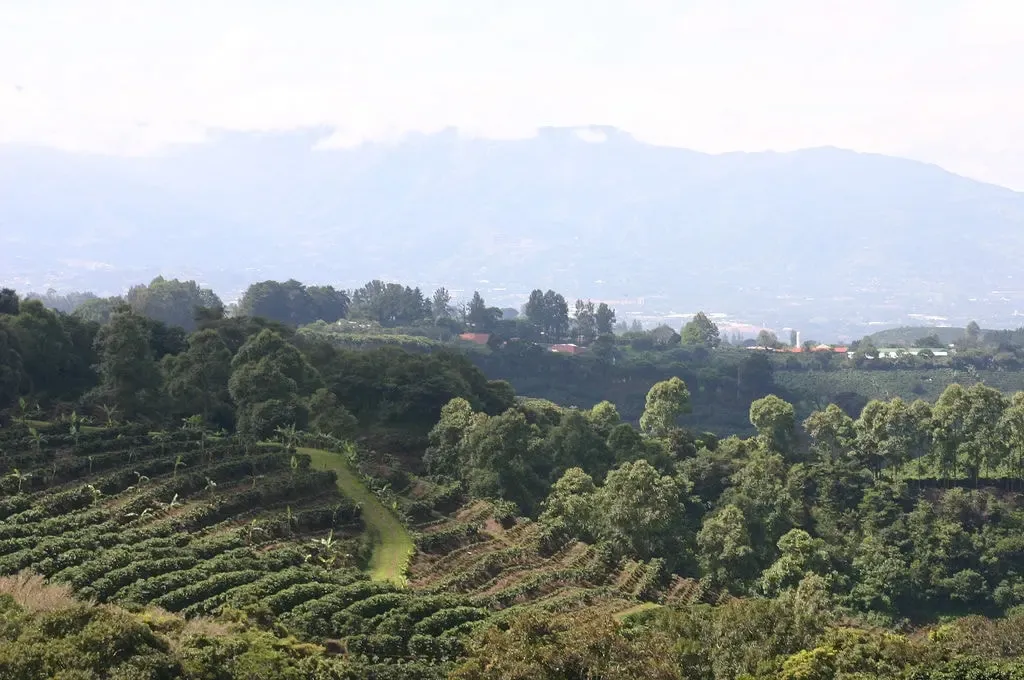
The estate was established by the company together with local people. At its inception, the estate served as a seedling base for CVM, and later gradually expanded into coffee harvesting and processing operations. In 2022, Noria Estate won second place in Ecuador's COE with a Geisha scoring 89.35 points, and at Ecuador's 2023 COE, Noria Estate took first place with a Geisha scoring 91.22 points.
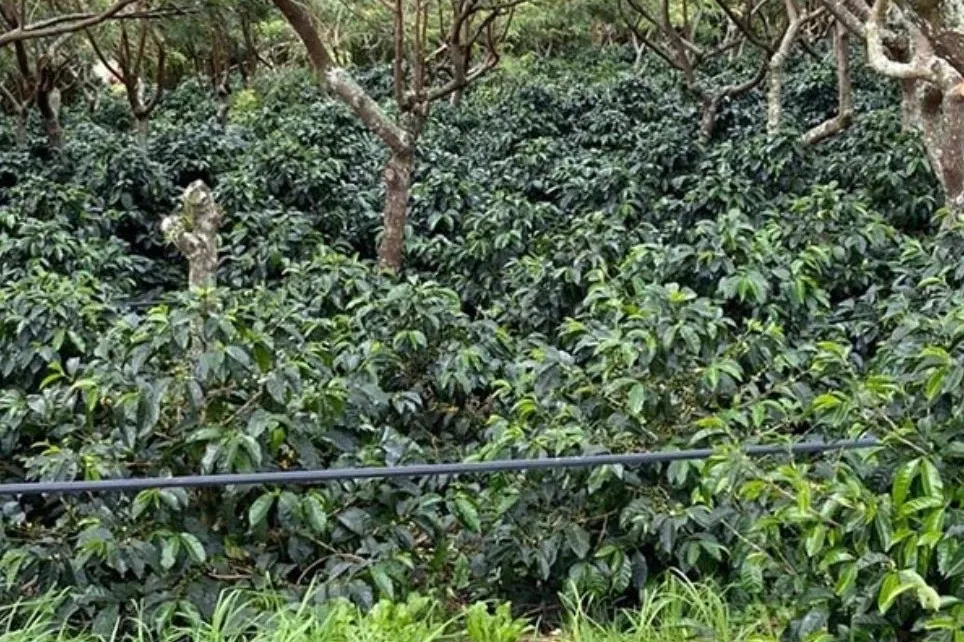
Such outstanding results are possible because Noria Estate's growing altitude is approximately 2000-2300 m, with conditions such as high altitude, fertile soil, mineral-rich mountain water, shade and ample sunlight, which are what make it possible to produce high-quality coffee. Currently, the main varieties grown are Geisha Geisha, Typica Typica, SL28 and others.
Related Reading







Comments (0)
Loading comments...
You May Be Interested



Trending Reviews
Popular Videos

With you, wherever you are! We provide useful features to help you find new things you'll love






