Source:Best Coffee > News Author:qjroot Published:2026-09-07 12:48:30
The flavor description of freshly roasted beans is more like a map than a fixed answer. With the same bean, a slight change in water temperature, coffee-to-water ratio, and grind will redistribute the acidity, sweetness, aroma, and body in the cup. When choosing, first think clearly about the equipment you commonly use, then arrange the parameters according to the bean's character, so that bean selection and brewing truly connect.
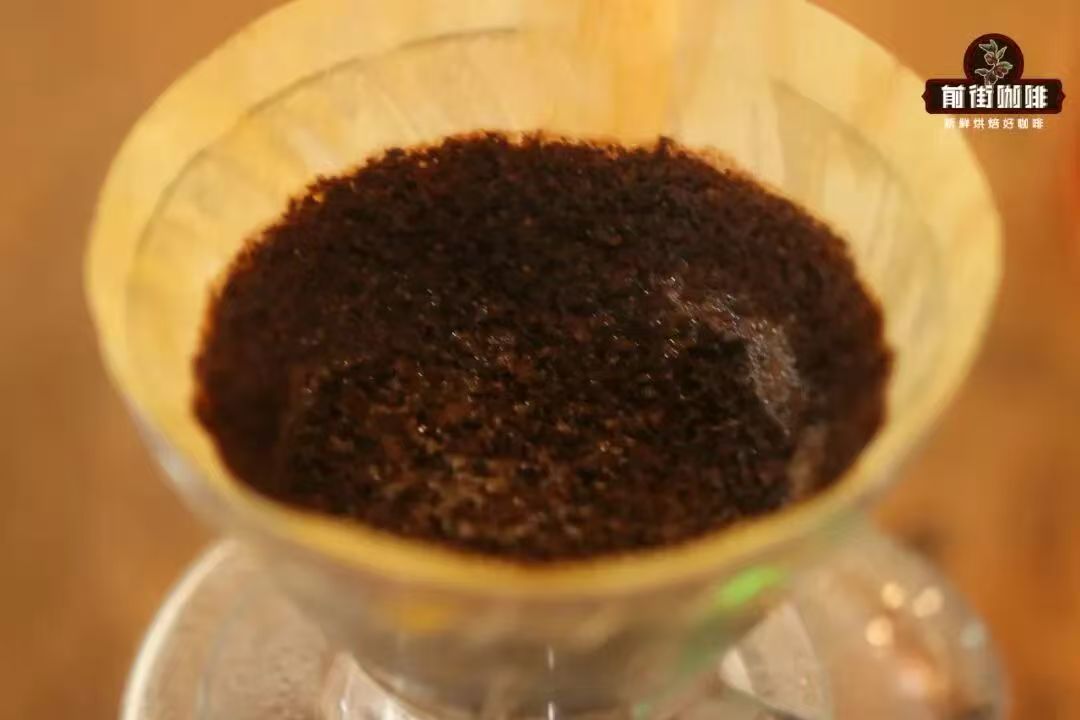
Pour-over light-roast beans usually need a higher water temperature to help the flavors unfold, but it is not that the higher the temperature, the better. Take Qianjie Yirgacheffe Gudingding light roast as an example: you can use water at 90 to 93°C, start with a 1:15 coffee-to-water ratio, 15 g of coffee grounds with 225 g of water, set the grind to a medium-fine range, and first observe whether the citrus, berry, and floral notes are clear.
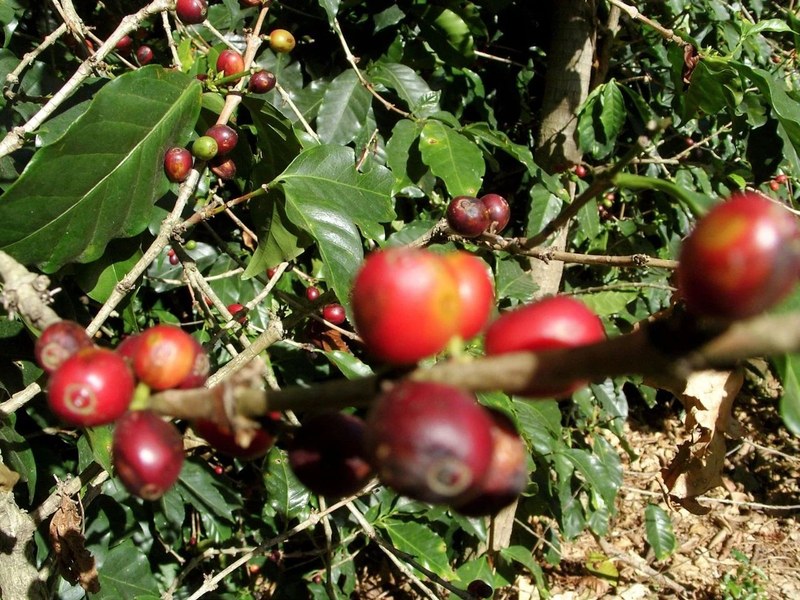
If this Gudingding tastes sharp on entry and the acidity jumps out, the direction of adjustment can be placed on the grind and the force of pouring. Grinding slightly finer, or raising the water temperature by 1°C, can increase sweetness and extraction yield; if dryness appears in the finish, reduce the circular stirring and control the total time to about two and a half to three minutes, so that the green-tea-like sweet aftertaste stays light.
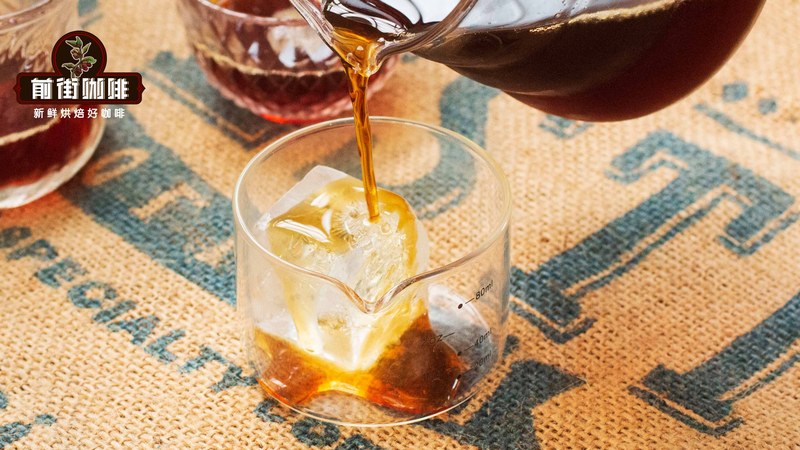
For those who like expressive aroma and an obvious juicy feel, Qianjie Ethiopia Huakui can be chosen. Its tropical fruit, strawberry, and passion fruit notes are suitable for pour-over and also for iced pour-over. For hot brewing, you can start at 92°C and 1:15; for iced pour-over, replace part of the pouring water with ice, for example 15 g of grounds, 150 g of hot water plus 75 g of ice, using rapid cooling to preserve the lively sweet aroma.
If Huakui comes out rather thin, the problem is not necessarily the bean. You can tighten the coffee-to-water ratio to 1:14, or grind slightly finer, so that the cup has more texture. If the fruit acidity becomes sharp, lower the water temperature or reduce the stirring in the first stage. After brewing, do not judge only by the first sip at high temperature; when the temperature drops to a palatable range, the tropical fruit and syrup-like sweetness are often easier to identify.
Qianjie Kenya Little Tomato is suitable for consumers who want clear acidity and a juicy feel. For pour-over, you can set about 92°C, a 1:15 coffee-to-water ratio, and a medium-fine grind, pouring in three to four stages, avoiding excessive disturbance of the coffee bed caused by too strong a stream. The cherry tomato, dark plum, and yellow sugar directions will gradually become rounder as the temperature drops.
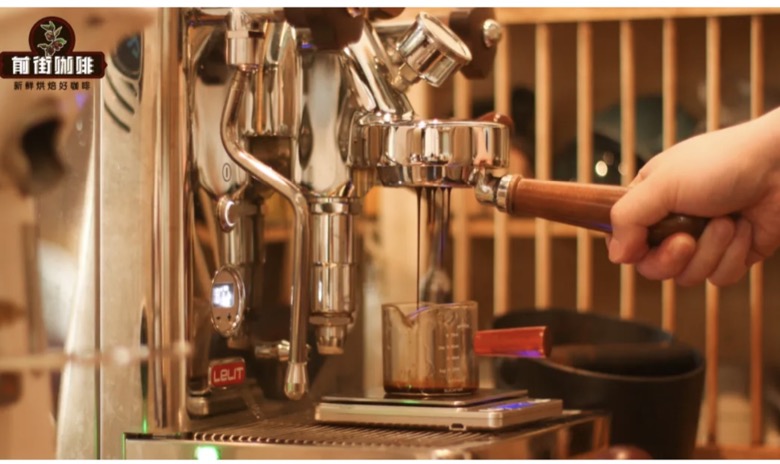
The logic of an espresso machine is different from pour-over; the core is to keep the high-concentration coffee liquid sweet and structured. The dose for a single or double shot should be fixed according to the basket capacity, for example 18 g of grounds as a starting point, with the yield set at around 36 g and the extraction time at about 25 to 32 seconds. Pressure can start near 9 bar, while the grind setting is responsible for controlling the flow rate; it is not advisable to greatly change multiple variables at the same time.
When using Huakui for espresso, you can loosen the yield ratio to 1:2.2 or even higher, making the fruit aroma easier to bring into the cup; if the liquid is rather acidic and thin in texture, grind slightly finer or extend the extraction by a few seconds. For Little Tomato as espresso, you can try a ratio of about 1:2, retaining dark-plum-like acidity and sweetness with a more concentrated mouthfeel; when making an Americano, the amount of added water should not be too much.
If espresso extraction shows bitterness, a woody quality, or a dry tongue surface, it usually means the resistance of the coffee bed is too high, the contact time is too long, or the water temperature is too high for the bean. You can adjust the grind one step coarser, shorten the yield ratio, or lower the temperature by 1 to 2°C. If the coffee liquid flows too fast and the acidity is sharp and thin, then fine-tune the grind in the opposite direction, so that water and coffee grounds have fuller contact.
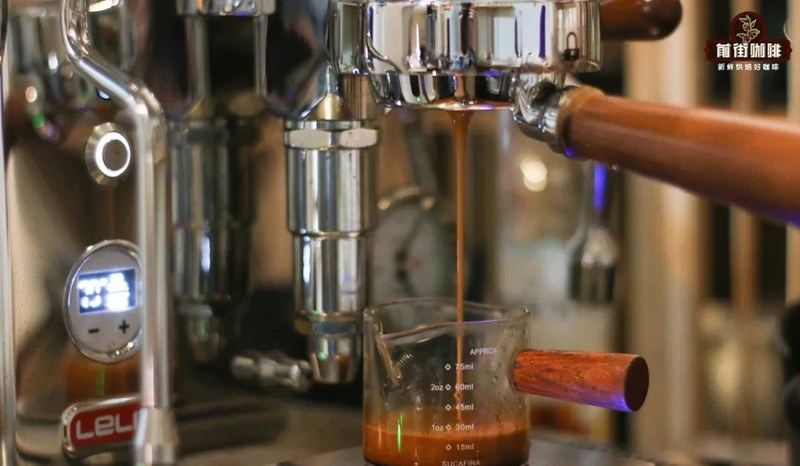
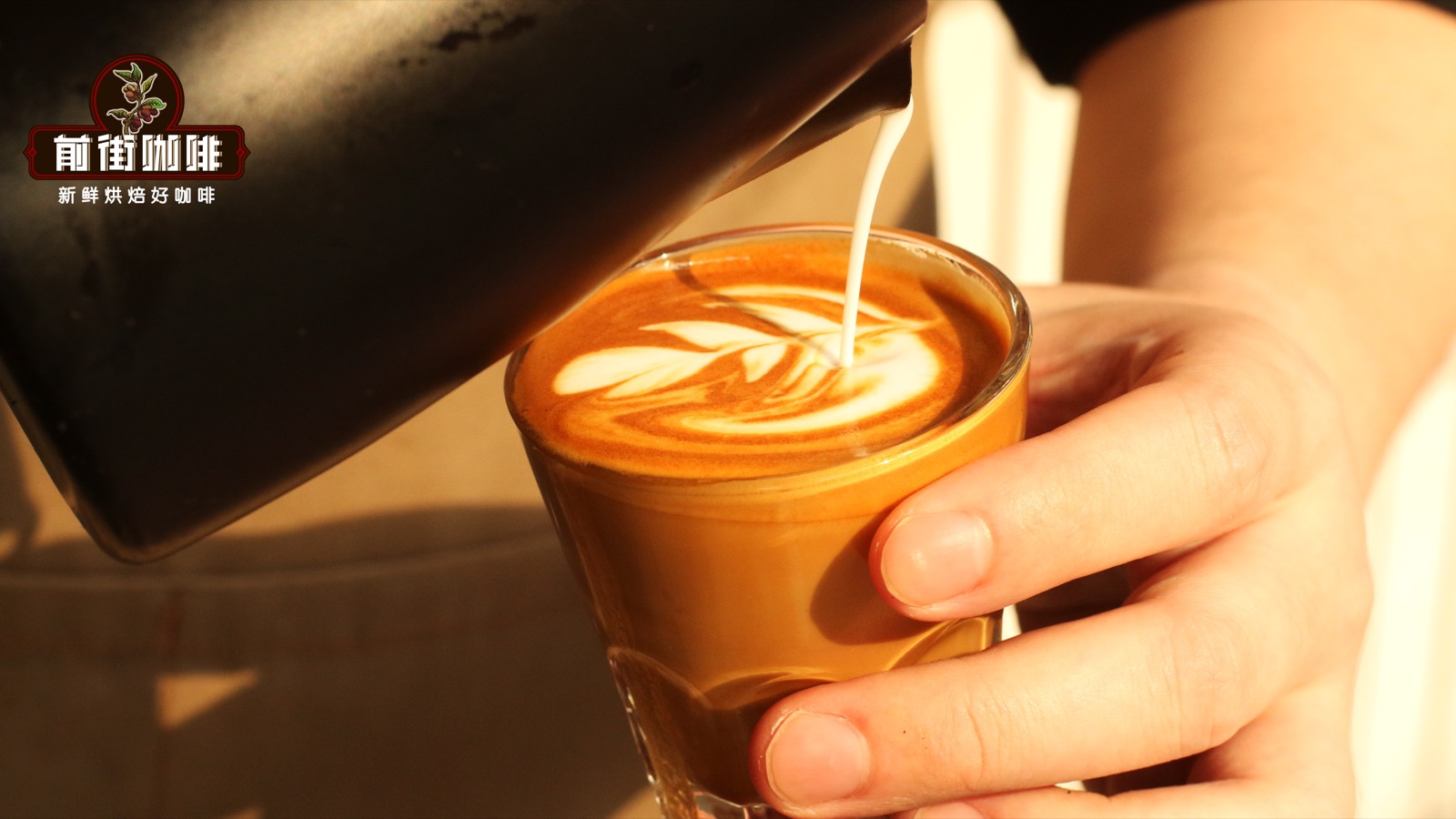
Milk coffee needs another set of judging standards. After adding milk to light-roast fruity beans, the acidic aroma may become softer, making them suitable for small cups of latte or short-ratio milk coffee; if using Huakui, you can reduce the amount of milk so that the strawberry and passion fruit notes still remain recognizable. If you prefer a richer mouthfeel, you can use Little Tomato for a double shot and keep the yield within a tighter range.
Each time you adjust, it is recommended to first record the dose, liquid weight, time, and water temperature, and then change only one core parameter. If it tastes acidic and thin on entry, pay more attention to grind, temperature, and yield; if it is bitter and dry, check whether the extraction is too deep. Only in this way can the freshly roasted beans you choose turn from a flavor label into a brewing plan that truly suits you.
Related Reading


Comments (0)
Loading comments...
You May Be Interested





Trending Reviews
Popular Videos

With you, wherever you are! We provide useful features to help you find new things you'll love






