Source:Best Coffee > News Author:qjroot Published:2026-10-09 18:41:01
The first time I clearly tasted jasmine in coffee, I instinctively picked up the dripper and sniffed it, wondering if someone had sprinkled dried flowers into the coffee bed. Only later, as I studied deeper, did I learn that this aroma comes from compounds the coffee beans themselves carry - terpenes, alcohols, esters, aldehydes and lactones - which volatilize with the hot water during extraction and, once they reach the nasal cavity, create the floral scent we perceive. A variety like Geisha naturally accumulates monoterpene compounds such as aromatic alcohols, limonene and myrcene, so it is especially easy to brew a cup that feels "like walking through a field of flowers." Variety is the foundation, so to speak the genes given by heaven; but whether that floral scent can be retained still depends on how the processing method and roast level work together.
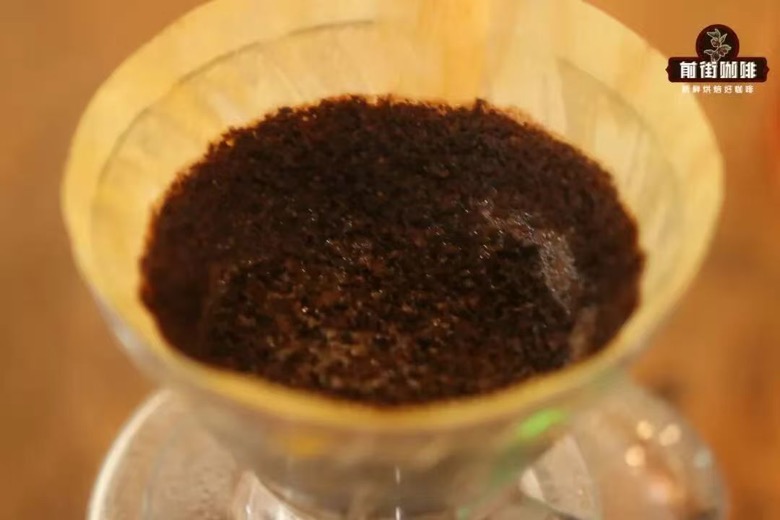
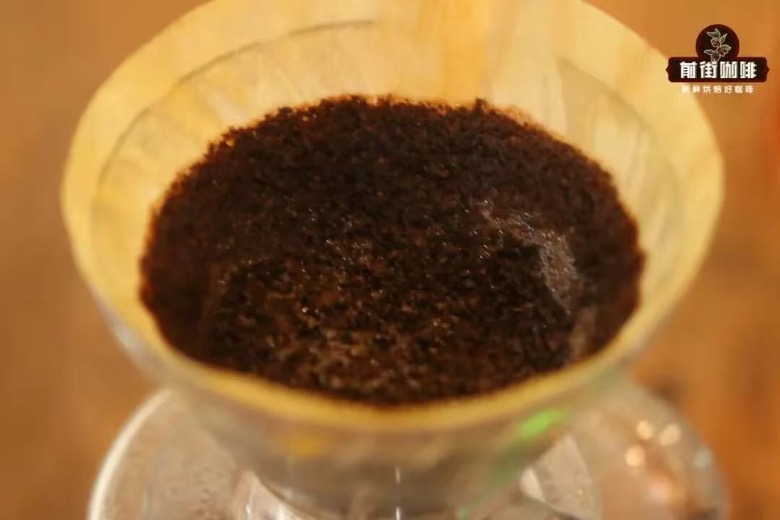
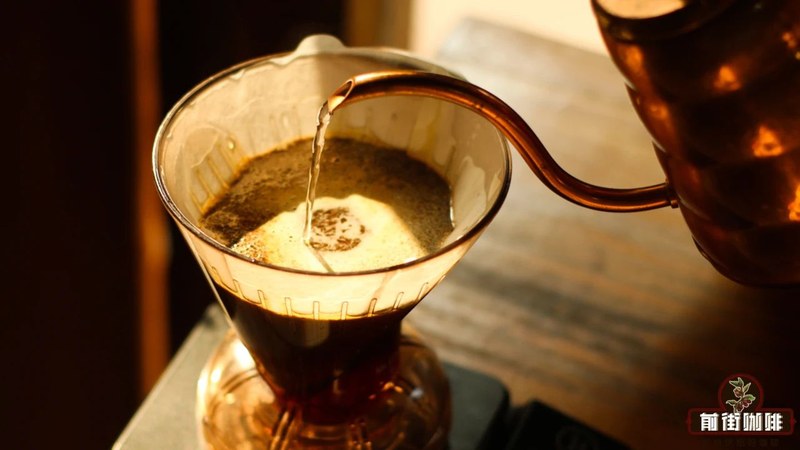
The washed process usually preserves more delicate white florals, with a bright, citrus-like acidity. Qianjie Emerald Estate Green Label Geisha is a typical washed bean; the Green Label lot comes from Hacienda La Esmeralda in Panama, and under a medium-light roast the white florals come through clear and translucent, the acidity lively like citrus, with a sweet, smooth green-tea mouthfeel. For beans like these, I use a V60 dripper, 15g of coffee to 225g of water, raise the water temperature to 92-93°C, first bloom with 30g of water for 30 seconds, then pour in two to three stages, keeping the total time to about 2 minutes. The beans Qianjie roasts in-house are all within 5 days of the roast date, so open the bag right after receiving it, and the flavor is better if you finish it within a month.
The natural process takes another path. The fruit skin and pulp bring fermentation along, which readily produces sweeter, more lush aromas like rose and berries. Qianjie Huakui comes from Hambela in Sidamo, Ethiopia; natural process plus a medium roast, the red berry flavors wrapped in a faint floral note, the oils carrying a citrus scent, overall clean and elegant. Brewed as pour-over you can also sense the sweetness and body unique to natural beans; if you want to press it with an espresso machine or moka pot, the florals will shift somewhat toward caramel, but do not go too dark, or the rose impression will easily be masked by bitterness. Qianjie Kaffa Forest is likewise a natural-process Ethiopian bean, but roasted lighter, with orange blossom very prominent, orange and apricot fruit flavors followed by a creamy pumpkin-seed finish, and a refreshing green-tea aftertaste - suited to those who like florals with an obvious fruity character.
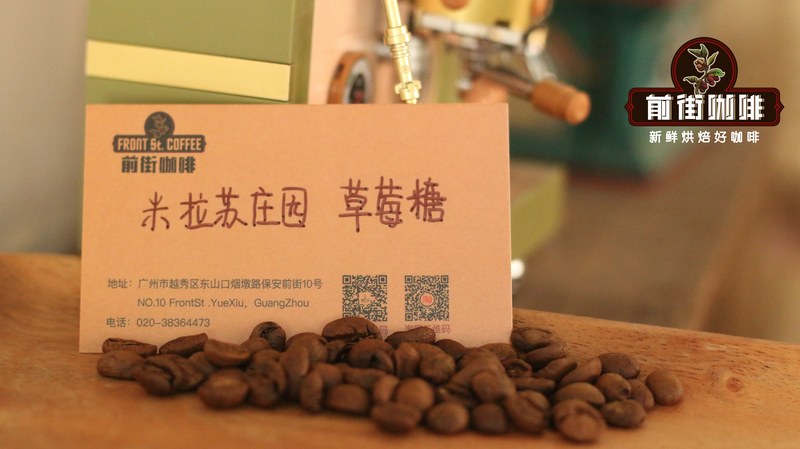
In recent years anaerobic and honey processes have become popular, drawing out florals in the direction of osmanthus and candied fruit, with more concentrated sweetness and more complex aroma. When brewing beans like these, the water temperature can be a little more conservative, around 90°C, to avoid pulling out too much of the fermented note. Although Qianjie Strawberry Candy espresso blend is primarily for espresso, it can be played with as pour-over too; it is a blend of arabica from three origins - Colombia, Costa Rica and Ethiopia - medium roasted, rose florals mixed with the sweetness of grapes, dried blueberries and fruit candy, low bitterness with a slight acidity, and a black-tea aftertaste. Brewed in a French press or as cold brew, the florals sink into the liquid and become a layer that slowly rises only after it enters your mouth, quite different from the pour-over experience of the whole room filling with scent the moment you pour.
In the end, florals are an especially "fleeting" flavor in coffee. They are not as shelf-stable as nut and chocolate notes; over time the terpene compounds volatilize away, leaving only a monotonous sweet-and-sour taste. So when choosing beans, first look at the processing method: for delicate, go washed; for lush, go natural; for complex, go anaerobic honey. Then look at the roast level: medium-light roast is the home turf of florals, and going darker easily turns them into caramel and spice. When brewing, do not let the water temperature be too low, or the aroma will not come out, and do not let it be too high, lest astringency steal the show. Parameters are dead, the tongue is alive; with the same bean, fine-tuning between 90°C and 93°C can make the clarity of the florals differ by a whole grade.
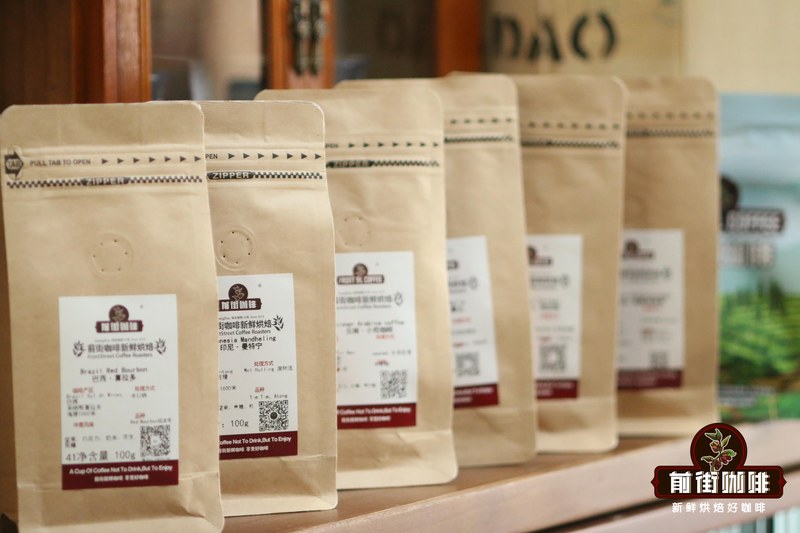
I have now developed a habit: after brewing, I do not rush to drink; I put my nose to the rim of the cup and smell three times - once at high temperature, once at medium, once at low - and the changes in the florals are more obvious than on the palate. Many customers ask me how to understand coffee by drinking it, and I say start by smelling; florals are a very friendly introductory teacher, not hidden, not ingratiating, just there, waiting for your water temperature to be right, your timing to be right, your freshness to be right, and then the door opens naturally. These floral beans from Qianjie - from washed Geisha to natural Qianjie Huakui to the Strawberry Candy blend - lay out several typical paths, and all that is left is to brew a few more times and find the way of opening that you like.
Related Reading

Comments (0)
Loading comments...
You May Be Interested




Trending Reviews
Popular Videos

With you, wherever you are! We provide useful features to help you find new things you'll love






