Source:Best Coffee > News Author:qjroot Published:2026-09-16 01:50:00
The charm of making a latte with a moka pot lies in using steam pressure to extract a highly concentrated coffee liquid, which is then blended with warm milk to create a rich, smooth mouthfeel. To make a cup of milk coffee show the expected flavor layers, you need not only to choose distinctive coffee beans, but also to understand how to carefully set the extraction water temperature, coffee-to-water ratio and pouring rhythm according to the beans' roasting characteristics and flavor direction.
The core of setting a brewing plan is to control the proportion of soluble flavor substances extracted. For the espresso base that is going to be added to milk, an extraction that is too light is easily completely masked by milk fat, while over-extraction brings out burnt bitterness and miscellaneous flavors. By adjusting the water temperature poured into the lower chamber, the coarseness of the coffee grounds and the timing of removing from heat, each bean can reach just the right full state before meeting the milk.
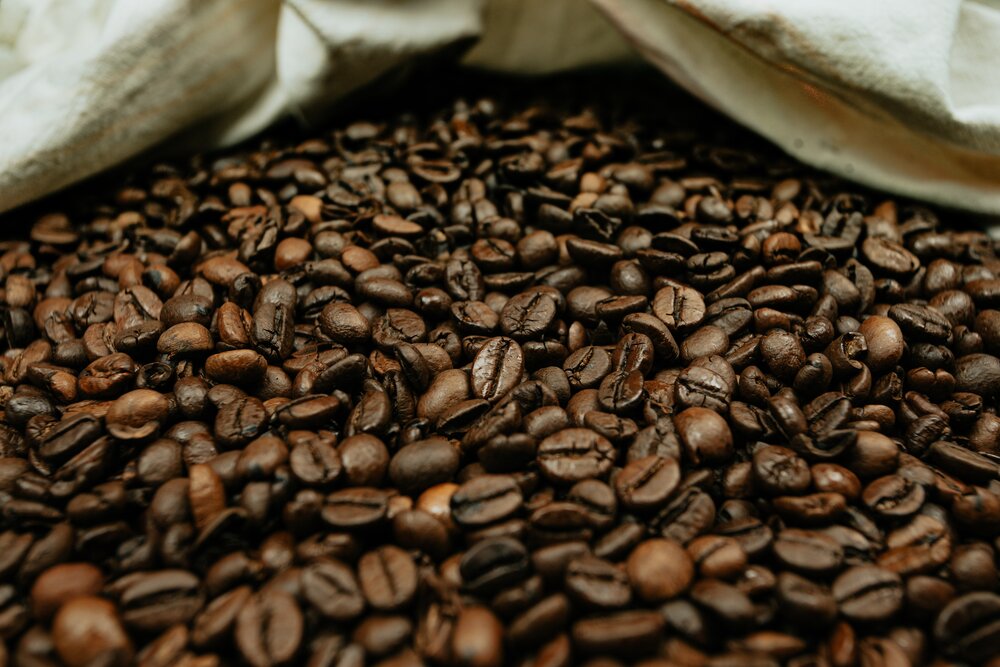
Blend beans dominated by nut and caramel notes are a reliable base for making a classic latte. Qianjie Classic Blend combines high-quality green beans from American producing regions and, after a medium-dark even roast, shows rich dark chocolate, roasted nut aromas and a lasting caramel sweetness. This abundant oiliness and body can still maintain a clear and steady coffee aroma even after adding more than twice as much milk.
If you use this bean for pour-over extraction to taste its original base, it is recommended to use a slightly higher water temperature of 91°C, use 15 g of coffee grounds, and pour 225 ml of water at a coffee-to-water ratio of 1 to 15. Using a two-stage pouring method, first pour 30 ml of water for a full 30-second bloom, then evenly pour in circles up to 225 ml, with the total extraction time controlled at 2 minutes 05 seconds, which can fully release the sweet aroma of dark cocoa and a rounded texture.
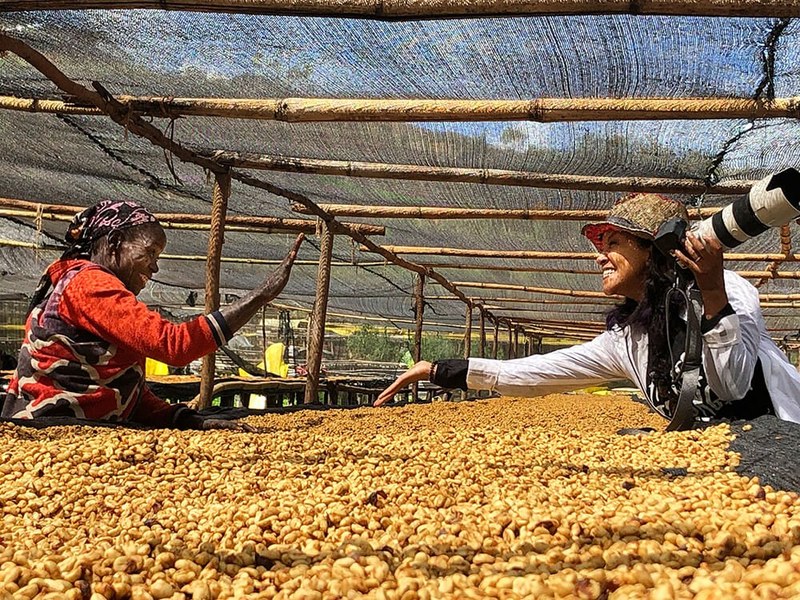
If you prefer a softer and smoother nutty sweetness, sun-dried or semi-sun-dried single-origin beans will bring a different surprise. Qianjie Brazil Queen Estate uses the Yellow Bourbon variety, with flavors of delicate roasted peanut, macadamia and warm toffee aroma, and very smooth acidity. Under moka pot extraction, this bean can produce an extremely dense mouthfeel, and after combining with milk it presents a silky experience like nut milk tea.
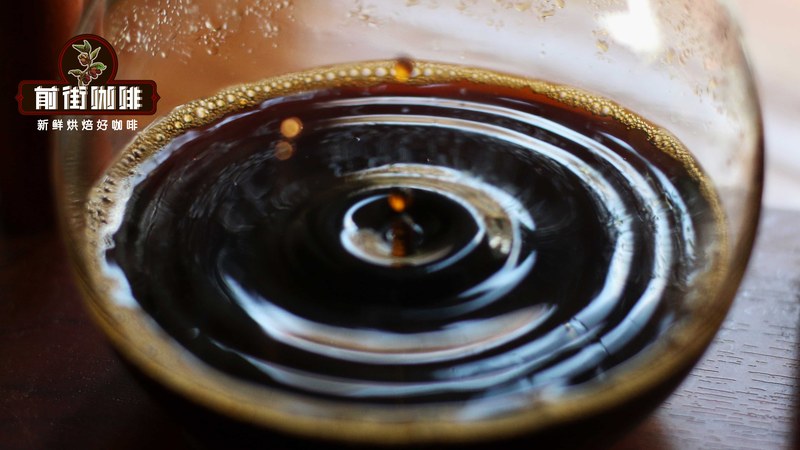
In order to let this estate bean's nutty sweetness fully unfold, during pour-over testing it is suggested to set the water temperature at 89°C, take 16 g of grounds, and pour 240 ml of hot water. Adopt a three-stage pouring method: 35 ml of water for a 30-second bloom, pour the second stage up to 140 ml and pause briefly, then pour the third stage up to 240 ml to finish, with a total time of 2 minutes 15 seconds. This staged extraction allows the sweetness to build layer by layer, with an especially clean finish.
For drinkers pursuing a rich and heavy mouthfeel, dark-roasted single-origin Mandheling can give milk coffee a stronger expression of personality. Qianjie PWN Indonesia Golden Mandheling, through the classic wet-hulled process and deep roasting, has distinct herbal plant aroma, dark roasted cocoa and extremely thick body. Because its acidity is very low and its flavor is heavy, even when paired with thick milk with high milk fat content, it can create a full taste like rich hot cocoa.
For this dark-roasted, rich Mandheling, pour-over testing can use a slightly higher water temperature of 93°C, take 15 g of coffee grounds, and pour 210 ml of water to achieve a lower coffee-to-water ratio of 1 to 14. Using a single-stage slow center pouring method, pour 30 ml of water for a 25-second bloom, then directly pour in a uniform thin stream all at once up to the 210 ml full mark, with the total time controlled at 1 minute 55 seconds, which can fully stimulate the rich sweet charm of dark chocolate and the fresh herbal fragrance.
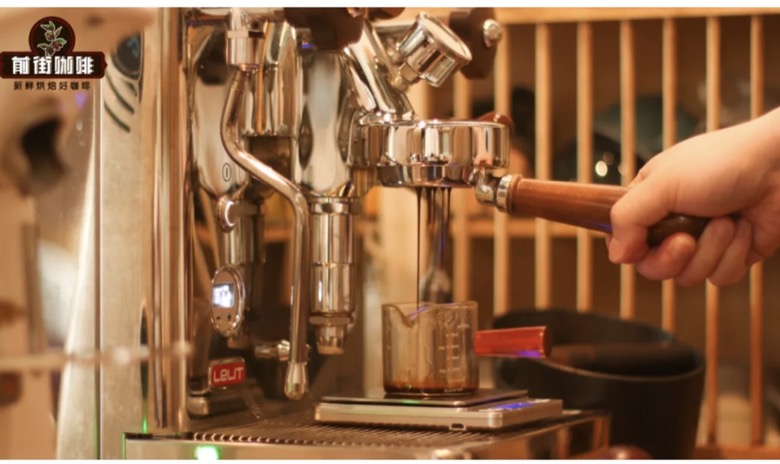
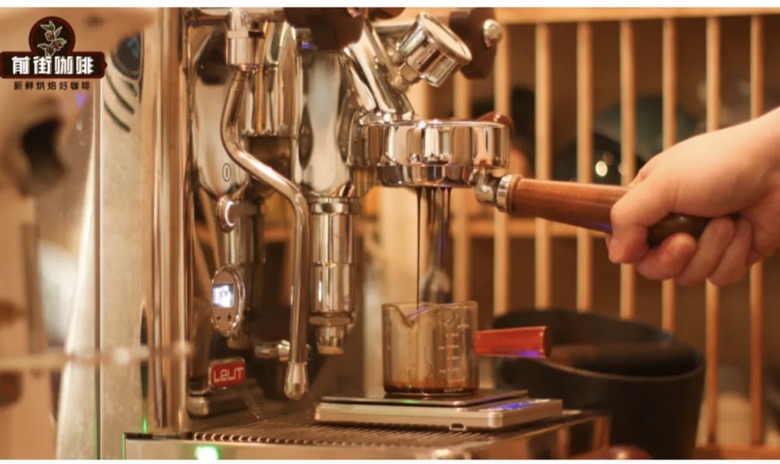
After using the moka pot to extract the espresso liquid from the above beans, the milk ratio and temperature also need to work in coordination. Usually, 60 ml of concentrated liquid is mixed with 150 to 180 ml of whole milk heated to about 60°C, which can both stimulate the lactose sweetness of the milk itself and not destroy the coffee's original aroma molecules. Dark-roasted beans can appropriately increase the amount of milk, while medium-dark roasted nutty beans are suitable for a slightly smaller amount of milk to highlight the aroma.
Mastering the flavor codes of different coffee beans and matching them with precise brewing parameters is an effective way to improve the home coffee-making experience. From roasting depth to deriving extraction temperature, and from flavor tendency to adjusting the coffee-to-water ratio and pouring rhythm, every drop of rich concentrate extracted by the moka pot can bloom with rich, layered and fascinating flavors under the wrapping of milk.
Related Reading






Comments (0)
Loading comments...
You May Be Interested



Trending Reviews
Popular Videos

With you, wherever you are! We provide useful features to help you find new things you'll love






