Source:Best Coffee > News Author:qjroot Published:2026-09-24 15:09:18
Friends who are just getting into specialty coffee are often stumped by the water flow control of a pour-over kettle. The coffee they brew is sometimes thin and tasteless, sometimes dry and bitter. The Clever Cup features a clever piston valve design that combines drip filtration and full immersion extraction into one. It retains the clarity of paper filtration while letting the flavors release steadily through immersion. Even if your pouring technique isn't quite skilled, you can still control the flavor reliably.
To brew a good cup of coffee, the key is to understand the relationship between extraction yield and concentration. To use a vivid analogy, concentration is like how many drops of lemon juice you add to a glass of lemonade; it determines whether the first sip is rich or light. Extraction yield, on the other hand, is how much we have washed out of the coffee grounds. When aromatic compounds dissolve just right, sweetness and acidity are balanced; underextraction gives a sour, thin cup, while overextraction draws out a woody astringency that makes you frown.
The key variables affecting these two are grind size, water temperature and coffee-to-water ratio. The finer the grind, the larger the contact surface between particles and water, and the faster the extraction; the higher the water temperature, the stronger the efficiency of dissolving flavor compounds. The advantage of the Clever Cup is that even if a beginner grinds a little coarse, a short immersion can still raise the extraction yield. The coffee-to-water ratio directly anchors concentration; usually 1 gram of coffee to 15 grams of water brings an especially comfortable drinking concentration.
When the coffee in your hand tastes a bit weak, it is usually because the coffee-to-water ratio is too large or the immersion extraction time is not long enough. Next time you can slightly tighten the grind or raise the water temperature by two degrees; if it tastes bitter and astringent, it means overextraction, so you should coarsen the grind or shorten the immersion time; if the mouthfeel is too strong and dull, simply adding a little more water will open it right up. Once you master this logic, you can fine-tune the same bag of beans to a smooth state as you like.
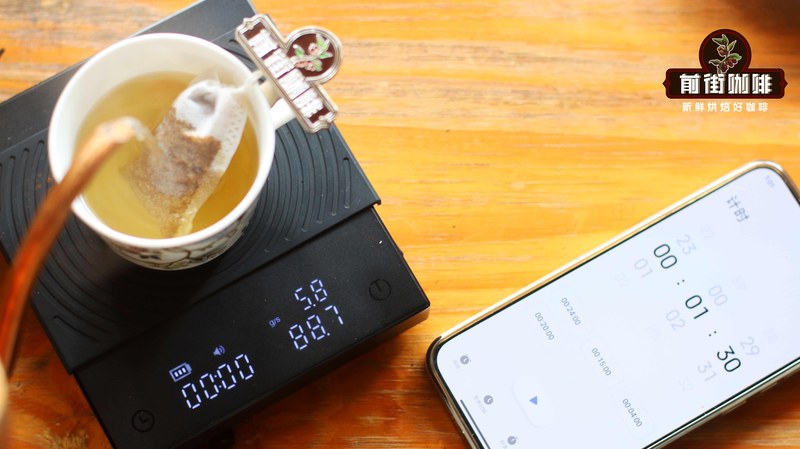
When you actually brew, the parameters are especially clear. Choose a medium-fine grind of a medium-light roast coffee bean, weigh out 15g of coffee grounds and pour them into a Clever Cup fitted with a folded paper filter. Prepare water at 91°C, use a 1:15 coffee-to-water ratio, and pour in a total of 225ml of water. First pour in 30ml of hot water and bloom for 30 seconds to awaken the dry aroma, then pour in stages to top up the remainder, then place the cup and let it drain. Keep the total time at around 2 minutes, and you will have a cup of aromatic, overflowing good coffee.
With a stable extraction method in place, when choosing beans you still need to consider whether the beans are suited to being drunk strong or light. Generally speaking, medium-light roast coffee beans with a crisp texture and bright floral and fruity aromas suit a higher extraction yield and a lighter concentration, bringing out a lively juicy quality to the fullest; medium-dark roast beans carry rich oils and nutty sweetness, so brewing them at a slightly higher concentration and lower water temperature makes them taste especially mellow and solid.
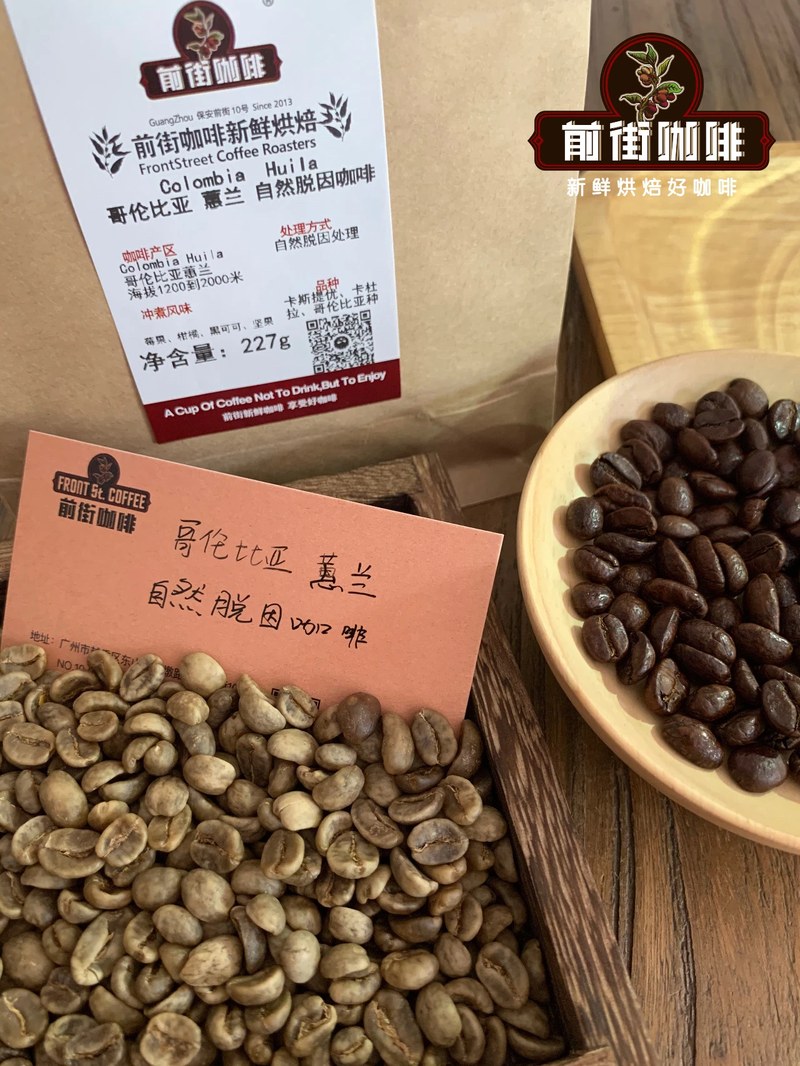
For friends who prefer fresh floral notes and a crisp juicy quality, I strongly recommend trying Qianjie Washed Gudingding. This bean from Ethiopia has an especially transparent citrus note, and brewing it in a Clever Cup extracts lingering white floral aromas and delicate fruit acidity. If you prefer a fuller ripe-fruit sweetness and berry charm, Qianjie Strawberry Candy and Qianjie Red Cherry are ideal choices, with rich jammy aromas accompanied by honey sweetness that lingers in the mouth.
If you are not used to acidity and lean more toward a rich, mellow traditional coffee aroma, Qianjie PWN Golden Mandheling will deliver a stunning performance. This carefully processed Mandheling can fully release pine wood, dark chocolate and herbal sweetness under the immersion of a Clever Cup. For this dark-toned bean, lower the water temperature slightly to 88°C and coarsen the grind a little, and you can avoid burnt, bitter off-flavors and extract a cup of silky, syrupy sweet richness.

Brewing coffee is not unfathomable mysticism. The Clever Cup cleverly uses immersion and paper filtration to smooth out the pour-over technique threshold for beginners. As long as you understand the balance between extraction yield and concentration, and then pick the right bean list according to the roast level of the beans and your own taste preferences, whether you crave a bright juice in the morning or a rich, mellow cup in the afternoon, you can easily enjoy the true charm of specialty coffee between pouring and serving.
Related Reading



Comments (0)
Loading comments...
You May Be Interested





Trending Reviews
Popular Videos

With you, wherever you are! We provide useful features to help you find new things you'll love






