Source:Best Coffee > News Author:qjroot Published:2026-09-07 11:11:15
SOE concentrates the aroma, acidity and texture of a single origin into the cup, which is why it also calls for more targeted extraction. Beans with delicate floral notes suit gentle extraction, while beans with full fruit flavors can be brewed a little stronger. Once you have the coffee beans, you can use the roast level, processing method and flavor description to plan water temperature, ratio, grind and pressure, so the cup stays close to the bean's original profile.
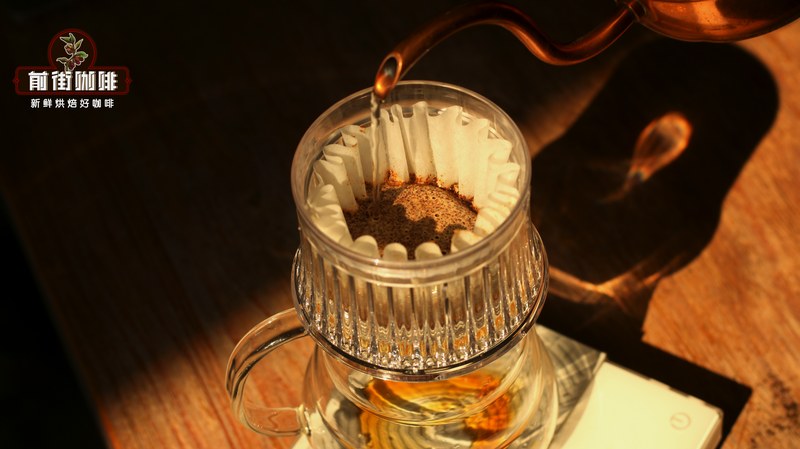
When building a pour-over recipe, you can start with 15 g of coffee grounds, 240 g of water and 91 to 93°C, with a grind close to fine sand and a total time of 2 minutes 10 seconds to 2 minutes 40 seconds. The bloom water should be about twice the weight of the grounds; wait about 30 seconds, then pour the remaining hot water in stages. These figures amount to a set of coordinates, and the actual direction should be decided by the acidity and finish on the palate.
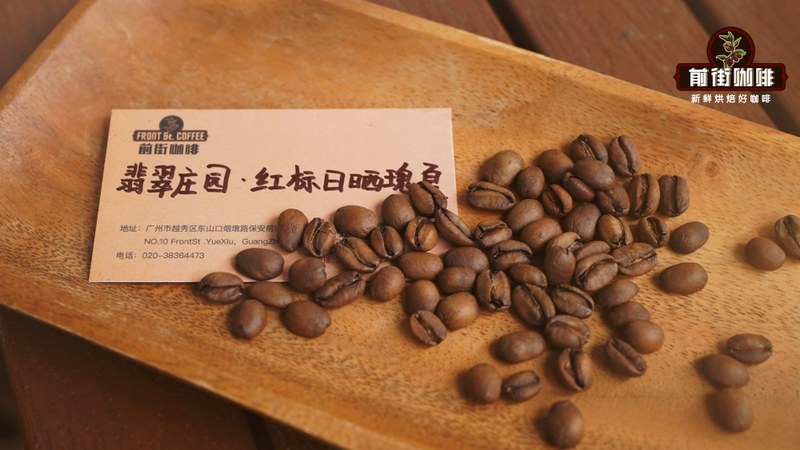
Qianjie Panama Hacienda La Esmeralda Red Label Geisha leans toward white flowers, bergamot and fresh orange in aroma, with a gentle tea note once the temperature drops slightly. For pour-over, use 15 g of grounds with 250 g of water at 91 to 92°C, ground slightly coarser than a typical light roast. Keep the pour to a thin stream, complete it in three stages, and avoid large agitation, which helps preserve clarity and a long-lasting aroma.
Qianjie Yirgacheffe Gudingding has bright citrus, red berries and floral notes, with a green-tea-like sweetness emerging in the finish. Use 15 g of grounds, 240 g of water and 92 to 93°C hot water, ground slightly finer than the Red Label Geisha. If the acidity on entry is short-lived, tighten the grind a little; if the tea-like note feels drying, reduce agitation in the later stages so the sweetness carries through more smoothly.
Qianjie Ethiopia Huakui has a bold aroma of ripe strawberry, passion fruit and tropical fruit, and comes across as especially vivid as an iced pour-over. Put 90 g of ice in the cup, add 15 g of coffee grounds to the dripper, then pour 150 g of 93°C hot water. The grind can be one step finer than for a hot pour-over, and the brew should finish dripping in about 1 minute 40 seconds; rapid cooling tightens the acidity and also concentrates the fruit sweetness.
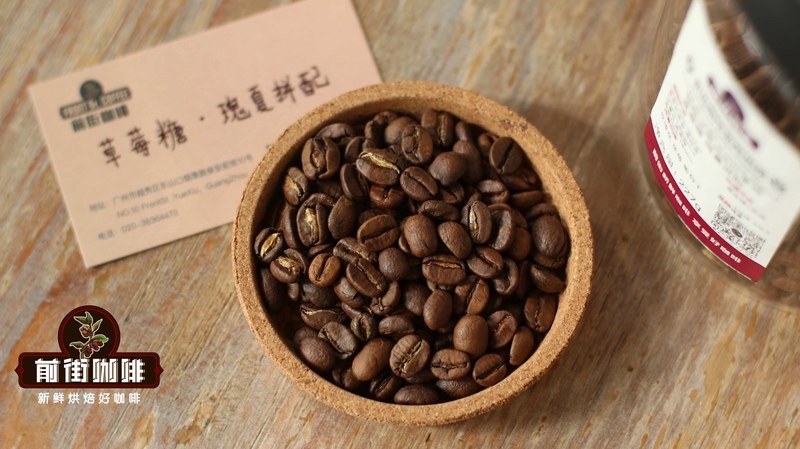
To judge whether a pour-over extraction is appropriate, pay attention to the shape of the acidity. Bright acidity followed by sweetness usually means the extraction is fairly complete; if it hits the palate sharply and lightly and the aroma fades quickly, you can raise the water temperature, extend contact time or tighten the grind slightly. If roughness and an astringent mouthfeel appear in the later stages, reduce the force of the pour or make the grind coarser.
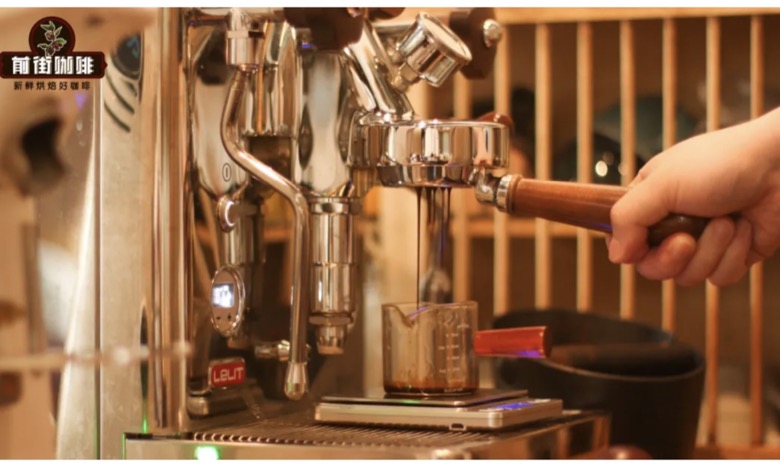
When SOE is used for espresso, the recipe needs to balance strength with aroma development. For light to medium-light roasts, you can try 18 g of grounds, 40 to 45 g of coffee liquid and 28 to 34 seconds, with the water temperature set at 92 to 94°C, pump pressure kept at 8 to 9 bar, and a 4 to 6 second low-pressure pre-infusion. A longer yield ratio opens up the fruit acidity, and it also makes the origin characteristics easier to taste than a short, concentrated shot.
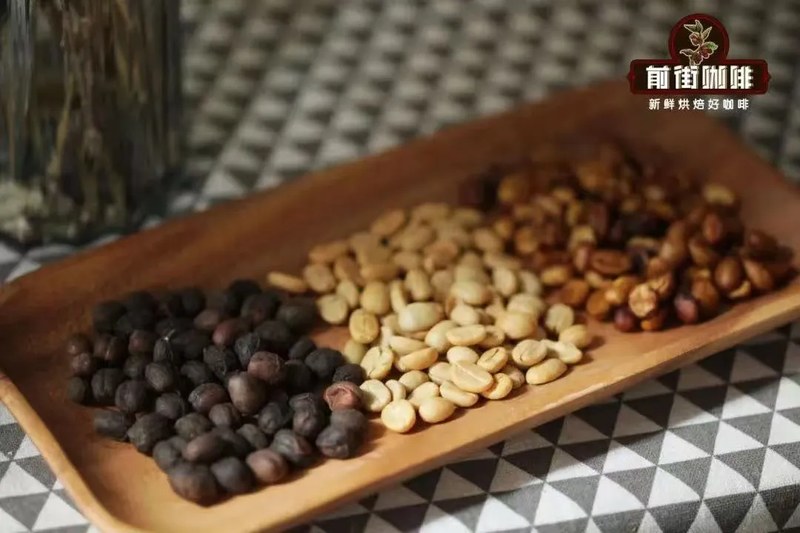
Higher pressure does not necessarily bring out more flavor. With light-aroma beans like Red Label Geisha, you can place the main extraction pressure at 7 to 8 bar and extend the liquid weight to about 45 g, which gives a clearer mouthfeel. Huakui has more concentrated fruit sweetness, so you can use about 8 bar of pressure with a 42 to 46 g yield; even as an iced americano it still retains the recognizable strawberry and tropical fruit notes.
Grind adjustment should be combined with observing flow rate. If the coffee liquid lightens quickly and the acidity in the cup feels hollow, the water is passing through the puck too easily, so you can grind finer step by step; if the flow stutters, the final stage is dark and the mouthfeel is dry, it is better to grind coarser. When distributing, spread the coffee grounds evenly, then tamp level; compared with simply increasing pressure, this reduces channeling more effectively and keeps the acidity and sweetness of the SOE coherent.
Brewing water also changes how the parameters perform. When minerals are too low, a light-roast SOE easily tastes thin; when hardness is too high, it may suppress the floral notes and add heaviness. Using drinking water with a clean smell and moderate minerals makes the recipe easier to judge. The stability of the pour-over kettle's stream, the dripper's drainage speed and the espresso machine's temperature performance should also be recorded in your brewing notes.
When drinking, it is worth observing continuously from hot to warm. In the hot stage, look at the floral and citrus notes; at medium temperature, feel the sweetness and juiciness; as it approaches room temperature, check whether the finish is clean. An SOE with suitable parameters does not only create stimulation on entry, but lets aroma, acidity, sweetness and texture unfold in sequence. Once you find that rhythm in the cup, the origin's character naturally emerges.
Related Reading
Comments (0)
Loading comments...
You May Be Interested


Trending Reviews
Popular Videos

With you, wherever you are! We provide useful features to help you find new things you'll love






