Source:Best Coffee > News Author:qjroot Published:2026-08-24 13:18:08
Before discussing regional flavors, there is actually a more fundamental question worth clarifying first: is this cup of coffee clean? Cleanliness is the baseline in the cup. A bean's floral notes, fruity acidity and sweetness only become meaningful once they stand above this line. So-called clean means there is no interference from off-flavors on entry, the sourness, sweetness and bitterness are arranged clearly, and after swallowing the mouth is fresh, without a vague, stuffy layer clinging to it.
There is a simple way to judge cleanliness: take a sip, let the coffee stay in your mouth for two seconds before swallowing, and do not focus on "whether it tastes good" first; instead scan for any abrupt flavors. Over-fermented boozy notes, damp cardboard, woody notes from stale beans, earthy fishiness - these all leave a rough feeling on the tongue. Clean coffee is transparent, like a glass of filtered juice, with no shadows between flavors, and it stays crisp and clear down to the bottom of the cup.
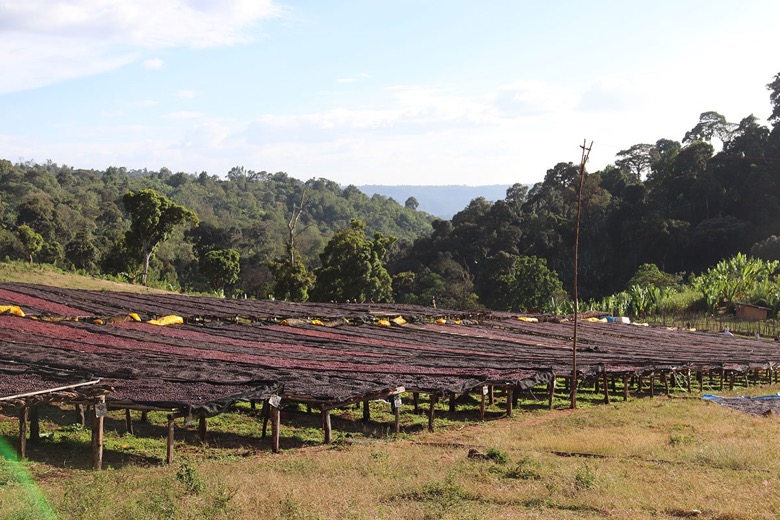
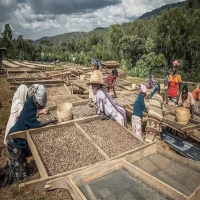
Much of what makes a region good lies in this baseline. Naturally processed beans from Ethiopia's Guji region are an excellent sample for observation. Well-handled naturals such as Qianjie Huakui still remain bright and not cloying beneath the sweet aroma of berries and tropical fruit, with the ferment character of the natural process controlled to a barely-there degree. Conversely, roughly processed natural beans have ferment flavors that smear across the whole mouth, while the fruit aroma is instead covered up.
The cleanliness of washed beans is easier to perceive. Qianjie Yirgacheffe Gudingding enters with bright citric acidity, followed by jasmine-like floral notes, then exits cleanly in the finish, and sweetness still remains at the bottom of the cup after drinking. This feeling of a "clean exit" is direct evidence of a good region plus good processing: careful selection at harvest, serious grading during processing, and the care put into every step all converge in the cup.
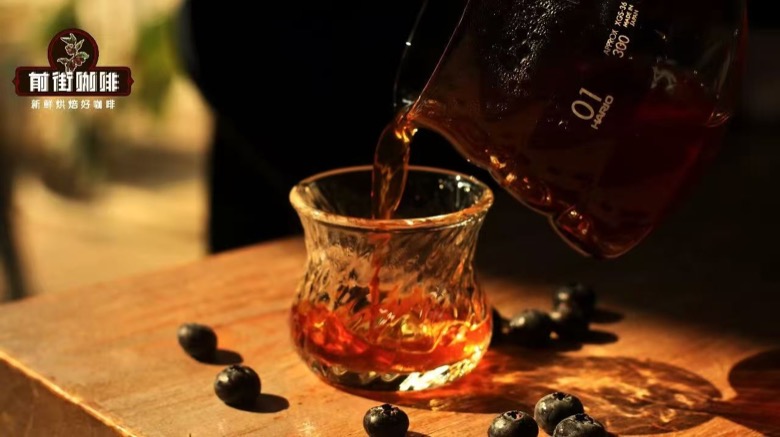
Beans from Central and South America also withstand this standard. The balance of Qianjie Colombia Huila and the elegance of Qianjie Panama Geisha are both built on a clean foundation. Geisha especially: its tea-like clarity is itself a direct presentation of cleanliness, and the slightest off-flavor would greatly diminish that light, ethereal quality. Conversely, the more delicate a bean's flavors are, the higher its demand for cleanliness, and this is also part of the reason for its price.
For daily practice in identifying cleanliness, you can start with comparison: brew two beans of different grades on the same day, first drink the finely processed one, then the ordinary one, and the difference will speak for itself on your tongue. You can also brew the same bean twice, once with stable parameters and once deliberately aggressive, and observe when off-flavors emerge. Once you have trained this baseline, when you look at a region's marketing and descriptions again, you will have your own scale in mind.
Related Reading
Comments (0)
Loading comments...
You May Be Interested


Trending Reviews
Popular Videos

With you, wherever you are! We provide useful features to help you find new things you'll love






