Source:Best Coffee > News Author:qjroot Published:2026-10-09 18:30:40
White floral notes are a flavor direction I personally favor. They are not as intense and extroverted as dark fruit and flower notes; instead, they float gently over the top of the cup, and it takes a bit of skill to catch them steadily. At the bar, I often meet customers who say they want coffee with white floral notes and also want acidity as bright as citrus, and this combination actually follows a certain logic. When choosing beans, I first look at the processing method. The cleanliness of washed beans can frame the floral notes more clearly, with less interference from fermented off-flavors; the roast level falls in the medium-light range, which preserves enough aromatic compounds while giving the acidity enough structure. As for origin, washed Geisha from around Boquete, Panama, is a classic expression of this kind of flavor, and some high-altitude Ethiopian varieties can also follow a similar path.
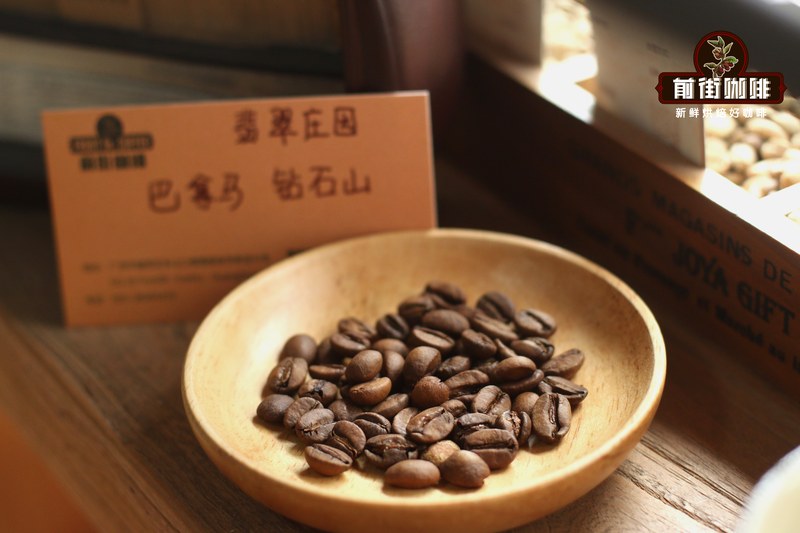
When it comes to specific beans, Qianjie Panama Boquete Geisha is an example I would actively recommend. Washed processing plus medium-light roasting lets the white floral notes open very fully, with the sweet-tart interplay of melon and citrus, and a finish with a clean sweet aftertaste reminiscent of Tieguanyin. Another one, Qianjie Hacienda La Esmeralda Green Label Geisha, also follows the washed route; the selection of Green Label lots makes the flavor more consistent, with floral notes on the elegant side, and the citrus acidity and green-tea-like mouthfeel make the whole cup seem especially transparent. What these two beans share is that the floral notes and acidity are balanced cleanly, without either side being so heavy that it suppresses the other, making them suitable for people who want a complete experience of the layers of white floral notes.
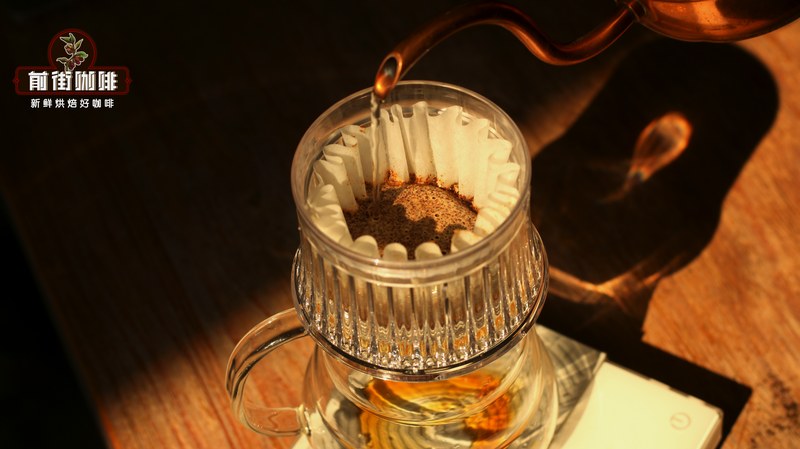
The core of designing the brewing parameters is to open up space and steady the aroma. I consistently use 15 g of coffee and, at a 1:15 ratio, 225 g of water. This coffee-to-water ratio gives the flavor enough room to stretch out and keeps it from feeling crowded because it is too concentrated. The water temperature is set between 90 and 93°C. For medium-light roasted beans, I tend to lean toward 93°C; the higher temperature can bring out the floral aroma molecules more fully. I choose a V60 as the dripper; the conical structure concentrates the water flow path, and combined with pouring in small circles and keeping the stream thin, it avoids a strong flow scattering the coffee bed, which would instead make the aroma easy to lose. For blooming, use 30 g of water for 30 seconds, then pour in two to three stages, with the total time controlled at around 2 minutes. The white floral notes extracted this way will settle more steadily and will not flash by in an instant.
The timing of drinking is also worth paying attention to. White floral notes begin to emerge during the wet aroma stage. If you smell it right after brewing while it is hot, that aroma reminiscent of jasmine or gardenia is especially obvious; when the temperature drops to the medium-warm range, around 50°C, the floral notes and citrus acidity appear layered together, and this is the moment when the whole cup's flavor is very complete. I usually suggest that customers not rush to finish it in one go, but let it sit a little and cool naturally, so the layers actually become clearer.
Qianjie Huakui follows the natural route, medium roast, with a combination of red berries and light floral notes. The refreshing orange flavor keeps the overall mouthfeel from being cloying, and when brewed as pour-over, the aroma is elegant and the mouthfeel clean. Qianjie Granja Geisha is also naturally processed and medium roasted; the sweetness of yellow peach and apricot comes forward, with the bright acidity of citrus and lemon supporting it from behind, the floral notes on the bright side, and a faint tea-like note in the finish. Although these two are not washed, the presence of the floral notes is still clear, making them suitable for customers who want to try how white floral notes change under different processing methods.
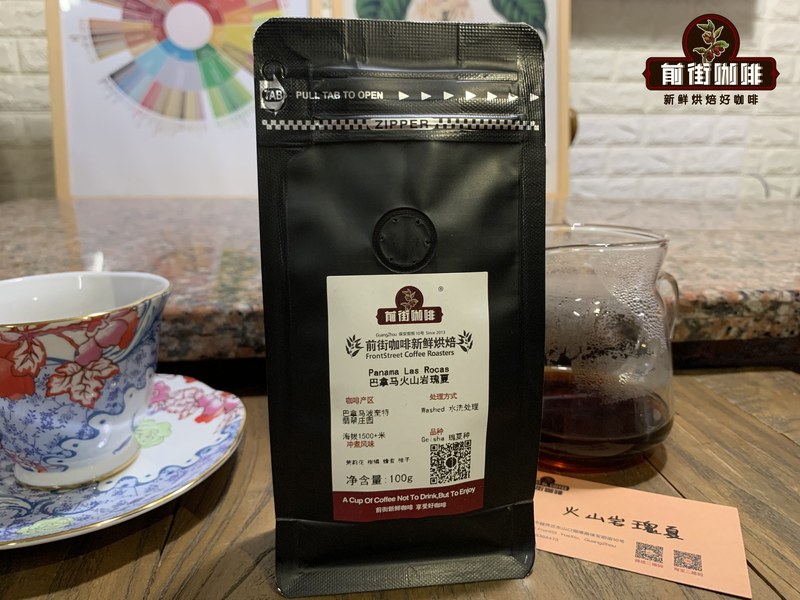
Freshness has a greater impact on floral notes than I originally imagined. Coffee beans need a short period of degassing after roasting. The beans sent by Qianjie are all roasted within 5 days, so they can be brewed as soon as the bag is opened, and the flavor is better if drunk within one month. The flavor is better if drunk within one month. Delicate flavors like white floral notes are especially sensitive to oxidation; after sitting for a long time, the aroma will go first, and the acidity will also become flat. I generally finish them within the first two weeks after the resting period ends, when the liveliness of the floral notes is at its best.
In the end, white floral notes are a flavor that needs to be treated gently. From choosing beans to pouring water, leave a little space for it at every step, and it will stay nicely in the cup.
Related Reading




Comments (0)
Loading comments...
You May Be Interested




Trending Reviews
Popular Videos

With you, wherever you are! We provide useful features to help you find new things you'll love






