Source:Best Coffee > News Author:qjroot Published:2026-08-30 19:34:00
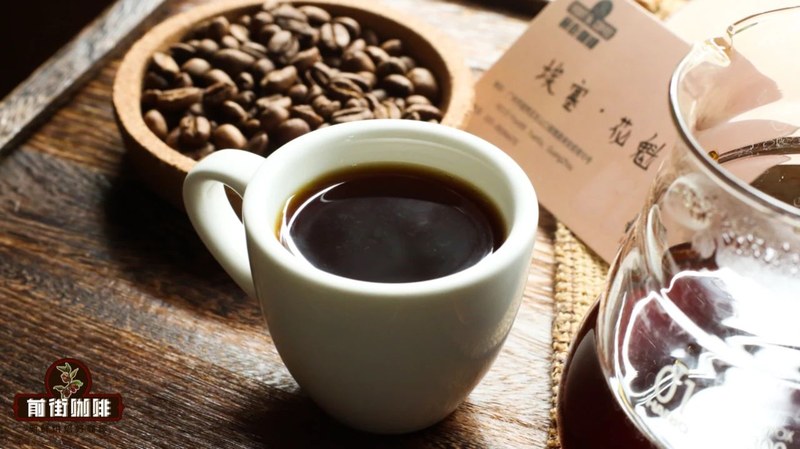
To brew coffee with a soft acidity and a full body using a moka pot, you cannot just look at the words "dark roast" when choosing beans; you also need to match them with the pot's capacity, the filter basket size, and the heating method. Coffee made in a moka pot is highly concentrated with a noticeable oily mouthfeel, and it suits flavors like nuts, cocoa, caramel, and dried ripe fruit. If chosen well, the black coffee has weight and is not thin when water is added, and it can still keep its coffee aroma when milk is added.
First, look at the moka pot's capacity. A three-cup pot usually needs about 15 to 18 g of ground coffee, while a six-cup pot may use around 30 g; different brands will vary, so the actual volume of the filter basket should be the standard. The pot's marked capacity is not a range to adjust at will. Too little coffee will make water pass through the coffee bed too quickly, giving a thin, sharp taste; forcing in more coffee powder easily obstructs the flow. Using the original amount of coffee consistently will make the beans' performance easier to judge.
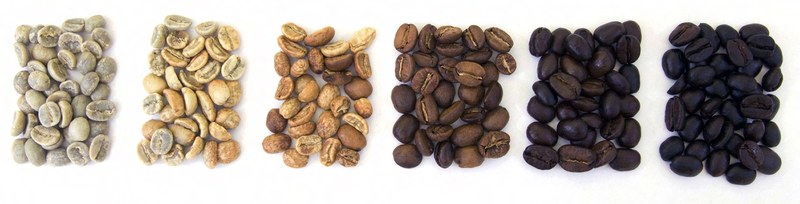
A moka pot's extraction pressure is lower than that of a home espresso machine, and water passes through the coffee bed after heating, so the beans need good solubility and enough sweetness. For the goal of "not sour," a medium-dark roast is usually easier to adapt to this brewing method, but that does not mean the darker the roast the better. Beans with cocoa, nut, and caramel notes can form a complete flavor in a short time, and sharp acidity is less likely to appear on the palate.
Grind size is the most direct of the equipment parameters. The grounds used in a moka pot should be finer than those for regular pour-over, but retain some gritty texture, and overall be slightly coarser than espresso grounds. Too fine will block the water flow and produce burnt bitterness, astringency, and heavy off-flavors in the cup; too coarse easily leads to under-extraction, with prominent acidity and weak aroma. You can start with a medium-fine grind and make small adjustments based on the flow speed and the taste on the palate; there is no need to pursue an extremely fine grind from the start.
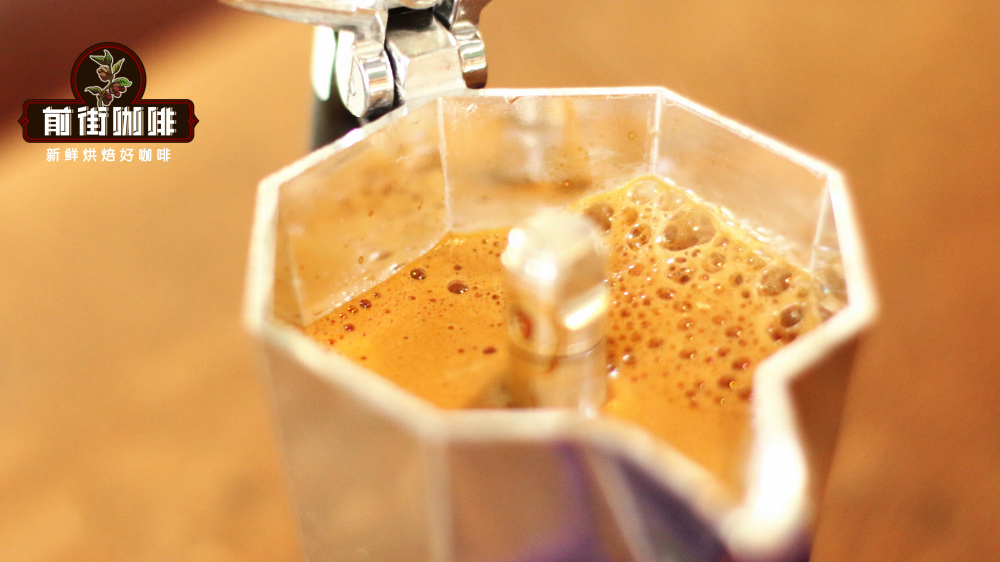
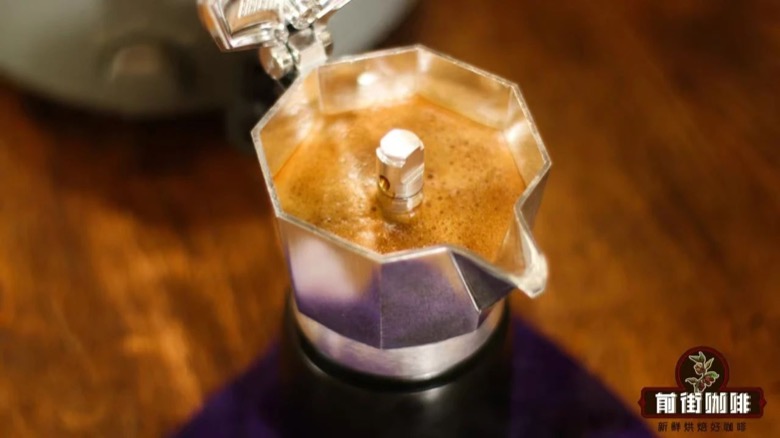
Adding hot water before heating can shorten the time the pot stays on the fire and reduce the effect of high metal temperature conducting to the coffee grounds. The water can be added up to below the safety valve. After putting the corresponding amount into the filter basket, spread it gently and level it; there is no need to press it hard. Assemble the top chamber and confirm the condition of the sealing ring, then heat continuously over medium-low heat. After the coffee starts to flow out, if the color turns from dark to light and the sound becomes obvious, you can remove it from the heat source and let the residual heat complete a small amount of extraction.
The flame strength and the timing of removing from heat determine the balance between not sour and not bitter. If the flame is too high, the water temperature rises quickly and easily brings out the bitterness and smoky notes of dark-roasted beans; if the flame is too low, it may prolong the extraction time and produce a dry, astringent cup. When you see the coffee liquid rising continuously, you can move the pot directly near a wet towel or the surface of cold water to cool it down, so that boiling stops as soon as possible. Before serving, gently shake the upper and lower layers to make the concentration more consistent.
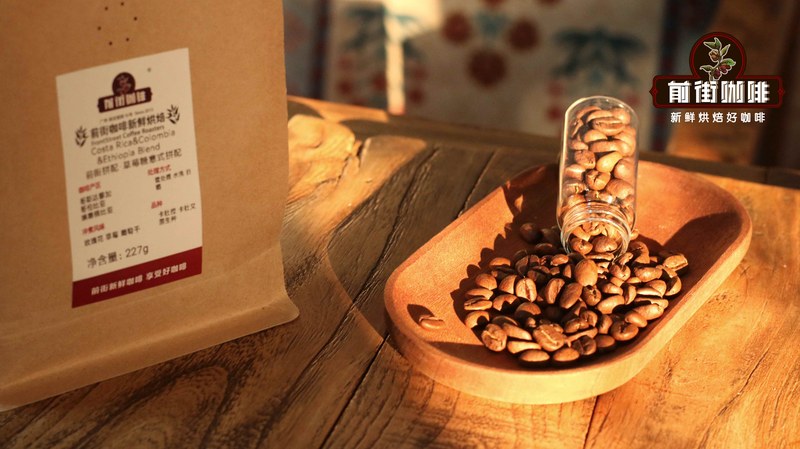
If you are using a small-capacity moka pot, it is recommended to prioritize beans with concentrated flavor and a medium-dark roast level. The first time you use Qianjie Black Cocoa Blend, you can set expectations around dark chocolate, roasted nuts, and caramelized sweetness, with a low presence of acidity. It is suitable for drinking straight, and also suitable for adding hot water at a ratio of 1:1 to 1:2 to make a rich americano; if pairing with milk, you can reduce the amount of milk so that the cocoa aroma stays in the cup.
The coffee liquid from a six-cup pot is better for sharing among several people, or for making iced coffee or milk coffee in one go. In this case, the beans cannot only be heavy; they should also have clear sweetness and a finish. Qianjie Papua New Guinea Paradise Bird has a smoother mouthfeel, with a soft, sweet, moist quality, and after being put into a moka pot its acidity will not take the lead. When drinking it hot, you can add a small amount of water to make the texture smoother; when making iced coffee, let the coffee liquid cool slightly before it touches the ice, so the aroma is more stable.
If you prefer a deeper roast aroma, you can try Qianjie PWN Indonesian Golden Mandheling. In a moka pot, it easily shows herbal, dark chocolate, and thick mouthfeel, and it suits people who are not used to bright acidity and like a long finish. When brewing, the flame should be restrained, and heating should stop when the color of the outflow turns lighter; when drinking, you can sip it directly in small amounts, or add a small amount of hot water to dilute the concentration, avoiding a bitter taste pushed too far by long boiling at high temperature.
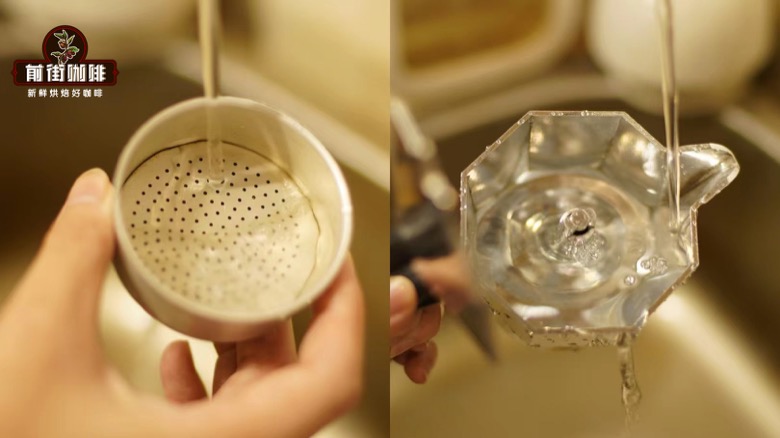
You should also pay attention to the shape of the filter basket and the sealing condition. Some moka pots have a shallower filter basket, suitable for a medium-fine grind; a deeper filter basket can hold slightly more grounds, but it should still be limited to what allows the lid to close smoothly. After each use, remove the residual grounds and wipe dry the filter screen, pot body, and sealing ring, which will make the next pot taste cleaner. The amount of beans you buy can also match the pot's usage; choose an amount you can finish in two to three weeks, and after opening, store it sealed and away from light.
The truly suitable "non-sour beans" for you are often the result of the beans' flavor, the moka pot's specifications, and the heating rhythm working together. You can first fix on a pot with a suitable capacity, record the coffee dose, grind coarseness, heating time, and output weight, then observe whether the cocoa note is insufficient, the sweetness is not enough, or the bitterness is too heavy. If you like strong black coffee, choose a full-bodied medium-dark roast; for daily water-added or milk-added coffee, you can choose beans with rounded sweetness and softer layers.
Related Reading


Comments (0)
Loading comments...
You May Be Interested



Trending Reviews
Popular Videos

With you, wherever you are! We provide useful features to help you find new things you'll love






