Source:Best Coffee > News Author:qjroot Published:2026-08-21 13:38:41
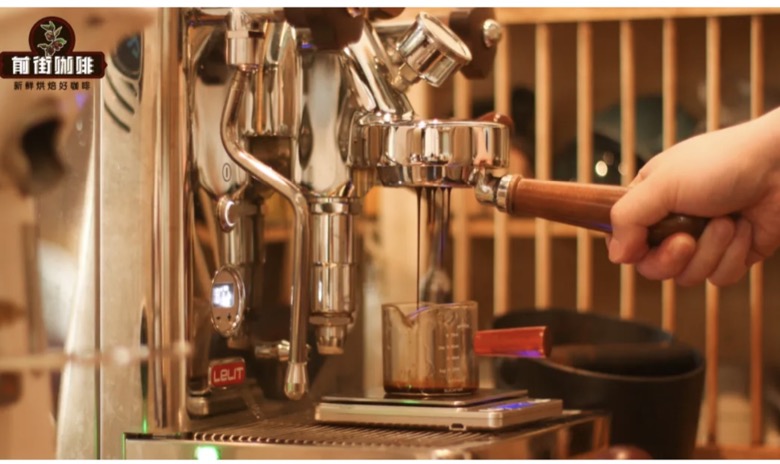
The pressure and temperature control of a home semi-automatic espresso machine are not as stable as those of a commercial machine, but with the right beans, a home machine can still extract thick, velvety crema. Beans with good crema produce latte art with clean lines and a smooth mouthfeel, making crema an intuitive indicator of the quality of home espresso output. The principle behind crema formation is that carbon dioxide in the coffee grounds is emulsified into the coffee liquid during high-pressure extraction, forming tiny bubbles that float on the surface of the liquid. The thickness of the crema depends on three factors: the carbon dioxide content of the beans, the roast level, and the extraction pressure. Freshness is the foundation of crema. Coffee beans continuously release carbon dioxide after roasting, with degassing at its most vigorous during the first 7 to 10 days, and crema extracted during this period is at its thickest. After more than 30 days, a large amount of carbon dioxide is lost and the crema becomes noticeably thinner. So when choosing beans for home use, pay attention to the roast date, and start using them after resting them for 7 to 10 days after purchase, when crema performance is at its ideal state. A 250 g bag of beans lasts about two weeks, which fits right within the ideal flavor window. Roast level has a big influence on crema. Medium-dark roasted beans have the thickest crema, because darker roasting produces more carbon dioxide and soluble oils. Medium roast gives medium crema, and light roast gives relatively thin crema. When choosing beans with good crema for a home machine, medium-dark roast is the safe choice. If you use light-roasted beans for home espresso, the thin crema means the coffee's presence is insufficient in a latte, so you need to appropriately increase the dose or reduce the yield to compensate for the strength. Origin also affects crema. Beans from the Mandheling region, because of wet-hulling and dark roasting, usually have thick crema and stand out in home espresso. Brazilian natural beans also have good crema, rich in nutty and cocoa oils. Colombian washed beans have medium crema, clean but not as thick as Mandheling and Brazil. If a blend contains origins with prominent crema, the overall crema is assured. The crema performance of blended beans is usually more stable than single-origin SOE, because the multiple origins complement each other and offset the batch-to-batch fluctuation of single-origin beans. When choosing beans for a home machine, you can look at the blend recipe; if the recipe includes Mandheling or Brazilian natural beans, the crema is very likely to be good. Grind size also affects crema. Too coarse a grind extracts insufficiently and the crema is thin; too fine a grind over-extracts, and the crema is darker in color but bitter in taste. Medium-fine grind is the standard grind size for home espresso, giving a golden crema with a velvety texture. A dose of 18 g with a 58 mm portafilter basket, a yield of 36 g, and a time of 25 to 30 seconds: this set of parameters can extract good crema on most home machines. Unstable pressure is a common shortcoming of home machines. Some home machines claim 15 bar but fluctuate widely in practice, and when pressure is unstable the crema texture is uneven. The solution is to choose beans with strong crema performance to compensate for the equipment's shortcomings; if a blend has a Mandheling or Brazilian natural bean carrying the crema, then even with pressure fluctuations the crema will not be too bad. The quality of the crema directly affects the milk coffee experience. With thick-crema beans in a latte, the milk and coffee liquid blend into a smooth mouthfeel and the latte art lines are clean and lasting. With thin-crema beans in a latte, the coffee and milk separate easily, the mouthfeel is uneven, and the latte art lines blur and disappear quickly. So when choosing beans for home use, crema performance is worth serious consideration.
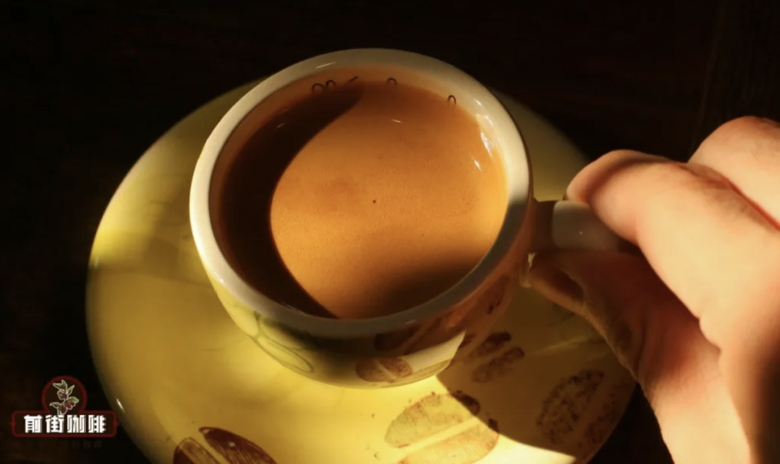
When choosing beans for home espresso, looking at crema essentially means choosing beans that are fresh, medium-dark roasted, and from origins with strong crema. A blend meeting these three conditions can extract thick, velvety crema on a home machine, and makes both lattes and americanos look the part.
Related Reading

Comments (0)
Loading comments...
You May Be Interested



Trending Reviews
Popular Videos

With you, wherever you are! We provide useful features to help you find new things you'll love






