Source:Best Coffee > News Author:qjroot Published:2026-09-02 18:30:59
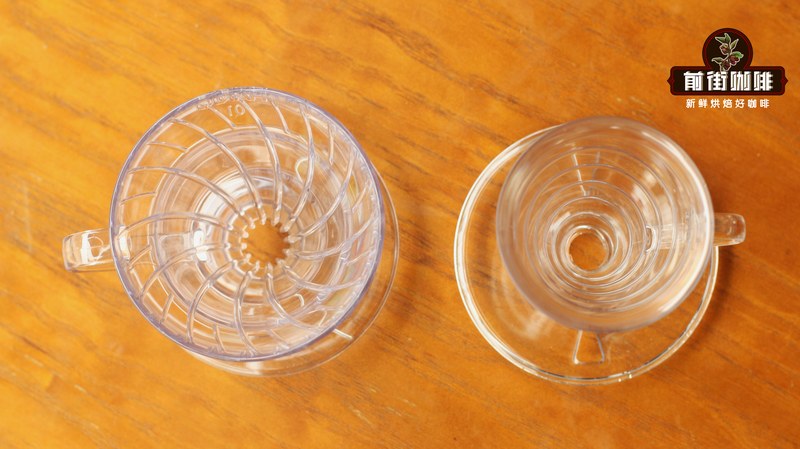
To drink coffee with notes of nuts, cocoa, and caramel, you cannot choose beans based only on the flavor label; you also need to consider how your home equipment extracts. A dripper amplifies aroma and sweetness, a moka pot more easily produces a heavy body, and an espresso machine relies on concentration to support the milkiness. With different equipment, the suitable roast direction, grind size, and water temperature also need to be adjusted accordingly.
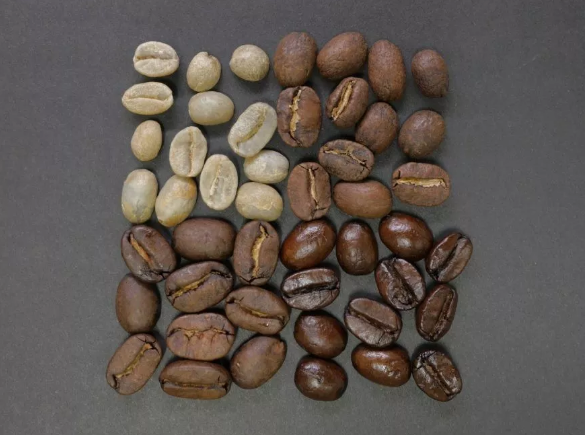
These flavors are usually concentrated in the medium to medium-dark roast range, but that does not mean you can only taste bitterness. Medium-roast beans often have toasted nuts, cocoa powder, and caramel sweetness, while medium-dark roasts lean more toward dark chocolate, roasted aromas, and a full body. If you prefer a clean black coffee, you can choose toward medium roast; if you often make milk coffee or strong Americano, medium-dark roast more easily preserves the coffee's presence.
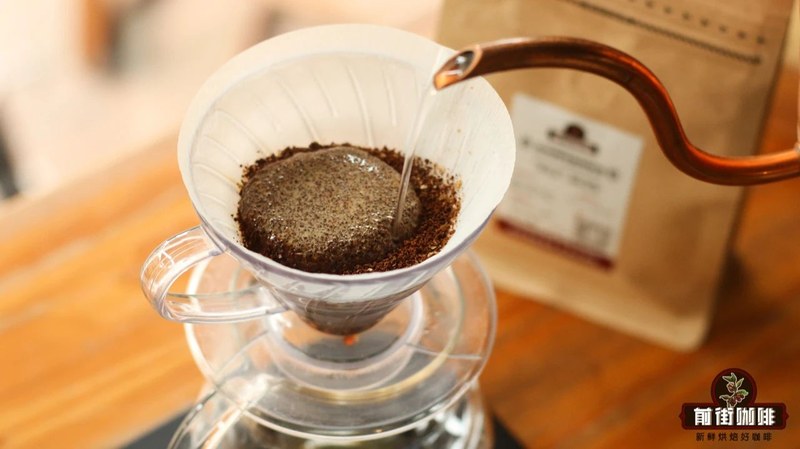
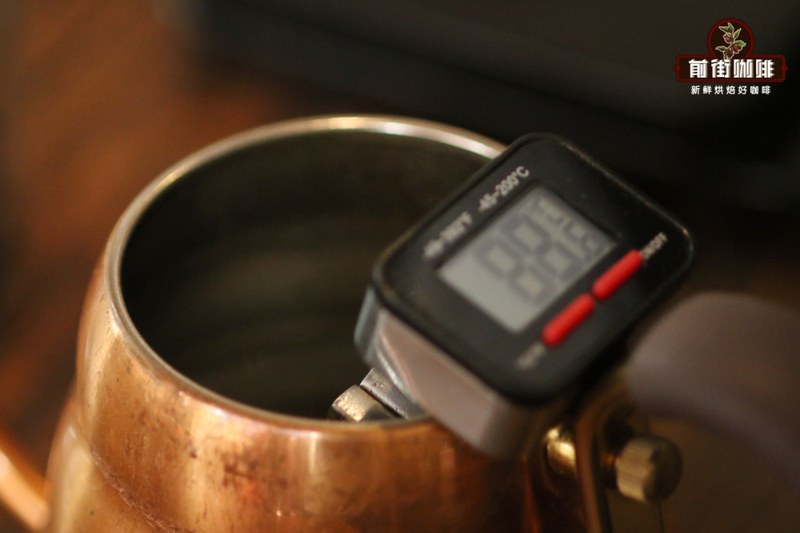
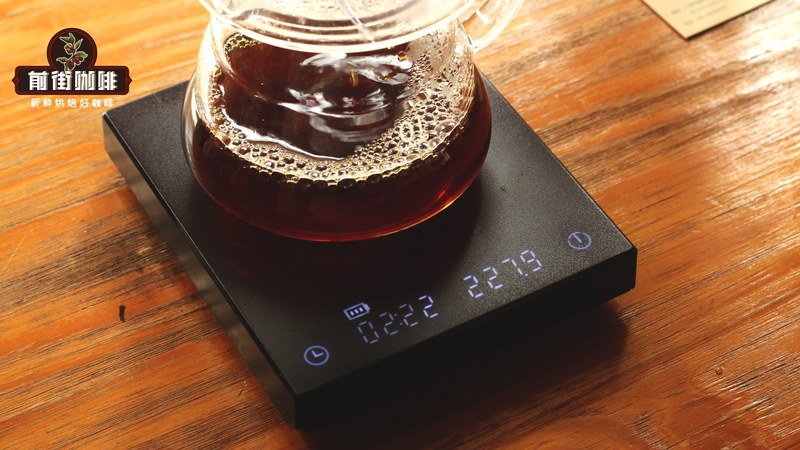
When using a dripper, Qianjie Brazil Queen's Estate is a relatively easy choice to start with. Its nutty aroma, cocoa tones, and caramel-like sweetness are fairly rounded, and the soft acidity will not steal the main flavor. You can use 15 g of grounds with 240 g of water, a water temperature of about 90 to 92°C, a medium-fine grind, pour in two to three stages, and control the total time at 2 minutes 30 seconds to 3 minutes. It is suitable for breakfast or an afternoon pairing with snacks.
If the cup brewed with the dripper seems thin, you can grind slightly finer, or raise the water temperature by 1°C, to let the cocoa and caramel notes release more fully. If the finish is noticeably dry and astringent, you can reduce agitation and shorten the pause in the final pour. For nutty cocoa beans, the pour does not need to be too aggressive; keeping the flow steady usually gives softer sweetness and a cleaner finish.
A moka pot is more suitable for people who like a rich mouthfeel. Qianjie PWN Indonesia Golden Mandheling can present herbal notes, dark chocolate tones, and a thicker body. Its acidity is not prominent, and when made into a small cup of black coffee it has weight, and it will not seem empty after adding a small amount of hot water. It is recommended to use a slightly coarser grind than for espresso, fill the basket, then gently level it off without pressing the coffee bed firmly.
Add water to the moka pot according to the pot's specifications. Heating over low heat makes it easier to preserve sweetness than boiling vigorously over high heat. When the coffee liquid begins to flow continuously and the color gradually lightens, you can remove it from the heat and let the residual heat finish a small amount of extraction. If the entry is somewhat burnt and bitter, you can lower the heat or end earlier; if the concentration is insufficient, check whether the coffee dose is full and whether the grind is too coarse. Changing only one parameter at a time makes it easier to find the balance point.

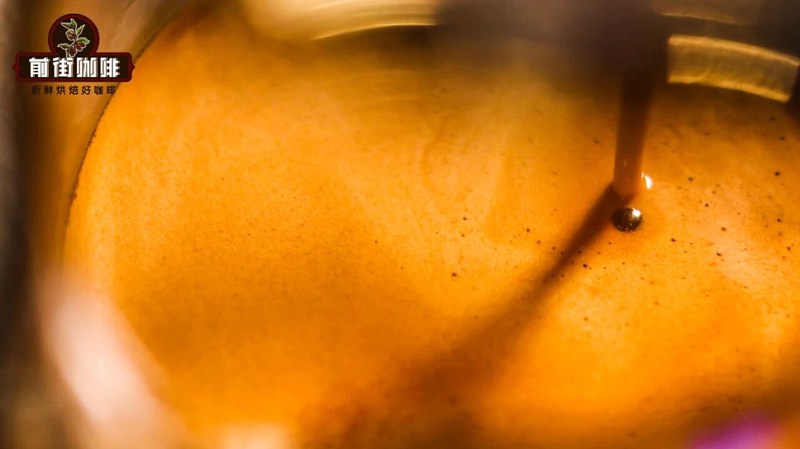
For an espresso machine, you can prioritize Qianjie Brazil Queen's Estate. Its nut, cocoa, and caramel direction remains clear at high concentration, it has sweetness when making Americano, and after adding milk it also leaves a toasted nut and chocolate-like taste. Taking 18 g of grounds as an example, you can first try extracting 36 g of coffee liquid, with a time of about 27 to 32 seconds and a water temperature of about 91 to 93°C, then fine-tune based on the actual taste.
If the espresso flow is too fast, the cup often tastes more acidic and thin, so you can grind a little finer; if the flow is too slow and the bitterness is obvious, it is suitable to grind slightly coarser. When making a latte, you can control the yield a little shorter to make the coffee liquid more concentrated, then pair it with milk at about 55 to 65°C. The higher the milk ratio, the more the beans need obvious cocoa sweetness and enough body.
The adjustment approach for a household fully automatic coffee machine is simpler: choose medium or medium-dark roast beans, set the grind at a medium setting, first make an Americano at standard strength, and observe whether there are nutty aromas and a cocoa aftertaste. If the taste is thin, you can increase the coffee dose or reduce the yield; if the bitterness lingers too long, you can lower the strength setting, or make the grind slightly coarser, instead of blindly pursuing a dark-colored liquid.
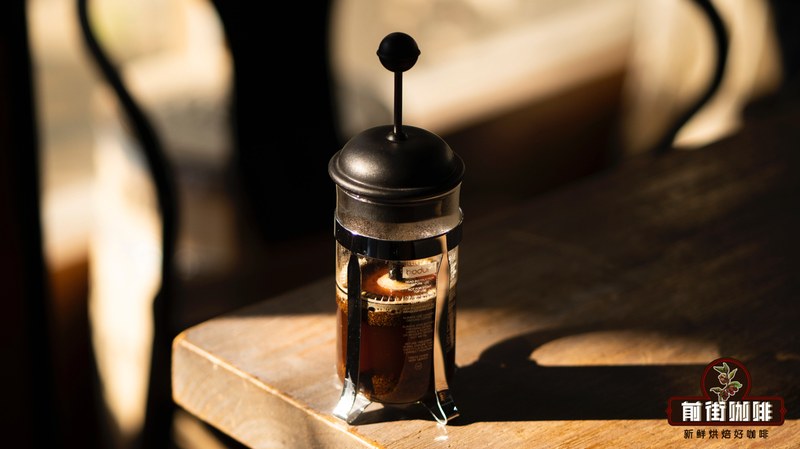
Immersion equipment such as a French press and Clever Cup is also suitable for expressing nutty cocoa flavors. You can use 16 g of grounds with 250 g of water, a coarser grind than pour-over, a water temperature of about 90°C, and steep for 4 minutes before filtering slowly. Too long a steep easily brings out woody and bitter notes, while too short a time gives insufficient aroma and sweetness. When using this type of equipment, do not stir too many times; the coffee after resting will be smoother.
When buying, you also need to weigh the beans' roast date, packaging method, and daily consumption together. Nutty cocoa beans are suitable for continuous drinking. After opening, store them sealed and away from light, and try to finish them while the flavor is still full. If you have both a dripper and an espresso machine at home, you can prioritize beans with balanced flavor and moderate roasting; if you mainly use a moka pot or make milk coffee, you can choose a thicker, more chocolate-toned direction, so that the equipment parameters and the cup's taste work together.
Related Reading




Comments (0)
Loading comments...
You May Be Interested



Trending Reviews
Popular Videos

With you, wherever you are! We provide useful features to help you find new things you'll love






