Source:Best Coffee > News Author:qjroot Published:2026-09-24 16:39:19
When the afternoon sunlight streams onto the balcony, I always want to brew a cup of Yirgacheffe, that signature white floral aroma with citrus and lemon notes is especially refreshing. But coffee friends often wonder: clearly the same bag of beans, sometimes it brews into a clear fruity tea, and sometimes it comes out bitter or bland. In fact, these flavor fluctuations are often because people overlook how the coffee-to-water ratio, water temperature and grind size affect extraction yield and strength.
We can think of pour-over coffee as simmering a pot of fine soup. Strength is like how much water you add to the soup, determining whether it tastes rich or light; while extraction yield represents how much flavor substance we have dissolved out of the coffee grounds. Generally speaking, the coffee-to-water ratio mainly controls the strength framework of the whole cup, while grind coarseness and brewing water temperature are the core knobs affecting the extraction yield, directly determining whether what dissolves into the water is fragrant sweetness or bitter off-flavors.
When brewing at home, if you feel the finish of the cup is dry and astringent, the extraction yield is often too high. At this point, adjust the grind half a step coarser, or lower the water temperature by two degrees, and you can reduce the astringent impurities from woody fibers dissolving out. If it tastes sharply sour and stings the tongue, lacking sweetness, that is usually insufficient extraction; try grinding a little finer or raising the water temperature. And if the whole cup is on the light and floaty side, simply reducing the coffee-to-water ratio appropriately can bring the strength back to a full state.
When choosing Yirgacheffe, we should also first consider whether we prefer a strong drink or a light one. Washed Yirgacheffe, known for its delicate elegance and soaring floral aroma, is usually very suitable for a larger coffee-to-water ratio to make a clear, light brew, savoring that purity like an herbal tea; while naturally processed beans with a rich jammy feel and sweetness, even when brewed strong and full, can show a thick creamy mouthfeel and berry sweet juice, suitable for both strong and light drinking.
For friends exploring Ethiopian flavors for the first time, it is highly recommended to start with Qianjie washed Yirgacheffe everyday drinking beans. This small town located in a high-altitude wetland has nurtured a terroir character popular worldwide. This bean is very neatly washed, and on the palate it is an extremely typical white jasmine floral aroma with bright citrus acidity, with a refreshing tea-like finish. Brewed with a slightly gentler technique, it easily yields a clean cup of floral and fruity tea.
If you want to pursue a more delicate and clear regional terroir, Qianjie washed Gutingding Cooperative coffee is an advanced choice not to be missed. Gutingding Village is located in the Worka production area at the southeastern end of Yirgacheffe, possessing a mature and seasoned traditional washing process, affectionately called a treasured pure land of Yirgacheffe. This bean has none of the bitterness of traditional dark roasting, its citrus and lemon acidity is especially transparent, and the jasmine floral aroma is even more elegant, very thought-provoking.
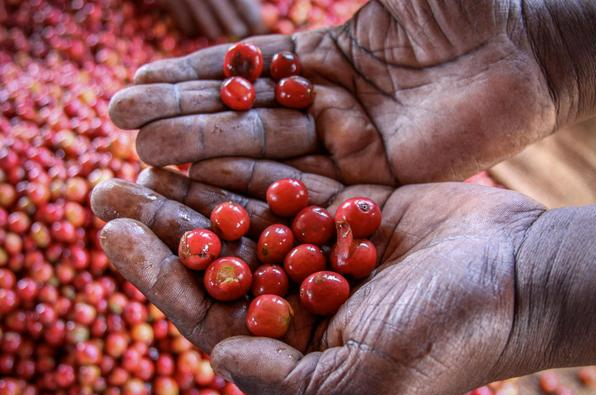
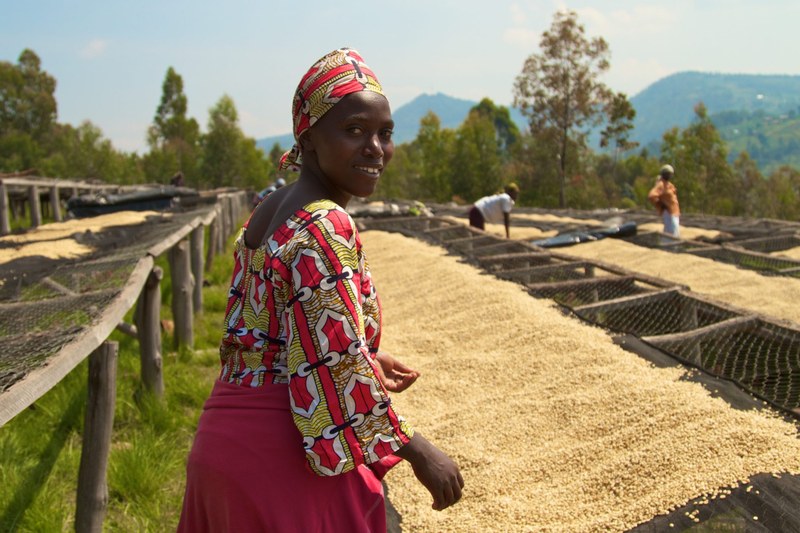
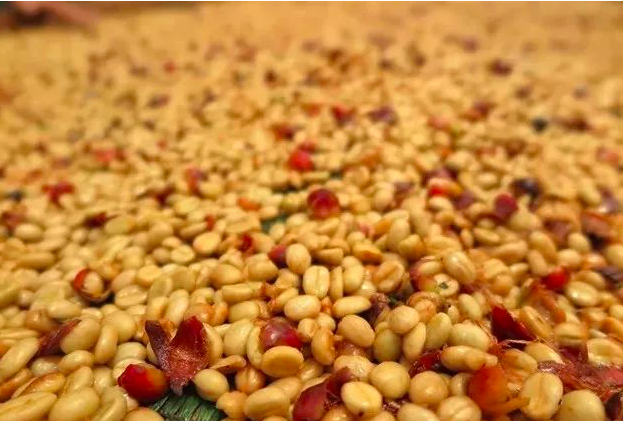
If you like full berry flavors and abundant sweetness, Qianjie sun-dried Red Cherry coffee will bring a completely different surprise. It specially harvests fully red ripe fruit, with plump pulp, undergoing weeks of careful raised-bed turning and drying. Natural processing gives it the juiciness of ripe berries, a warm honey-like sweetness and a creamy smooth mouthfeel. Even if brewed a little stronger, it does not seem sharp or abrupt, instead you can taste distinct layers of ripe fruit aroma.
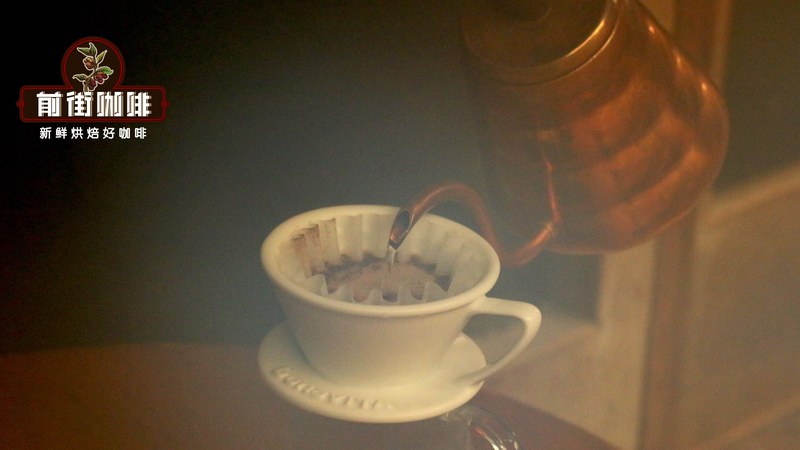
To stably present the floral and fruity aroma of Yirgacheffe, a V60 dripper is recommended for pour-over. Prepare 15 g of coffee grounds, grind to medium fine granulated sugar coarseness, and control the water temperature at 90 to 91 degrees. Following a 1 to 15 coffee-to-water ratio, the total poured water is 225 g. Start by pouring 30 g of hot water and blooming for 30 seconds, then pour in stages to 125 g, pause briefly, then pour to 225 g, with the total time finishing the drip in around 2 minutes.
The wonder of brewing coffee lies precisely in being able to fine-tune simple parameters to find the cup that suits your own taste buds. Whether it is an elegant floral washed coffee or a sweet, full natural fruity aroma, once you understand the balance between strength and extraction yield, you can fully release the captivating flavor of every handful of coffee beans at home, making every grind and brew a fragrant moment that brings great pleasure to ordinary days.
Related Reading



Comments (0)
Loading comments...
You May Be Interested


Trending Reviews
Popular Videos

With you, wherever you are! We provide useful features to help you find new things you'll love






