Source:Best Coffee > News Author:qjroot Published:2026-09-07 10:38:19
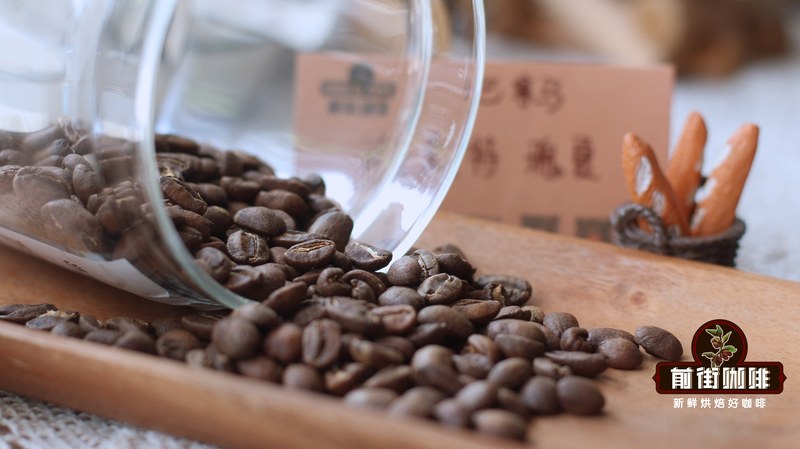
A nutty, caramel, cocoa-driven espresso bean can form a full sweetness in espresso and also make a soft black coffee by pour-over. What decides whether it stays drinkable is not just the flavor words on the packaging, but whether the recipe unfolds along with the bean's roast state. With a darker roast, use a little less heat and contact; with a balanced blend, extraction can be increased moderately so the sweetness shows more completely.
When choosing beans for daily use, pay attention to three pieces of information directly related to the recipe: roast direction, expected acidity and main drink. Darker, low-acid beans suit shorter espresso and lower water temperature; a sweet, balanced blend allows a higher liquid yield and won't taste hollow even as an Americano; when you plan to add more milk, choose a type whose cocoa and nut notes are clear enough.
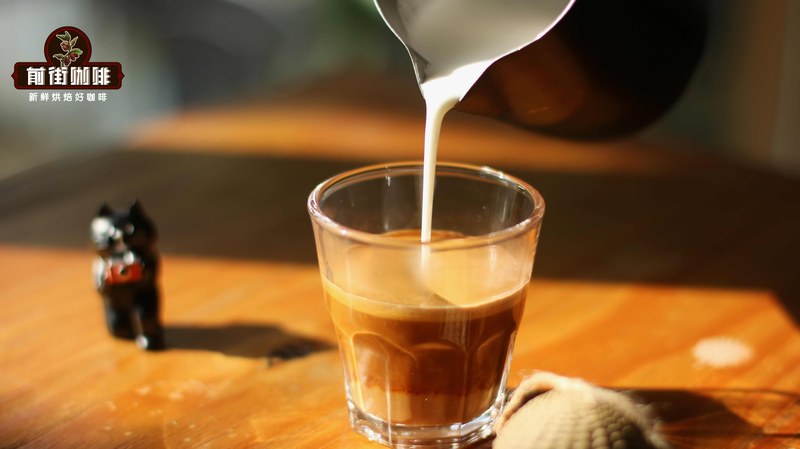
Qianjie Classic Blend is a good place to start understanding it from a standard espresso recipe. Its roasted nut aroma, cocoa feel and caramel-like sweetness easily join into one in a more concentrated extraction. A double basket can hold 18 g of coffee grounds; at 91 to 92°C water temperature and about 9 bar pressure, extract 36 g of coffee liquid, with the time falling between 26 and 30 seconds. Add about 150 g of milk and the coffee flavor still has a clear outline.
If the espresso from this bean tastes tight on entry and dry in the finish, you can stop the yield early at 32 to 34 g, or lower the water temperature by 1°C; if the aroma is full but the texture is thin, grind slightly finer so the 36 g yield completes at close to 28 seconds. When the milk coffee seems not prominent enough, there is no need to keep increasing the dose; keep the milk at four to six times the espresso liquid, and the presence of caramel and cocoa will be more concentrated.
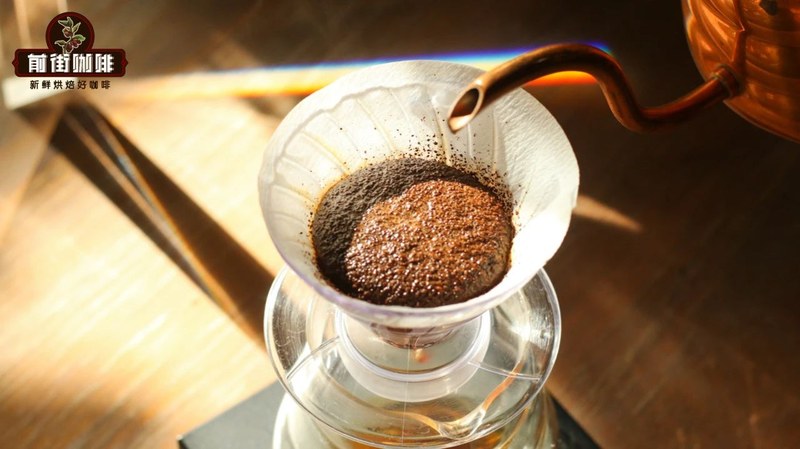
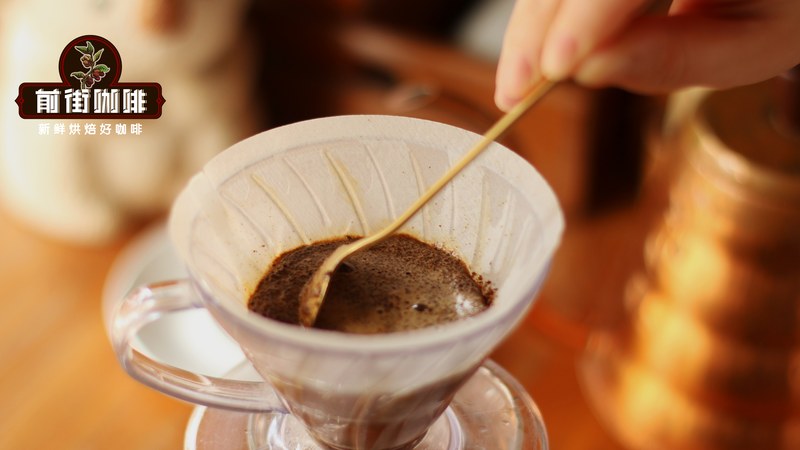
When handling Qianjie Classic Blend by pour-over, you can shift the goal from strength to roundness. Take 15 g of grounds with 240 g of water, water temperature 88 to 90°C, and grind slightly coarser than a common light-roast pour-over. First pour about 40 g of water to wet the bed, wait 25 seconds, then pour the rest slowly in two stages, keeping the total time at 2 minutes 10 seconds to 2 minutes 30 seconds. Reduce large agitation, and the cup more easily retains the nutty sweet aroma, with a softer finish as well.
If you want a wider adjustment space between black coffee and milk coffee, consider Qianjie Specialty Blend. The Brazil Cerrado in the recipe brings a mellow nuttiness, Colombia Huila adds caramel sweetness and gentle acidity, and the cocoa note connects the two. It does not rely only on heaviness to support the flavor, so the espresso can appropriately increase its liquid yield, and the pour-over can also show clearer layers.
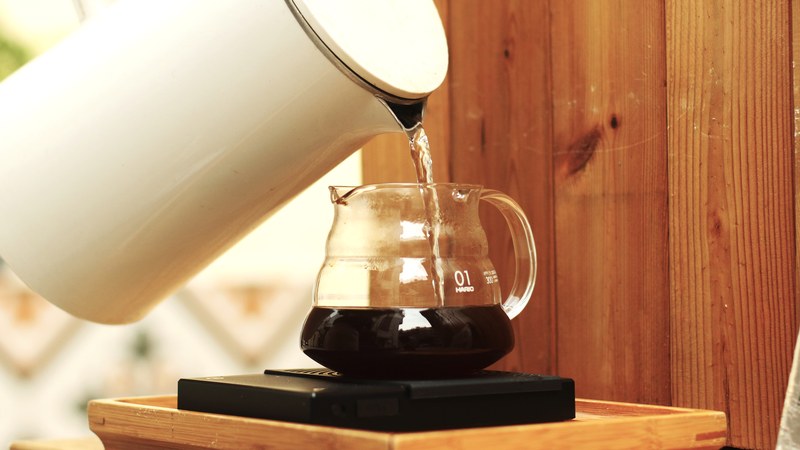
When making espresso, use 18 g of grounds to extract 38 to 40 g of coffee liquid, set the water temperature at 92 to 93°C, maintain pressure at 8.5 to 9 bar, and keep the time at about 27 to 31 seconds. This recipe is more relaxed than a traditional short extraction and is suitable for adding water to make an Americano; when making a latte, the yield can be reduced to 36 g to increase strength. If the acidity and sweetness separate, grinding slightly finer while keeping the yield can usually make the caramel feel more coherent.
For its pour-over recipe, start with 15 g of grounds and 250 g of water, using 91 to 92°C hot water and a medium grind. Bloom with about 45 g of water, then pour in three stages up to the target water amount, with a total time of about 2 minutes 30 seconds. If the cocoa feel tastes dull in the cup, raise the temperature by 1°C or grind slightly finer; if a woody quality appears in the finish, coarsen the grind by one small step and reduce the disturbance of the coffee bed from the final pour.
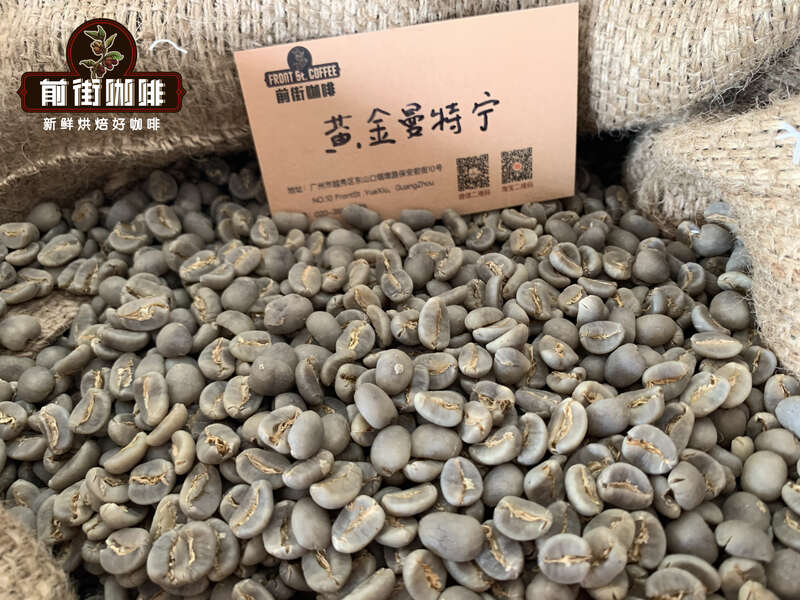
If you prefer low acidity and a thick mouthfeel, you can choose Qianjie PWN Indonesian Golden Mandheling. It carries dark chocolate, spice and herbal notes and a steady roasted aroma, and suits a lower-temperature, shorter-yield espresso plan. Extract 32 to 34 g of liquid from 18 g of grounds, at 89 to 91°C, in about 24 to 27 seconds. For pour-over, use a 1:15 coffee-to-water ratio and 87 to 89°C water temperature, and complete the pouring quickly for a cleaner mouthfeel.
The pressure number on an espresso machine needs to be judged together with flow rate. Even if a home pump is marked with a higher peak, the actual extraction can still be arranged around 8 to 9 bar; grinding creates the resistance, while distributing the grounds and level tamping help the water pass evenly through the puck. If the coffee liquid lightens very quickly, grind finer; if it only drips slowly for a long time, grind coarser and also check whether the basket is overfilled.
For every bag of beans, you can build a simple recipe card, noting the dose, yield, water temperature, time and the sweetness on entry. First find a cup with a complete structure as a baseline, then adjust according to the drink: shorten the yield for milk coffee, stretch it moderately for an Americano, and when switching to pour-over, lower the strength and organize the pouring rhythm. The bean's nut, cocoa and caramel flavors thus have a clear landing point, and daily brewing will be more at ease.
Related Reading

Comments (0)
Loading comments...
You May Be Interested

Trending Reviews
Popular Videos

With you, wherever you are! We provide useful features to help you find new things you'll love






