Source:Best Coffee > News Author:qjroot Published:2026-09-19 12:20:18
Yirgacheffe's distinctive white floral aroma and bright citrus notes are a flavor coordinate that almost every coffee lover repurchases again and again. However, when selecting Yirgacheffe, people often find that it comes both as a single-origin bean and frequently appears in various espresso blend recipes. Understanding these two completely different flavor paths, single origin and blend, can help you more quickly find the bag of beans suited to how you feel like drinking right now.
The core of the single-origin path lies in tasting the truest terroir expression of a specific micro-region. When you choose a single-origin Yirgacheffe, the goal is usually to pursue pure floral notes, clear fruit acidity and a finish that stimulates saliva like green tea. This way of drinking does not want flavors from other regions to interfere, and places more emphasis on the delicate layers of the bean itself as water temperature changes, so light-roasted pour-over black coffee is the ideal form for showing off single-origin character.
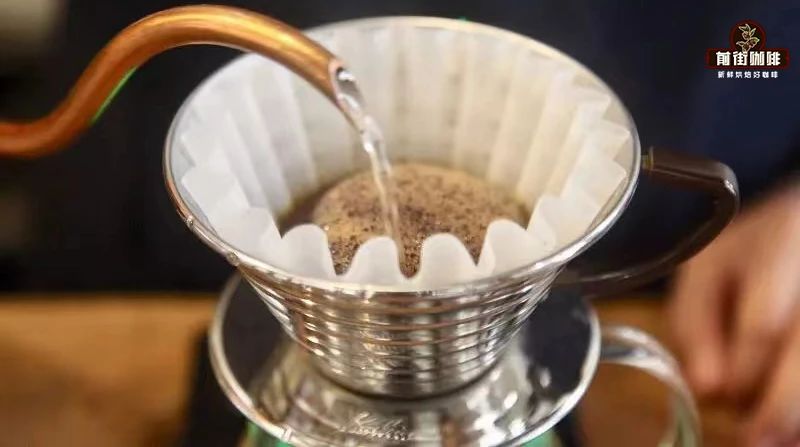
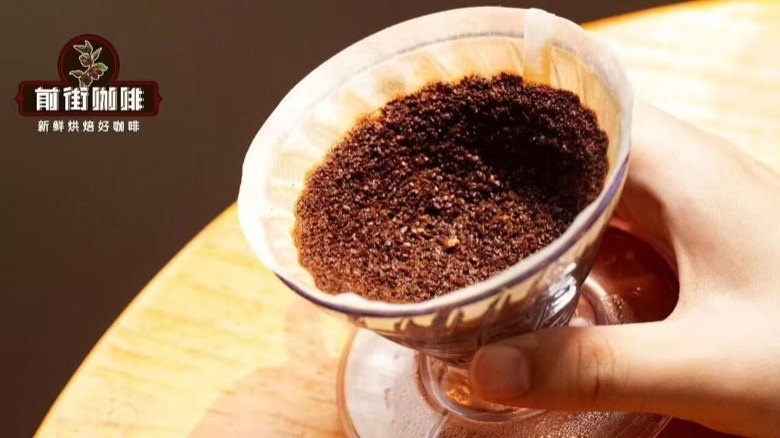
If you plan to experience the bright layers of a single-origin Yirgacheffe, Qianjie Yirgacheffe Gedingding is a very representative choice. It carries fresh jasmine floral notes, ripe citrus and soft berry flavors, with a light and transparent texture. When brewing, you can use 15g of coffee grounds, pour in 91°C hot water, and control the coffee-to-water ratio at 1:15. First pour in 30ml of water and bloom for 30 seconds, then use a three-stage pour, slowly circling and pouring to 120ml and pausing, finally pouring steadily to 225ml, with the total time controlled at 2 minutes 05 seconds to finish draining; the whole cup of coffee is lively in acidity with a long sweet aftertaste.
The logic of the blend path is completely different, as it pursues balance and harmony after multiple beans complement each other's strengths and offset their weaknesses. The reason many blend recipes like to add Yirgacheffe is that it has highly recognizable high-frequency aromatics and refreshing acidity, which can inject a touch of bright vitality into an otherwise somewhat dull base of nut and cocoa notes, making the whole cup of coffee more vibrant on the palate.
By understanding the recipe proportions of a blend, you can roughly infer the flavor direction in the cup. Usually, if Yirgacheffe accounts for about 20 to 30 percent of a blend, it is mainly used to brighten the aroma, while the base is still supported by medium-dark roasted Central and South American beans, balancing nutty sweetness with slight fruit fragrance; if Yirgacheffe accounts for more than half, the entire blend will show obvious fruity character, with a lighter and more lively mouthfeel.
Sometimes roasters also combine Yirgacheffe with micro-lots from Central and South America that are rich in sweetness, such as pairing it with Qianjie Colombia Sidra, which has notes of passion fruit, grape and apricot juice. This light-to-medium roasted fruit-flavor blend, a pairing of strengths, retains Ethiopia's light floral base while making up for the juicy berry sensation brought by Colombian coffee; whether made as a hot pour-over or served iced, you can experience a rich and three-dimensional tropical fruit feast.
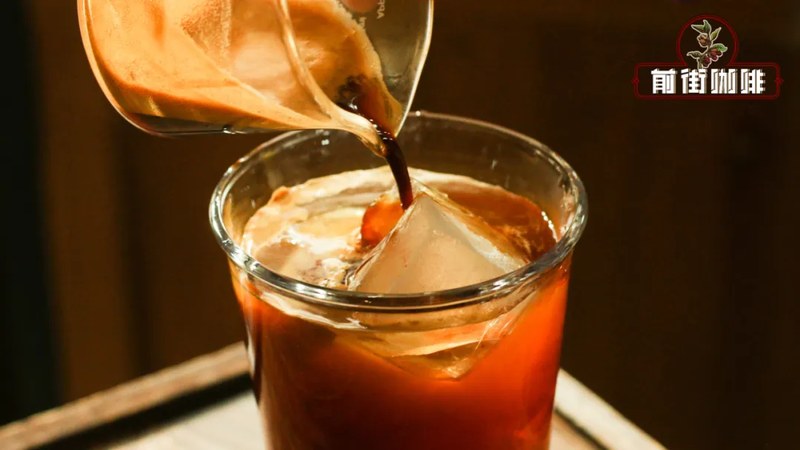
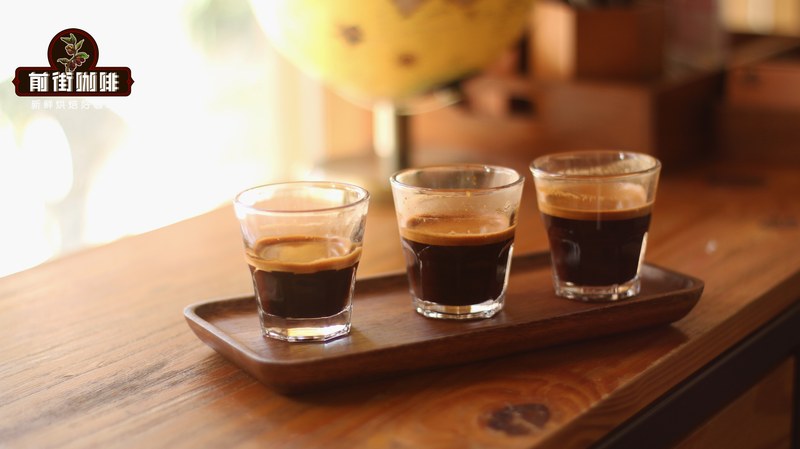
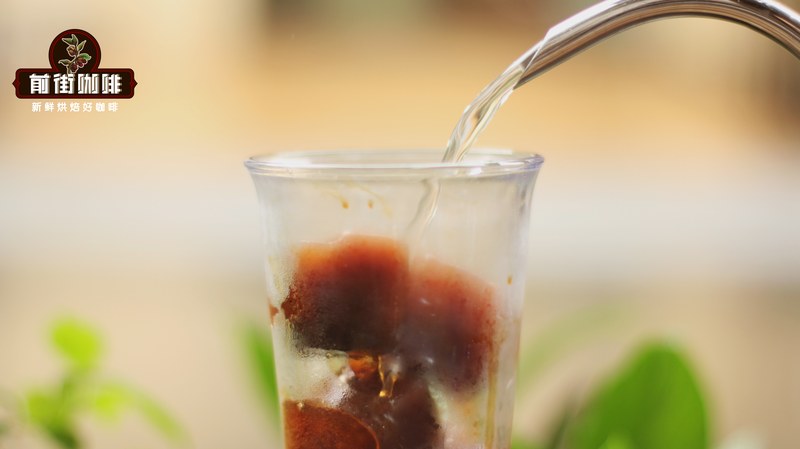
When facing an espresso machine, Yirgacheffe further splits into two completely different approaches: SOE single-origin espresso and traditional blends. If you prefer a refreshing, guilt-free fruity iced americano, making an SOE with single-origin Yirgacheffe will be very impressive. Using an espresso machine, weigh 18.5g of finely ground coffee, extract 37g of espresso through constant-pressure extraction, with the total time controlled at 26 seconds; after the resulting espresso is diluted with ice water, the whole americano is as sweet and sour as iced lemon black tea.
If you are more accustomed to drinking milk coffee in daily life, the traditional blend route is usually more suitable. The acidity of pure single-origin Yirgacheffe, when encountering high-concentration milk, easily makes milk coffee feel thin or even slightly astringent and discordant; while medium-dark roasted blend beans containing an appropriate amount of Yirgacheffe can use the creamy sweetness of milk to transform citrus fruit acidity into a smooth flavor similar to orange peel chocolate, retaining both rich milk fragrance and recognizable aroma.
Once you clarify the difference between these two types, your selection approach becomes very clear. Friends who just want to quietly savor the floral and fruity aromas of a region, are used to pour-over black coffee, or prefer fruity americanos can directly choose single-origin Yirgacheffe or a light-roasted SOE; while friends who keep an espresso machine at home, like making large lattes, or pursue a stable and balanced taste in every cup each day will find it more reliable and convenient to choose espresso blend beans containing a proportion of Yirgacheffe.
Related Reading


Comments (0)
Loading comments...
You May Be Interested

Trending Reviews
Popular Videos

With you, wherever you are! We provide useful features to help you find new things you'll love






