Source:Best Coffee > News Author:qjroot Published:2026-09-19 12:38:56
When making iced coffee, the choice of beans determines whether the cup has a refreshing fruity tea-like quality or a rich chocolate flavor. Single-origin and blends are two completely different flavor paths: single-origin beans focus on showcasing the distinct character of a specific origin's terroir, while blended beans excel at complementing each other's strengths through different bean types, delivering an especially solid and stable full-bodied taste.

If you prefer iced black coffee and crave a light, transparent juice-like quality in summer, single-origin beans are a very fitting direction. Single-origin beans retain the bright acidity and delicate floral notes bestowed by their origin. When the hot-brewed coffee liquid meets ice and chills rapidly, the acidity that was prominent in a hot drink softens into a lively sweetness, making it especially vivid and thirst-quenching to drink.

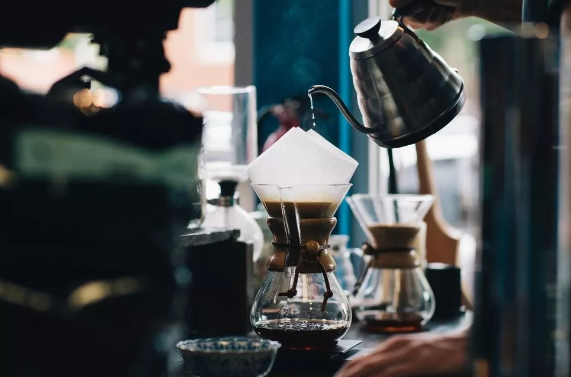
To experience this kind of light fruity aroma, Qianjie Yirgacheffe Gudingding is very representative, carrying fresh citrus and berry aromas with a green tea-like sweetness. When making iced pour-over, take 15g of coffee grounds and pour 225ml of hot water at a 1:15 coffee-to-water ratio, with the water temperature set at 91°C. First pour 30ml of water and bloom for 30 seconds, then pour in two stages steadily until the total time reaches 2 minutes. After brewing, pour it into a cup with ice; the whole cup of iced coffee is icy and translucent, full of a pleasant juice-like quality.
If you want an iced drink with a fuller sweet-and-sour sensation, Qianjie Kenya Little Tomato is another distinctive style. It has the dark fruit sweet-and-sour notes of cherry tomatoes and smoked plums, finishing with a brown sugar sweetness. To make iced pour-over with it, likewise use 15g of grounds with a 1:15 coffee-to-water ratio, pouring 225ml of water, with the water temperature set at 90°C. After pouring 30ml and blooming for 30 seconds, complete the pour in three stages, with a total time of 2 minutes 05 seconds. After cooling, the acidity is clear and the juice-like quality is abundant, like drinking a glass of iced smoked plum juice.
The SOE you often see when ordering an iced Americano at a cafe is actually an espresso made with single-origin beans from one origin. Once made into an iced Americano, SOE sheds the deep bitterness of a traditional Americano and instead presents bright flavors like citrus and florals. However, SOE's crema and body are usually on the lighter side, making it more suitable to be added directly to ice water to make a fruity iced Americano, purely savoring the origin's flavors.
The original design intent of blended beans is to pursue balance, layers and stability. Roasters combine several beans together: some provide a nutty, cocoa base and crema, while others add a gentle sweetness. Especially when making an iced latte, the espresso from blended beans has a solid framework and full body, and after blending with cold milk it still maintains a rich, mellow aroma without being diluted into something bland.
When choosing blended beans, understanding the recipe ratios on the bag is very practical. For example, in a common classic recipe, if it is labeled as seven parts Brazil with three parts Colombia, it usually means the Brazilian beans provide the nutty, caramel and crema foundation, while the Colombian beans supplement sweetness and a faint fruit acidity. The higher the proportion of dark-roasted nutty-style beans in the recipe, the stronger the body of the iced drink; if some light-roasted African beans are blended in, the entry gains a touch of fruity aroma.
To make a rich, fragrant iced latte with blended beans, espresso extraction is the core step. Load 18g of blended coffee grounds into a double basket, level and tamp it, then start the machine and extract at constant pressure for 26 seconds to get 36g of espresso. First add 150g of ice to the cup and pour in 130ml of cold fresh milk, then finally drizzle in the freshly extracted espresso; the entry is full of the sweet, smooth interweaving of nuts, dark chocolate and milk.
Choosing based on your daily habits will be very easy. If you are used to drinking large cups and prefer a refreshing, burden-free pure black coffee, or if you like exploring floral and fruity aromas, light-to-medium roasted single-origin beans and SOE are good options to try. But if you are fond of the silky, rich smoothness of a latte, or if you like making your own flavored specialty drinks, traditional medium-dark roasted blended beans with a solid base flavor and high versatility will be a worry-free, handy partner.
The charm of iced coffee lies in the free flow of flavors as the ice melts. The lively vibrancy of single-origin and the steady solidity of blends each correspond to different summer drinking pleasures. As long as you are clear about whether today you would rather drink a light floral-fruity cold drink or a rich, icy milk coffee, you can follow the recipe clues to pick out the bean that suits you, and comfortably enjoy your own refreshing iced moments.
Related Reading



Comments (0)
Loading comments...
You May Be Interested


Trending Reviews
Popular Videos

With you, wherever you are! We provide useful features to help you find new things you'll love






