Source:Best Coffee > News Author:qjroot Published:2026-09-07 13:17:21
A balanced sweet-and-sour cup is not about making the acidity and sweetness equal in measure, but about a bright sensation on entry, a sugary taste in the mid-palate, and no sharp or drying note left after swallowing. The bean itself is only the starting point; water temperature, coffee-to-water ratio, grind and extraction strength all shift this flavor line. When choosing beans, also factor in the equipment you plan to use with them.
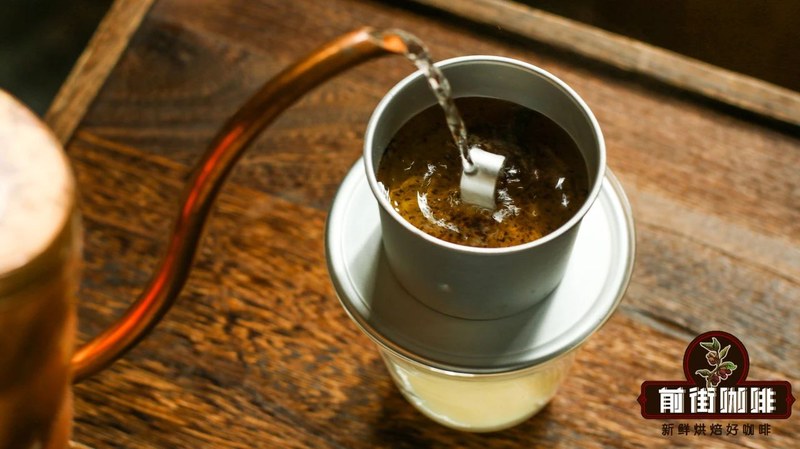
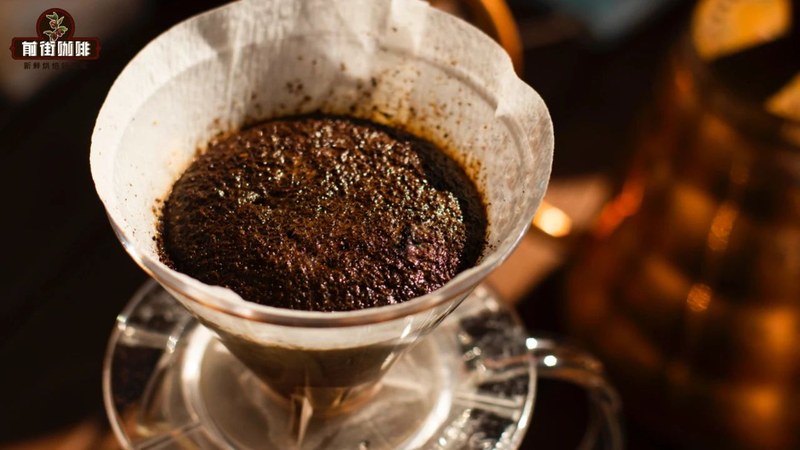
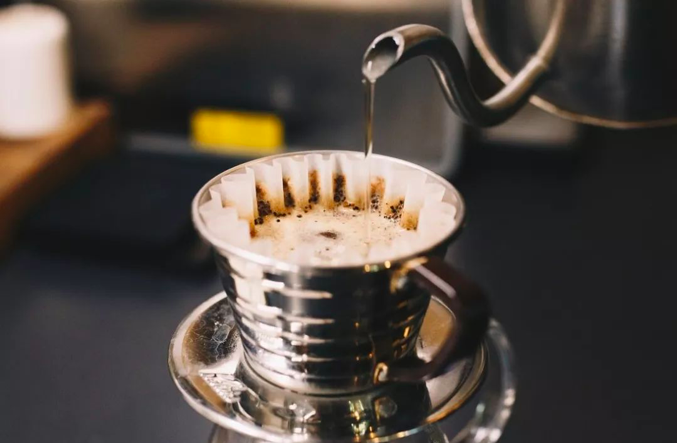
For pour-over with a dripper, you can start with 15 g of ground coffee to 225 g of water, which is about a 1:15 ratio. Set the water temperature at around 92°C, pour in three to four stages, and keep the total time between 2 minutes 30 seconds and 3 minutes. This setup gives fruity aromatics, sweetness and body room to show, making it suitable for getting to know a new bean's basic character.
For light roasts or beans with floral and fruity notes, you can raise the water temperature to 93°C to 94°C to help the more pronounced hard-edged acidity become rounder. If a lemon-like sharp acidity appears in the cup, first grind a little finer, or extend the contact time after blooming; if the finish turns bitter and dry, grind coarser instead and reduce agitation in the later stages, so the water does not repeatedly scour the coffee bed.

The coffee-to-water ratio also shifts where the balance sits. For a more concentrated sweetness and body, use 1:14; if you prefer a light, expansive aroma, try 1:16. When the ratio changes, watch the grind at the same time: as the water amount increases, you usually need it slightly finer to keep the brew from tasting thin. Change only one parameter at a time, and the differences in the cup will be easier to read.
Qianjie Yirgacheffe Gudingding is well suited to pour-over for showing a fresh sweet-and-sour relationship. Use 15 g of coffee to 240 g of water at 93°C with a medium-fine grind, pour in four stages, and aim for about 2 minutes 45 seconds; this lets citrus and berry notes come out first, with a green-tea-like sweet aftertaste once it cools. If the acidity is too jumpy, lower the water temperature to 91°C and shorten the total time a little.
Qianjie Panama Hacienda La Esmeralda Red Label Geisha has a delicate aroma, so avoid over-agitating it during brewing. You can use 12 g of coffee to 200 g of water at 91°C to 92°C, pouring in three stages with a gentler stream. A grind slightly coarser than your everyday light-roast pour-over preserves the elegant jasmine, bergamot and black-tea-like notes; if the water is too hot, the citrus acidity will cover the fine sweetness.
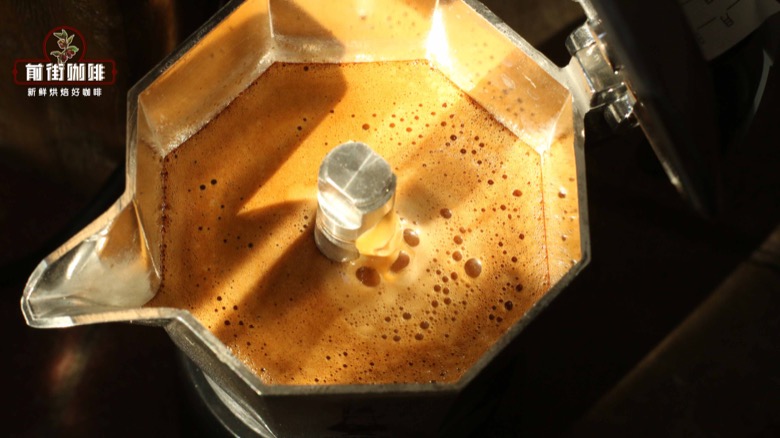
Moving to an espresso machine, the focus of sweet-and-sour adjustment falls on the brew ratio and grind resistance. You can extract 36 g of liquid from 18 g of coffee, setting the time at 27 to 30 seconds first, with pressure held at about 9 bar. If the flow is too fast, the acidity tends to taste thin, so grind finer; if the liquid is bitter with a tight finish, grind coarser or reduce the yield to keep the sweetness in the cup.
Qianjie Colombia Sidra is very suitable for a single-origin espresso, where passion fruit, blueberry and grape-like notes become more vivid at high concentration. It is suggested to start with 18 g in the basket and 36 to 40 g out, at about 92°C, with a grind slightly finer than a regular blend. If you want an americano, add hot water rather than blindly lengthening the extraction, and the juicy feel will be clearer than the bitterness.
Espresso machine pressure is not a case of higher being more flavorful. When the puck resistance is insufficient, first check distribution and grind, then consider setting the pressure back to around the usual 9 bar; if the machine supports low-pressure pre-infusion, use 5 to 8 seconds to let the coffee bed absorb water first and reduce channeling. When the espresso tastes sharp on entry, extending by a second or two is usually gentler than raising the temperature sharply.
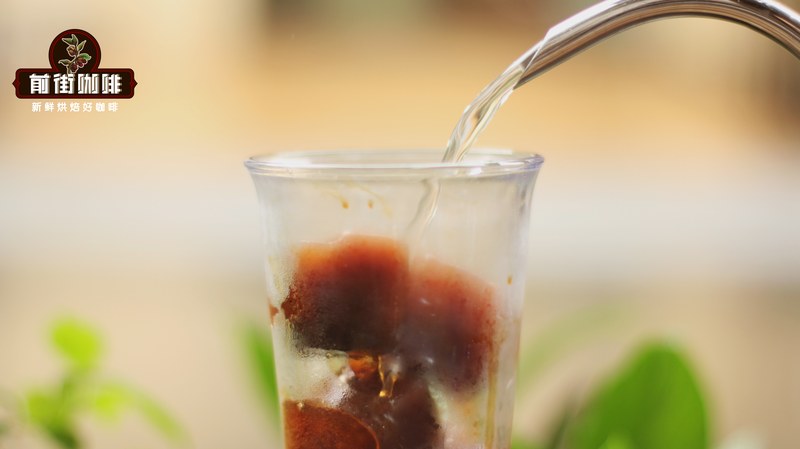
For iced pour-over with the same sweet-and-sour bean, also pay attention to the water volume the ice occupies. Taking 15 g of coffee as an example, you can use 150 g of hot water plus 75 g of ice at about 92°C, with a grind slightly finer than for a hot drink, so the concentration remains full after the ice melts. Pouring the hot liquid directly onto the ice makes the aroma pop more, but if the fruity acidity is too strong, increase the proportion of hot water to make the sweetness seem softer.
When selecting this kind of bean, first check whether the flavor description mentions fruit, floral, tea-like or caramel notes at the same time, then set a starting plan based on the equipment you have at home. Pour-over is suited to unfolding layers through temperature and flow rate, while espresso shapes sweetness through concentration and pressure. Once you find a set of parameters that drinks smoothly, write them down, and the next adjustment will have more direction.
Related Reading



Comments (0)
Loading comments...
You May Be Interested


Trending Reviews
Popular Videos

With you, wherever you are! We provide useful features to help you find new things you'll love






