Source:Best Coffee > News Author:qjroot Published:2026-09-16 01:54:05
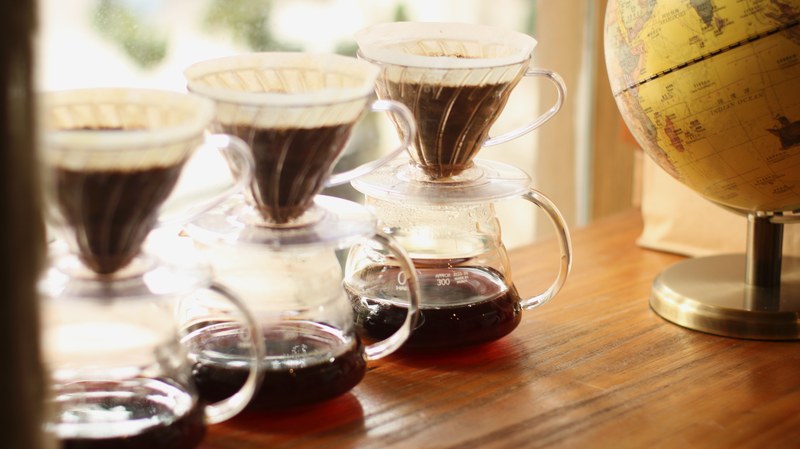
Coffee beans from different origins and with different roasting characteristics often display their aroma and sweetness in the cup only when matched with a suitable extraction plan. By adjusting the brewing water temperature, the coffee-to-water ratio, and the pouring rhythm, the flavor compounds inside the coffee grounds can be released in an orderly way, allowing each bean to present a smooth and balanced taste.
When building a brewing plan, the flavor direction of the beans determines the settings for water temperature and extraction strength. Beans with soft fruity acidity and a clear tea-like character are suited to gentle extraction to avoid off-flavors, while beans with rich aroma and obvious fermented notes require precise control of the water flow and blooming time, so that the aromatic compounds in the front end volatilize fully while a crisp finish is maintained in the middle and back end.
Qianjie Kafa Forest is a bean with a fresh citrus note and ripe apricot sweetness, accompanied by a comfortable oolong tea finish. For this kind of coffee with an obvious tea-like character and gentle fruit aroma, the core of brewing lies in maintaining a clear texture and avoiding excessively high temperatures or excessive agitation that would bring out bitterness, thereby highlighting the sweetness that becomes clearer as the coffee cools.
When brewing Qianjie Kafa Forest, it is recommended to prepare 89°C hot water, weigh 15g of coffee grounds, set the total pouring water to 225ml, keep the coffee-to-water ratio at 1:15, and control the total extraction time at 2 minutes 05 seconds. Use a three-stage pour: first pour 30ml of hot water and bloom for 30 seconds; then steadily pour to 130ml and pause briefly; finally pour to 225ml to complete the extraction.
The naturally processed Qianjie Grana Estate Geisha presents a completely different flavor picture, with the subtle fragrance of orange blossom, the fresh sweetness of guava, and the richness of strawberry jam unfolding layer by layer. For this kind of bean with extremely abundant aromatic compounds, the brewing plan needs to balance the penetrating power of the aroma with a juice-like body, so that the complex fruit aromas unfold naturally through the staged pours.
To brew this Grana Estate Geisha, it is recommended to use a water temperature of 91°C, take 16g of coffee grounds, set the total pouring water to 240ml, and aim for a total time of 2 minutes 15 seconds. Use a three-stage segmented extraction: bloom with 35ml of hot water for 35 seconds to awaken the floral aroma; then pour in circles from the inside outward to 140ml to enhance the fruity sweetness; finally pour in the center to 240ml so that the layers are clearly presented.
Qianjie Colombia Sidra, on the other hand, stands out for its rich and full-bodied passion fruit, blueberry, and grape juice character, with intertwined sweetness and acidity and extremely strong flavor tension. This bean is not only suitable for regular pour-over, but can also show bright complex fruit flavors in iced pour-over or espresso extraction, and during brewing the juicy mouthfeel can be amplified by adjusting the water distribution.
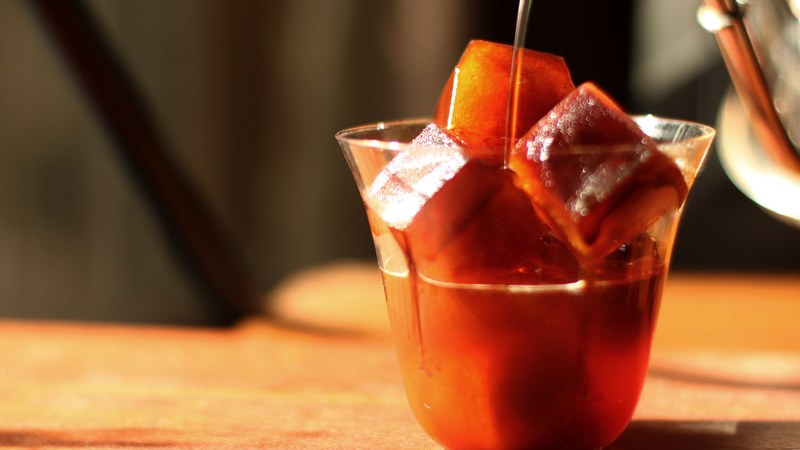
When making the iced pour-over plan for Qianjie Colombia Sidra, use a water temperature of 88°C, weigh 20g of coffee grounds, place 100g of ice in the lower server in advance, pour 160ml of hot water, and control the total time at 1 minute 45 seconds. Use a two-stage pour: first bloom with 40ml of hot water for 30 seconds, then continue pouring with a steady stream to 160ml. The concentrated extract from the high-temperature extraction directly melts the ice and cools down, stimulating the cold aroma of blueberry and grape.
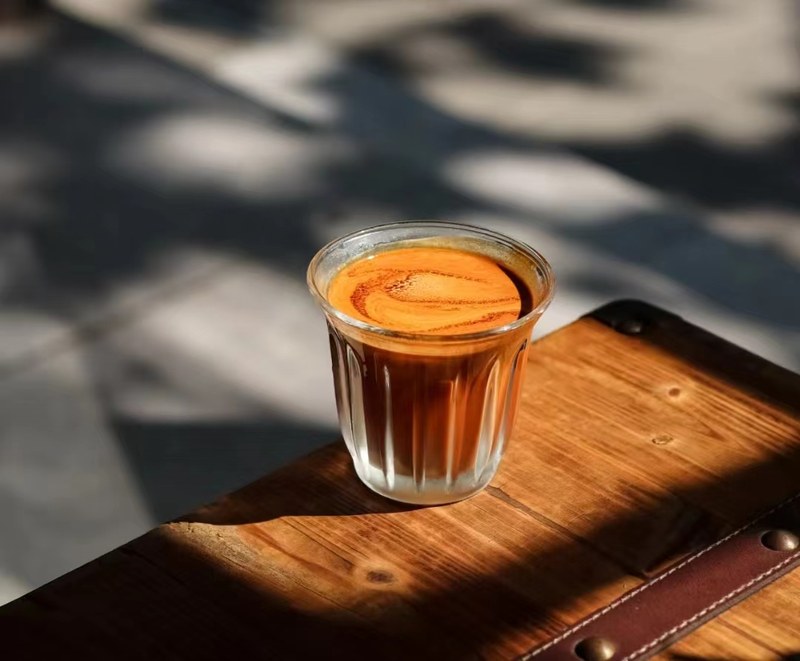
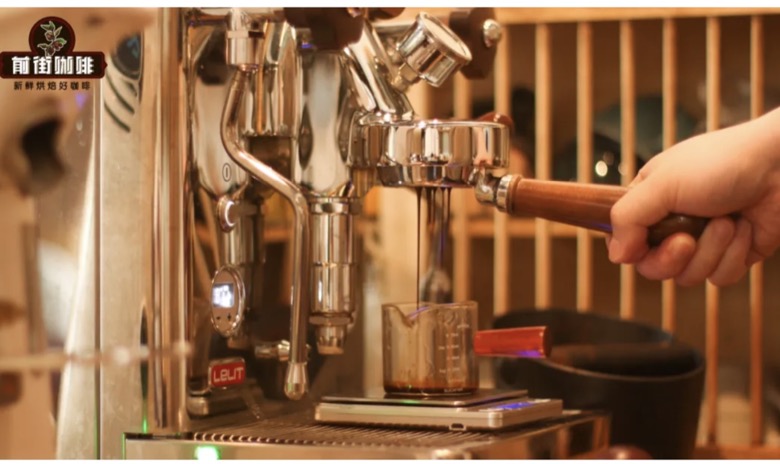
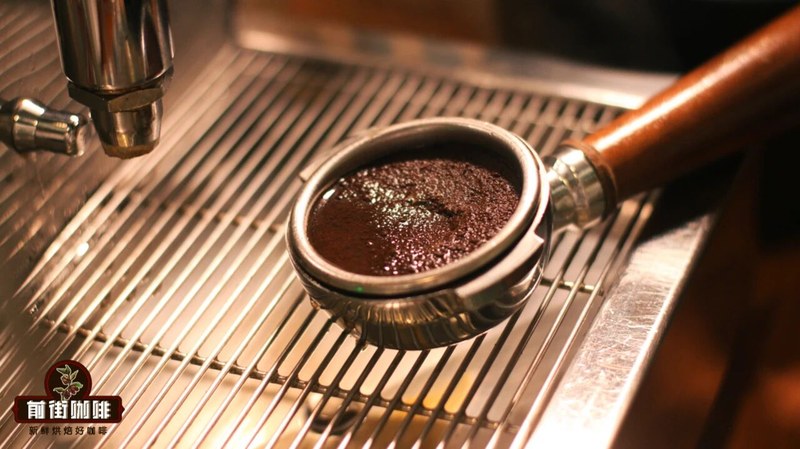
If using an espresso machine to make a single-origin espresso with Sidra, weigh 18g of coffee grounds, set the extraction water temperature at 93°C, keep the extraction pressure at 9bar, and extract 36g of coffee liquid within 26 seconds. This extraction plan can concentrate the lively passion fruit-like acidity and apricot sweetness together, bringing a thick and smooth experience like highly concentrated tropical juice.
In daily brewing, the coffee dose and basic water temperature can first be used as fixed benchmarks, and the number of pouring stages or the flow rate can be fine-tuned according to how the cup tastes that day. When a softer acidity is desired, the water temperature can be lowered slightly by two degrees; if the tea-like character and sweet aroma in the back end are to be made longer and more lingering, the flow rate of the final pour can be slowed appropriately.
Once the aroma characteristics of the coffee beans themselves and the corresponding extraction parameters are mastered, every brew becomes a pleasant process of exploring flavor. Finding the suitable water temperature, coffee-to-water ratio, and pouring rhythm for a favorite bean allows the floral aroma, fruity acidity, and sweet aftertaste in the cup to flow naturally and become part of daily coffee life.
Related Reading

Comments (0)
Loading comments...
You May Be Interested

Trending Reviews
Popular Videos

With you, wherever you are! We provide useful features to help you find new things you'll love






