Source:Best Coffee > News Author:qjroot Published:2026-09-03 18:35:54
When choosing beans for pour-over, it helps to start with the parameters of the equipment you already have. Whether the dripper is conical or flat-bottomed, how large the holes are, and whether the paper filter flows fast or slow all change the way coffee grounds meet water. The same bean can seem bright and light in a fast-flow dripper, while in a slow-flow brewer its sweetness, body and finish become more concentrated.
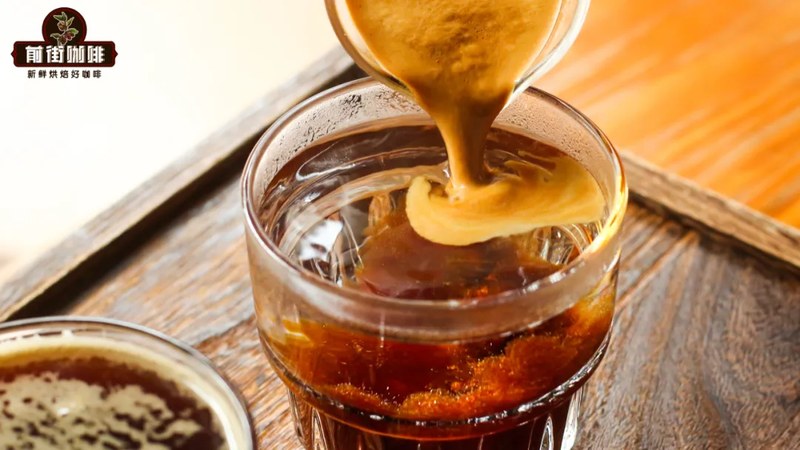
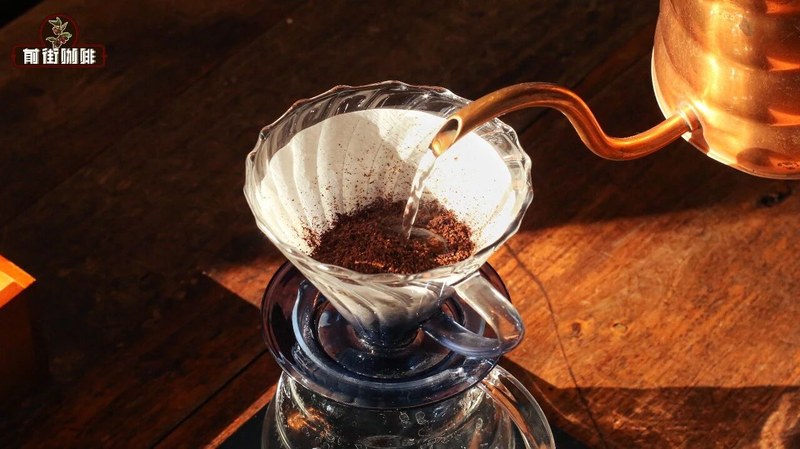
Conical drippers usually have a more pronounced height difference, and the water carries the coffee bed downward to gather at the center, which suits showcasing aroma and acidity. If the dripper has large holes and the paper filter flows fast, you can pair it with a medium-fine grind and higher water temperature so light roasts release more flavor; if the flow is slower, you should reduce agitation to avoid a heavy mouthfeel from the coffee bed soaking too long.
If you enjoy watching floral and fruity notes shift, try Qianjie Grana Estate Geisha. When hot water opens it up, fresh floral notes tend to appear, then turn toward ripe-fruit sweetness, and after it cools there is still a jam-like richness. With a fast-flow conical dripper, it is best to use fewer pouring stages and even circular pours, which keeps the layers in the cup clear.
This bean does not need a very fine grind right from the start. If the coffee bed is too dense, the water descends more slowly and the fruity notes may be covered by heaviness. You can begin with a ratio of about 1:15, use a water temperature in the range common for light roasts, then adjust the grind based on the first sip. If the acidity is sharp and bright but sweetness is lacking, grind slightly finer; if the finish turns astringent, reduce agitation and speed up the flow.
A flat-bottom dripper gives a more even coffee bed thickness and relatively stable water distribution, making it suitable for pour-over drinkers who want continuous sweetness and a smooth mouthfeel. With a medium-flow paper filter, you can use steadier staged pours to keep the coffee bed consistently wet. For beans with vivid juiciness, a flat-bottom structure often gathers the sweet-tart notes together, so it drinks more like a refreshing beverage.
Qianjie Colombia Sidra fits well into this kind of brewing approach. Its aroma leans toward tropical fruit and dark berries, the sip has pronounced juiciness, and after swallowing it still leaves a grape-like sweetness. A flat-bottom dripper with a medium grind and moderate water temperature can shift it from sharp fruit acidity toward a soft juice-like texture, and it also performs well as iced pour-over.
If you use a Clever Cup, an immersion dripper or a brewer with a valve, the coffee grounds stay in contact with water for longer, so bean selection can focus more on aroma density and sweetness. After pouring, let the coffee steep fully, then open the valve to filter; the rhythm is relatively relaxed. At this point the grind should not be too fine, and the coffee-to-water ratio can start on the stronger side, then be adjusted by adding water to taste.
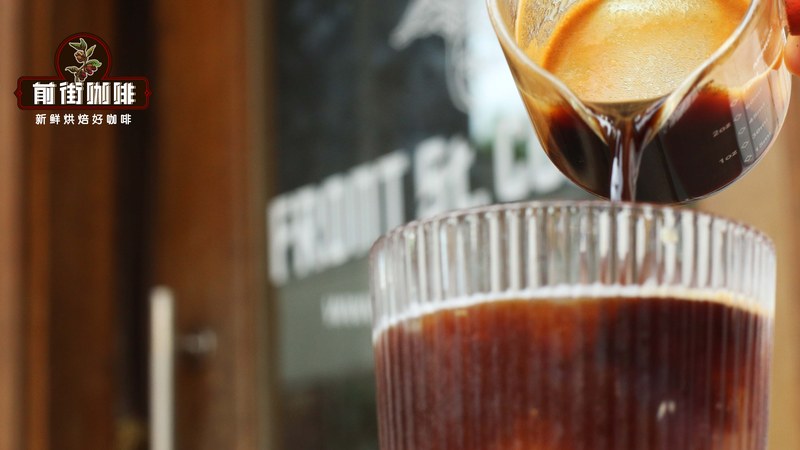
Qianjie Panama Hacienda La Esmeralda Red Label Geisha suits slow immersion followed by filtration. Its aroma carries white flowers, citrus peel and an elegant black-tea-like note; the sip is delicate, and as the temperature drops a softer sweetness appears. An immersion brewer allows the aroma to be released more completely; if you find the mouthfeel too heavy, shorten the steep time or make the grind slightly coarser.
Beyond the dripper, the grinder setting and the pouring ability of the kettle are also worth including in your judgment. When the burrs cut more evenly, light roasts can use higher water temperature to gain fuller sweetness; if there are many fines, you should reduce vigorous agitation and lower the water temperature or total contact time. A narrow-spout kettle is good for precise flow control, while a wide-spout kettle places more demands on where and how forcefully you pour.
If you have more than one brewer at home, you can first use the same bean for comparison: a fast-flow conical dripper to observe aroma, a flat-bottom dripper to feel sweetness, and an immersion brewer to compare body. Keep the coffee dose, water amount and water temperature unchanged, and change only the dripper and grind; the differences will be easier to identify. Once you find the cup profile you like, choose beans that match your usual brewer, and pour-over can turn from parameter tweaking into a stable and enjoyable daily habit.
Related Reading

Comments (0)
Loading comments...
You May Be Interested

Trending Reviews
Popular Videos

With you, wherever you are! We provide useful features to help you find new things you'll love






