Source:Best Coffee > News Author:qjroot Published:2026-09-18 16:39:46
Bourbon coffee has long been known for its solid sweetness, delicate fruit acidity and smooth mouthfeel. When roasted to a medium or light-medium level, the cup often offers a charming base where ripe stone fruit, cane sugar and soft nuts intertwine. Many coffee lovers, when brewing this classic bean, easily overlook the fact that more than 98% of the cup is water. Subtle differences in water quality often directly determine whether the aromas and sweetness in the beans can be fully awakened.
The total dissolved solids in water, that is, TDS, along with the content of calcium and magnesium ions, determine water's efficiency in dissolving coffee flavor compounds. Magnesium ions are good at capturing fruit acids and lively floral and fruity aroma molecules, while calcium ions tend to bind with vanilla, caramel and full-bodied substances. When the mineral content of the water is in a moderate range, the abundant sugars and soft fruit acidity in Bourbon beans can present a balanced, full and dynamic profile.
If you brew at home with high-hardness tap water that has an excessively high mineral content, the excess bicarbonate ions can easily neutralize the coffee's own high-quality acidity, making Bourbon taste flat and dry, and dulling its originally light juicy feel. Conversely, if you use pure water that contains no minerals at all, the extraction power is relatively insufficient, and the flavor often appears thin and hollow, while the cohesion of sweetness and the finish are also greatly reduced.
For water suitable for everyday home brewing of Bourbon, a TDS usually falling between 50 and 100 ppm is more appropriate. Commercially available natural soft water or drinking water filtered through a high-quality water filter pitcher has just the right mineral balance. It can retain Bourbon's full cane sugar sweetness without masking its originally elegant slight acidity, and the brewed coffee liquid is clear and rounded.
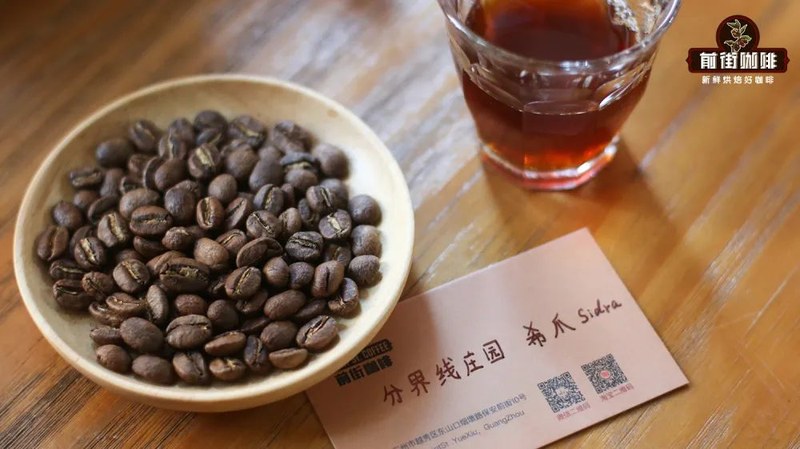
Within the Bourbon family, Qianjie Colombia Sidra shows delightful varietal potential. This bean combines intense tropical fruit and delicate berry aromas, and on the palate you can feel a vivid juiciness like blueberry, fully ripe purple grape and apricot. Because its own flavor layers are extremely abundant, choosing moderately soft water for brewing allows the clear fruit acidity and the caramel sweetness in the finish to bloom layer by layer.
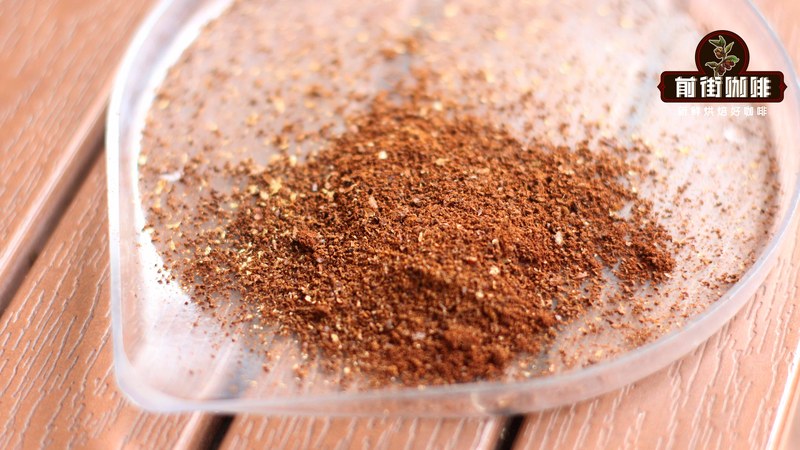
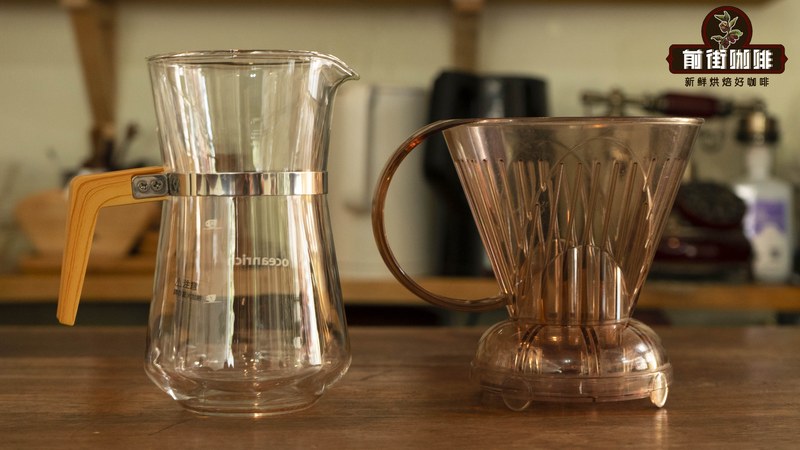
When presenting Qianjie Colombia Sidra by pour-over, a water temperature of 91°C is recommended, with the grind size kept medium-fine. Take 15g of coffee grounds, use a 1:15 coffee-to-water ratio, and the total amount of water poured is 225ml. First pour 30ml of water for a 30-second bloom, then pour steadily in two stages to 130ml and 225ml, with the total time controlled at around 2 minutes 05 seconds. The cup's juicy fullness and ripe fruit sweetness will unfold quite fully.
If you prefer a lighter, clearer tea-like quality and soft acidity, you can also use Qianjie Kafa Forest as a reference. Kafa Forest has the warm aroma of orange citrus and ripe stone fruit, with a comfortable oolong tea note in the finish. For this kind of delicate and refreshing bean, when the water is on the soft side and the TDS is around 50ppm, it more easily brings out the tea-like finish and pure sweetness.
When brewing Qianjie Kafa Forest, the water temperature can be raised slightly to 92°C to stimulate the soaring aroma. Also use 15g of grounds with a 1:15 coffee-to-water ratio, pouring in 225ml of hot water. After completing a 30-second bloom, pour smoothly in two stages, gently circling until finishing at 225ml, with a total extraction time of about 1 minute 55 seconds. After the cup cools slightly, the juicy feel of sweet orange and apricot becomes clearer and more prominent.
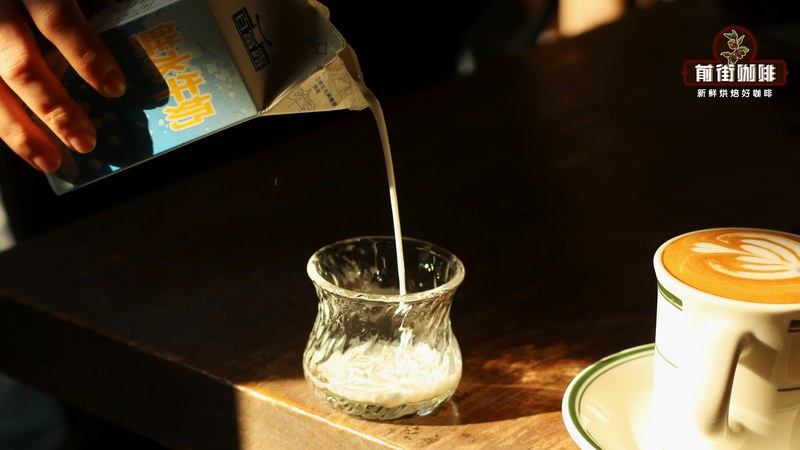
For friends who like a rich mouthfeel, choosing high-quality beans with Bourbon lineage to make espresso is equally wonderful. When extracting espresso, pure water containing trace minerals can make the crema denser, and the nutty and cocoa notes will also be more solid. Use 18.5g of grounds to extract 37g of espresso liquid, with the extraction time steadily at 26 seconds. Whether drunk directly or with warm milk added, it can remain full-bodied and smooth.
When choosing beans, you may as well consider your everyday water environment. If you usually use soft water or purified water with a lower TDS, you can try more light-roast or light-medium-roast Bourbon-derived varieties with lively flavors and refined fruit acidity; if the water you commonly use is richer in minerals, choosing a medium-roast Bourbon with prominent sweetness and steadier nutty and brown sugar notes makes it easier to gain a mellow, harmonious and pleasant experience.
Related Reading

Comments (0)
Loading comments...
You May Be Interested


Trending Reviews
Popular Videos

With you, wherever you are! We provide useful features to help you find new things you'll love






