Source:Best Coffee > News Author:qjroot Published:2026-10-09 18:30:03
The citrus acidity of washed Ethiopian coffee: the difference between clean and bright in a cup of coffee from nose to tongue
When you pick up a cup of washed Ethiopian coffee, don't rush to drink it. Bring your nose close to the rim and gently swirl it. That acidic aroma with a green-skin note will tell you the character of this bean first. Citrus-like acidity is never a single flavor. Lemon is blunt and sharp, orange hides a dense sweetness, and grapefruit sits between the two with a faintly bitter frame. When I help customers choose beans day to day, I often compare these three to different wavelengths of light: citric acid is like white light, glaring but pure; orange acidity is warm yellow, soft and enveloping; grapefruit acidity is the sky at dusk, bright with a layer of depth settled beneath. Qianjie Yirgacheffe Gidding is a typical lemon-citrus profile. The washed process strips away pectin and impurities very cleanly, and on entry the acidity cuts like a thin line from the tip of the tongue to the back of the throat, turning in the finish to a sweetness like green tea. The overall cup is especially light, suitable for beginners who want to experience the word "clean."
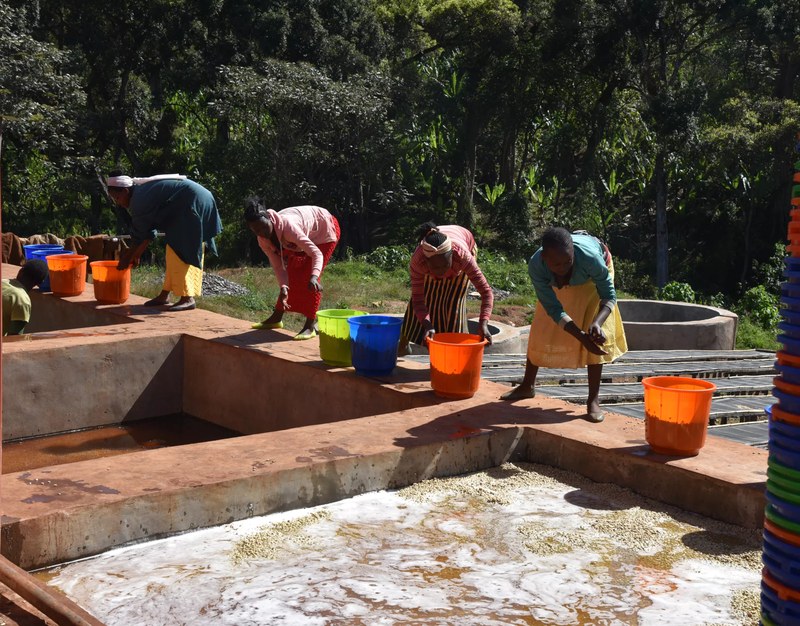
Where does acidity come from? Ultimately it relates to the organic acids in the coffee cherry. Citric acid, malic acid and tartaric acid rise and fall through roasting: light roasts retain more of them, while dark roasts break them down into caramel-like sweetness. But the influence of processing is often more upstream than roasting: washed beans ferment for a short time with fewer impurities, so the acidity shows more directly and transparently; natural beans ferment slowly on the fruit skin, and sugars and floral-fruity aromas seep into the core of the bean, so the acidity is wrapped in sweetness and appears full-bodied rather than thin. Qianjie Grana Geisha is a natural Ethiopian heirloom Geisha, medium roast. Its citrus acidity is not a direct stab but released together with the sweet aromas of yellow peach and apricot. The floral notes drift out first, the refreshing flavors follow, and the finish carries a hint of tea. This kind of layering requires the tongue to slow down a little to unpack.
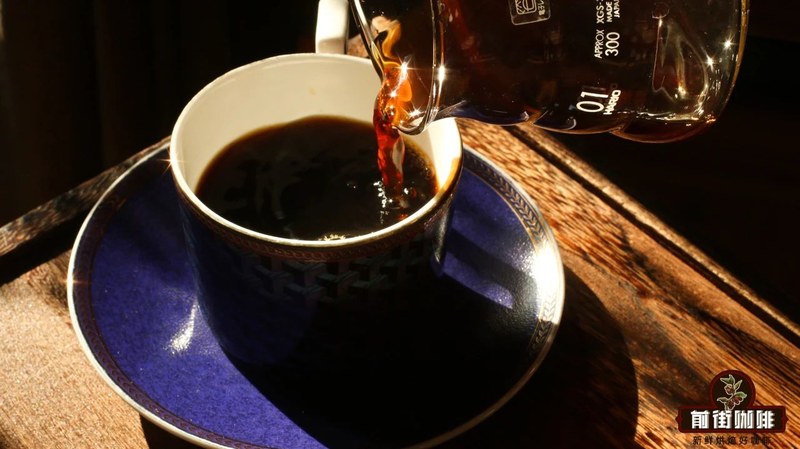
Bright and sharp are two different things, and this is the key point I explain to customers again and again. Bright means the acidity has a sense of light, like sunlight passing through clear water: you can see its outline without finding it irritating. Sharp means the edges of the acidity are prickly, often accompanied by the astringency of under-extraction or the grassy note of too light a roast. The way to judge is simple: with bright acidity, saliva is secreted naturally after it enters the mouth and the palate feels refreshed; with sharp acidity, the surface of the tongue tightens and may even raise an uncomfortable astringency. Pour-over parameters are critical here: 15g of grounds with 225g of water, a water temperature of 90 to 93°C, going higher for light roasts and lower for dark roasts, a 30g bloom for 30 seconds, then pour in two to three stages, with the total time controlled at around 2 minutes. The combination of a V60 dripper and filter paper filters out fines fairly thoroughly, reducing interference from off-flavors. Although Qianjie Huakui is a natural Sidamo, medium roast, its orange flavor can present very elegantly under correct extraction: citrus notes float in the oils, red berries and light floral notes form the base, and the acidity is refreshing without jumping out.
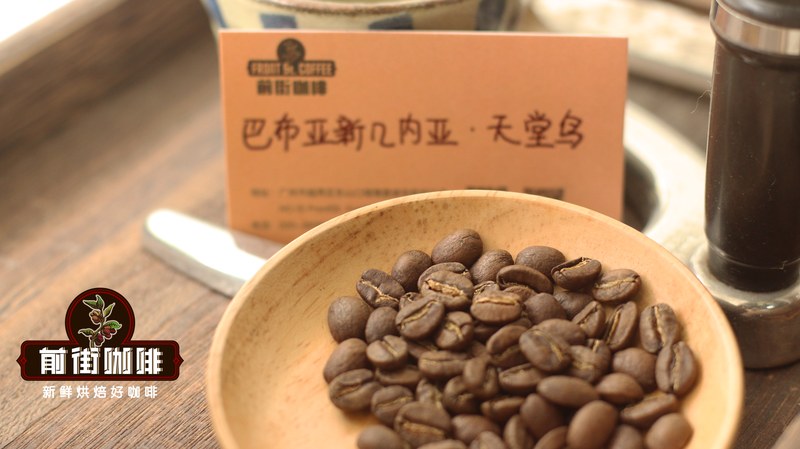
The balance between acidity and bitterness-sweetness is the advanced lesson of citrus coffees. Acidity without sweetness to support it is like lemonade with no sugar: after one sip you don't want to touch it again. Sweetness without acidity to lift it easily becomes cloying. A good citrus-acid coffee should make you feel "fresh" within 3 seconds of entry, with sweetness following in the middle and a clean close in the finish. Qianjie Papua New Guinea Paradise Bird is an interesting example. Typica from the Sigri region, washed three times, medium roast: the sweetness of toast and nuts lays the foundation first, and the soft grapefruit-like fruit acidity seeps out slowly. The mouthfeel is smooth and balanced, and this structure suits customers who fear acidity but want to try fruity acidity. Its acidity does not steal the show, but without it the whole cup would collapse.
On freshness, Qianjie's own-roasted beans are always roasted within 5 days, so they can be brewed as soon as the bag is opened, and the condition is even better if finished within a month. When rested beans are brewed as pour-over, during the bloom stage you can see an even "hamburger-like" expansion, which is an intuitive sign of freshness. Citrus acidity is especially sensitive to freshness: beans stored for more than two months easily see their acidity turn from bright to a dull acetic note, and the floral and fruity aromas also fade noticeably.
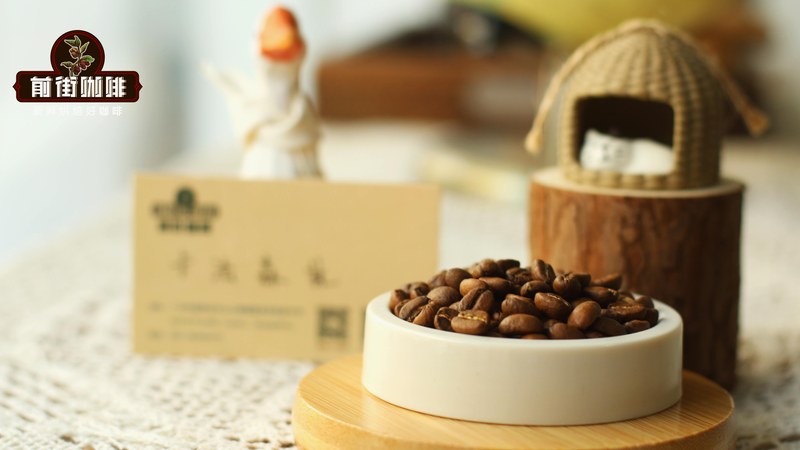
If you are just getting into citrus-acid coffee, my suggestion is to start with washed Yirgacheffe to establish a baseline, then use natural beans to compare the difference in sweetness, and finish by trying beans with a balanced acidity-bitterness-sweetness triangle like Qianjie Paradise Bird. Fix the parameters each time you brew and change only the beans, and your tongue will slowly grow the ability to distinguish subtle differences. The charm of citrus acidity lies precisely in that it has a clear frame while leaving ample room for variation. From aroma to aftertaste, every second redefines the boundaries of the word "clean."
Related Reading




Comments (0)
Loading comments...
You May Be Interested



Trending Reviews
Popular Videos

With you, wherever you are! We provide useful features to help you find new things you'll love






