Source:Best Coffee > News Author:qjroot Published:2026-05-18 11:55:56
Blue Mountain coffee has long enjoyed immense fame, often associated with high-quality adjectives such as the best, the most expensive and the rarest, and it has even earned the title of the "Emperor of Coffee." Blue Mountain coffee actually comes from coffee produced in the Blue Mountain region of eastern Jamaica.
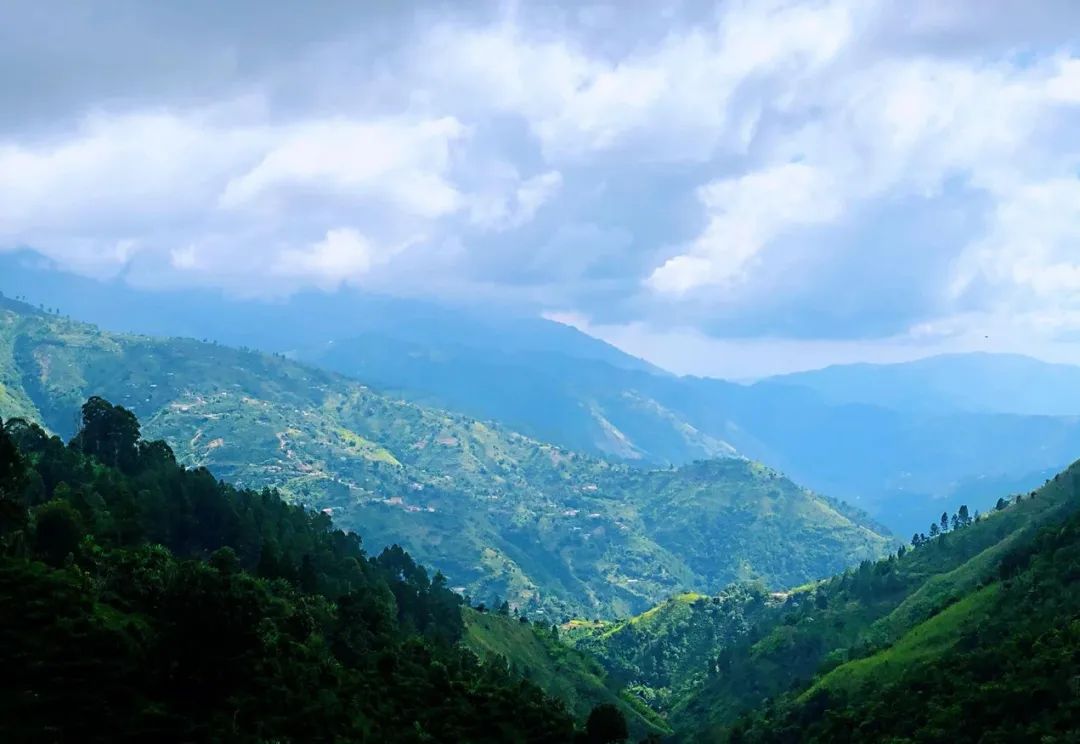
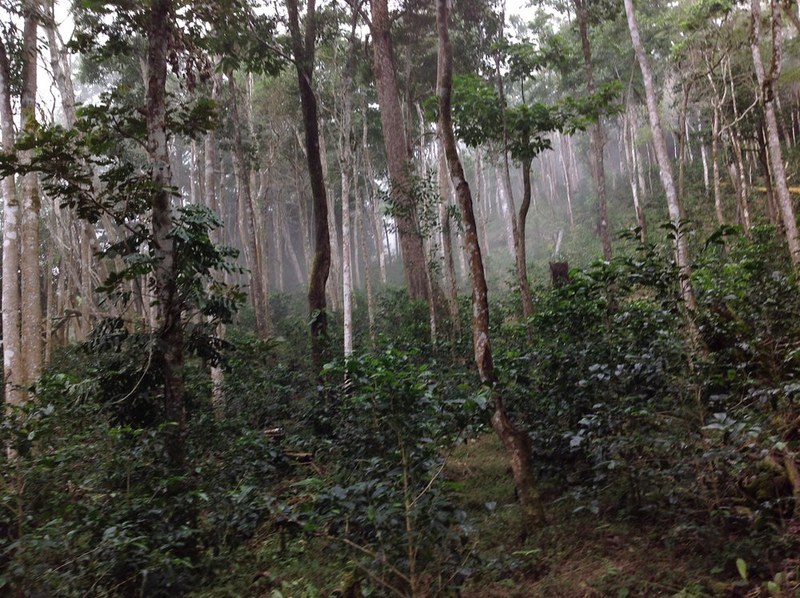
Jamaica is an island country in the northwest of the Caribbean Sea. In the east of the country lies the famous Blue Mountains. The main peak of the Blue Mountains, Blue Mountain Peak, has an elevation of 2256 m, making it the highest peak in the Caribbean region, and the range contains many peaks above 1500 m. The Blue Mountains sit on the Pacific Ring of Fire, with fertile volcanic soil, a humid and rainy climate, year-round fog cover and temperatures that remain around 27°C. This climate and natural environment gave rise to the world-renowned Jamaican Blue Mountain coffee.
The name of the Blue Mountains comes from many years ago, when a British soldier arrived in Jamaica and saw the peaks of this mountain shrouded in blue light, appearing as a whole like a great blue mountain, and so called it "Blue Mountain." In fact, this is because the Blue Mountains are surrounded by sea on all sides; in good weather, sunlight falls on the sea surface, and as the seawater refracts the light, it is reflected onto the many peaks of this great mountain, making it appear blue.
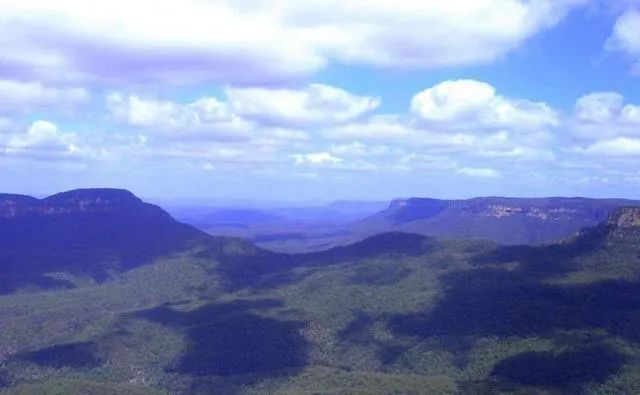
Coffee first came to Jamaica in the 18th century, when a Jamaican governor introduced Arabica coffee seeds from Martinique and planted them in the eastern St. Andrew region. Later, coffee cultivation spread from the St. Andrew region to the entire Blue Mountain area. At that time Jamaica had more than 600 coffee plantations, and thanks to Jamaica's local geography and climate, the coffee quality was excellent and deeply loved by coffee consumers around the world.
In the late 1960s, the entire island of Jamaica was hit by hurricane disasters. Whether coffee or other crops, all were destroyed by the hurricanes, with severe losses, and the coffee industry began to decline. But during this period, Japan's economy was developed and it greatly loved Blue Mountain coffee, so several Japanese trading companies provided loans to Jamaica's famous estates in exchange for shares, and also obtained priority purchasing rights.
To thank the Japanese companies for their helping hand, the Jamaican government signed a 30-year supply contract with Japan in 1972. Ninety percent of Jamaica's annual coffee output would be supplied to Japan, with the remainder supplied to other countries, so export volumes were extremely small. Afterwards, through publicity by the Japanese, a "Blue Mountain craze" was set off. The extremely small quantity plus successful marketing also caused the price of Blue Mountain coffee to soar crazily, and it was at this time that it gained the title of "Emperor of Coffee." At present, the contract between Jamaica and Japan has expired, and Blue Mountain coffee has also begun to be sold to other countries.
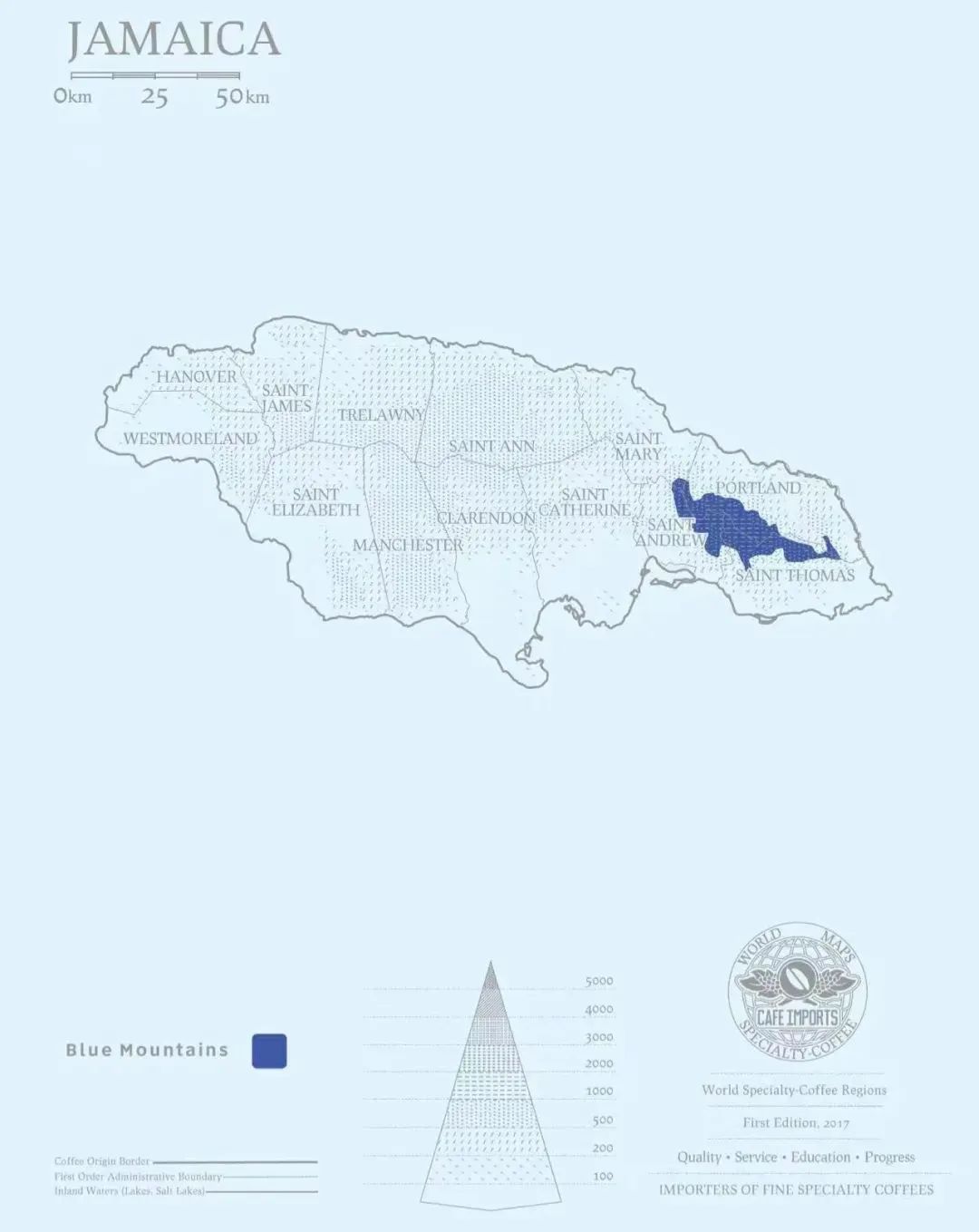
Moreover, the Jamaican government attaches great importance to the coffee industry and established JACRA (Jamaica Agricultural Commodities Regulatory Authority), and now every barrel of Blue Mountain coffee beans must undergo quality supervision through JACRA. At the time of its establishment, the Coffee Industry Regulation Act was also promulgated, delineating the world-famous "Blue Mountain Coffee Growing Region". According to the provisions of the promulgated Coffee Industry Regulation Act, the Blue Mountain growing region is distributed across four parishes: St. Andrew, St. Thomas, Portland and St. Mary, and only Typica variety coffee grown within this region at an altitude of 915 m to 1700 m can be named Jamaica Blue Mountain coffee (Jamaica Blue Mountain).
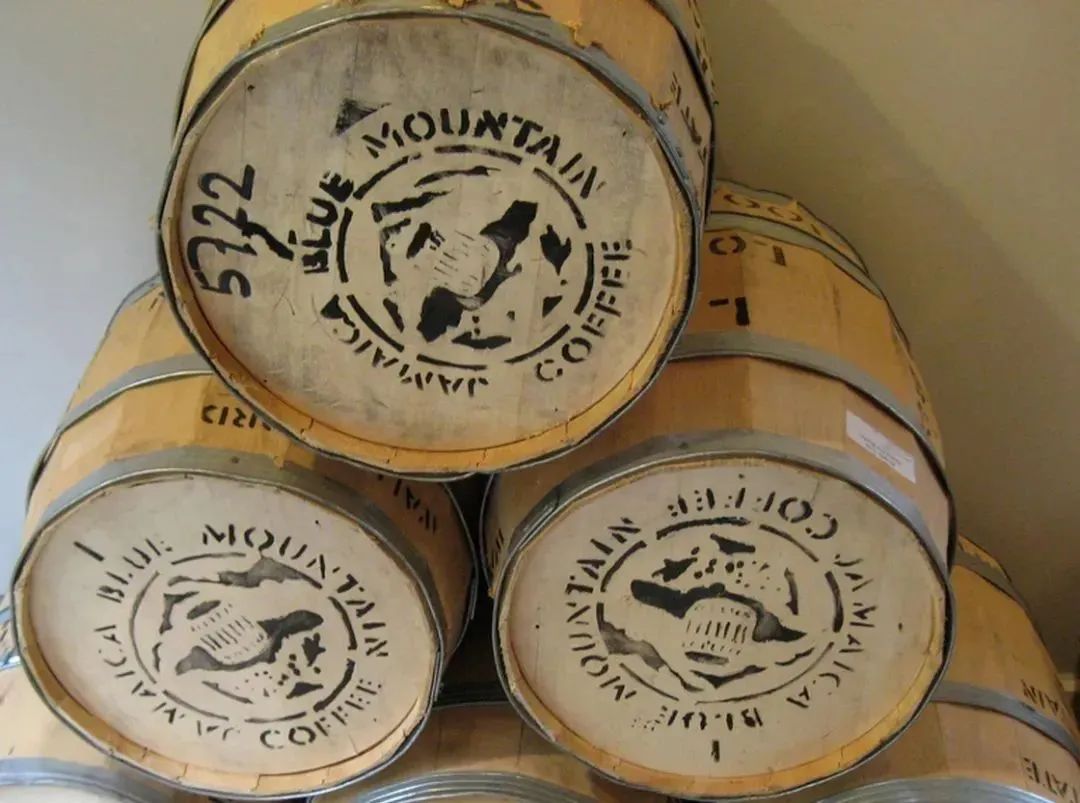
Blue Mountain coffee is currently the only coffee exported in wooden barrel packaging, and only Jamaica Blue Mountain (No. 1, No. 2, No. 3, PB and Jamaica High Mountain (High Mountain Supreme, High Mountain PB)) can use it, with specifications of 70 kg, 30 kg and 15 kg. Among them, the highest grade Blue Mountain No. 1 coffee must meet a specification of 17 screen or above, with a defective bean ratio not exceeding 2% and a moisture content of about 10-12.5%. The lid of the wooden barrel is printed with the Jamaica Blue Mountain coffee trademark, while other grades of Jamaican coffee are all exported in 60 kg jute sacks.
In Jamaica Blue Mountain, the Typica (Typica) variety is mainly grown; this variety, together with the Bourbon (Bourbon) variety, belongs to the oldest surviving coffee varieties, originating in Ethiopia. Typica is more suited to being grown in high-altitude areas, and high-altitude cultivation gives better quality, but yields are low and it is extremely susceptible to leaf rust, nematodes and berry disease; however, over the years, the Jamaican nation has persisted in and carefully cultivated the Typica variety, and in Blue Mountain the Typica can adapt well to the local climate and soil and has evolved better disease resistance.
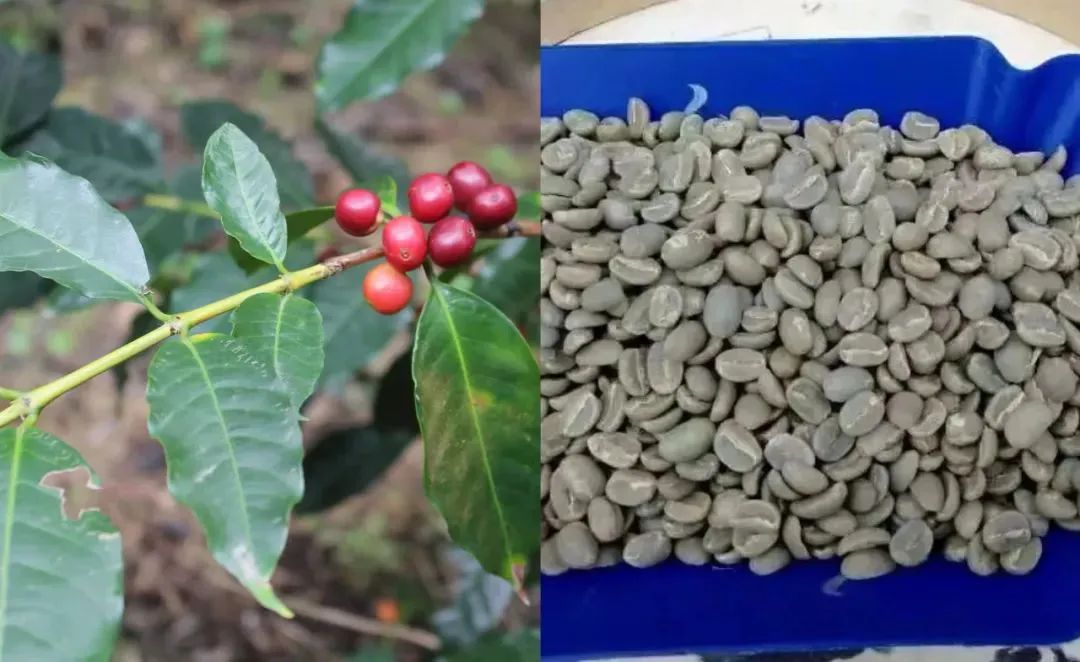
At present, Blue Mountain has quite a few well-known coffee estates producing Blue Mountain coffee, such as the Clifton Mount estate, which has a long history of cultivation; this estate began coffee cultivation and production as early as the mid-18th century and became the only estate in Jamaica with "Rainforest Alliance (must meet sustainable agriculture system standards)" certification.
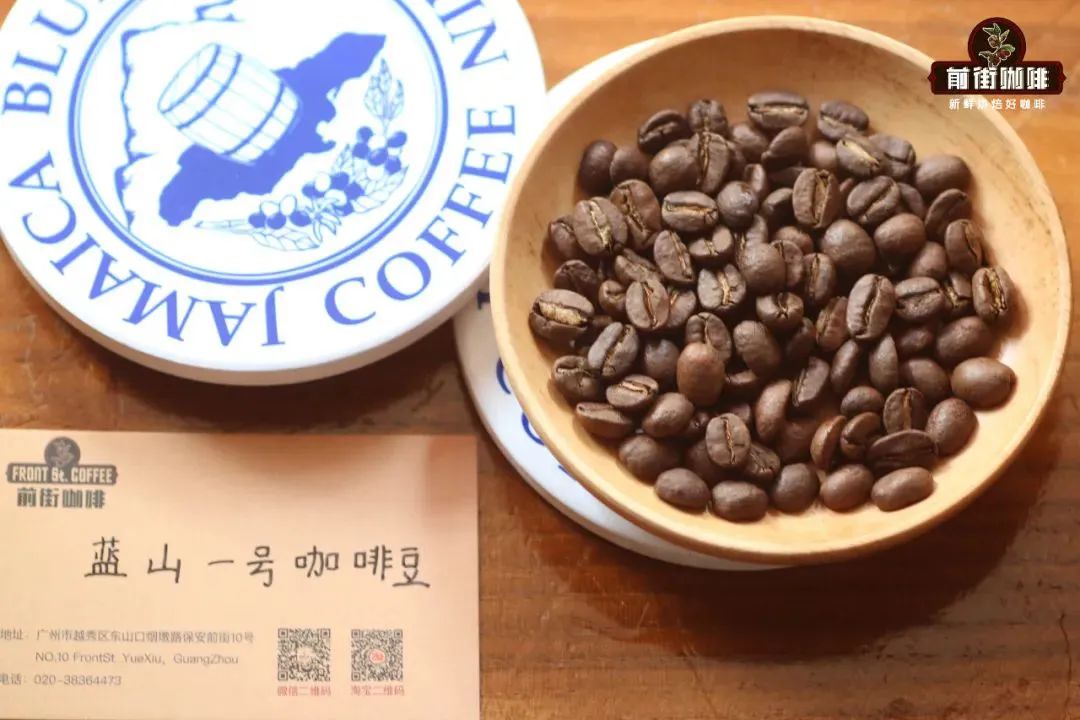
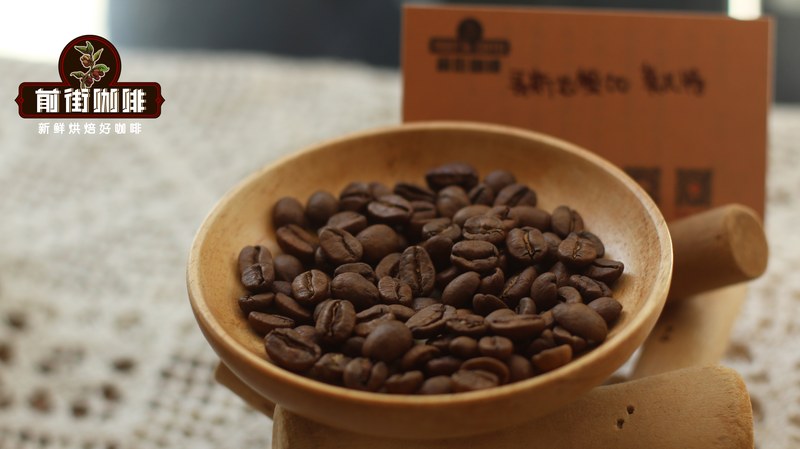
The Clifton Mount estate is located in the St. Andrew parish, growing coffee at an altitude of 1642 m. It was originally a British government experimental coffee growing site, and later Clair took over the cultivation and operation. After subsequent government reform, the entire estate began to be renovated and the most advanced cultivation and roasting factory in Jamaica was built, enabling the production of highly stable and excellent-quality Jamaica Blue Mountain coffee. Qianjie Blue Mountain coffee comes from Jamaica Clifton Mount estate Blue Mountain No. 1 beans, and on tasting you will feel a slight citrus acidity, with nut and cocoa flavors, a silky mouthfeel and overall balance.
To learn more about coffee origins and information, please scan the QR code to follow: Kaping
Long-press the QR code to follow:

Related Reading
Comments (0)
Loading comments...
You May Be Interested

Trending Reviews
Popular Videos

With you, wherever you are! We provide useful features to help you find new things you'll love






