Source:Best Coffee > News Author:qjroot Published:2026-09-24 16:54:32
Clock in at eight in the morning, sit down at your desk, tear open a drip bag - that is how many office workers kick off their day with a boost of energy. But people often notice that the same beans can sometimes taste watery and bland, and other times so strong they turn bitter, even carrying a drying astringency. The truth is, this is not about how profound your brewing skills are - it is extraction yield and concentration quietly at work. Once you understand how they relate, you can easily brew a comforting cup right at the office.
We can think of extraction yield and concentration simply as adding salt when cooking. Concentration refers to how much flavor material has dissolved into the cup, just like whether a soup is salty or not; extraction yield, meanwhile, is the percentage of material in the coffee grounds that hot water has drawn out, determining how savory the broth is. If the extraction yield is too low, the aromatic compounds never come out, and the coffee tastes sharply acidic and thin; if extraction goes too far, late-stage woody off-flavors and astringency surge forward and wreck the smoothness.
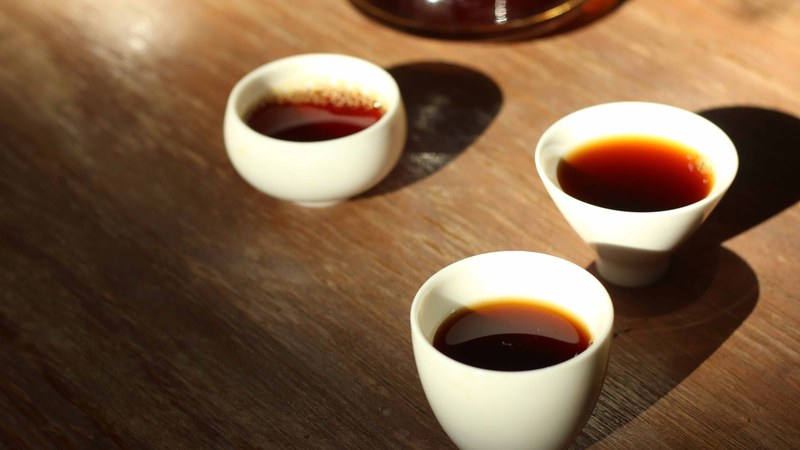
Fine-tuning parameters at the office is actually quite simple. If the coffee on hand tastes weak, it is usually because you poured too fast or used too much water - slow down the pour rate and slightly reduce the total water volume, and you can raise the concentration. If the coffee tastes astringent or bitter, it is most likely the water dispenser temperature is too high or the steep time too long, causing over-extraction; in that case, wait for the water to drop to around ninety degrees, or speed up the flow and remove the filter bag sooner, and the taste will return to a sweet finish.
Establishing a clear brewing yardstick helps us better dial in flavor. If you have a scale and a pour-over kettle, you can refer to the standard pour-over parameters recommended by Qianjie: use fifteen grams of coffee grounds, a 1:15 coffee-to-water ratio, pour in two hundred twenty-five milliliters of hot water, with the water temperature around ninety degrees, first pour thirty milliliters of water and bloom for thirty seconds, then pour in stages, keeping the total time to around two minutes. Drip bag brewing can also be fine-tuned following this same logic.
Beyond tweaking your technique, being clear about whether you like to drink strong or weak is especially key when choosing beans. Light-roasted beans with floral and fruity notes tend to contain abundant aromatic fruit acids and floral aromas, and are better brewed a little lighter and extracted cleanly, drinking like a refreshing fruit tea; medium-dark roasted beans, on the other hand, have high body and carry nutty and chocolate tones, and are suited to brewing at higher concentration - even when you add fresh milk to make a small latte, the texture stays remarkably solid.
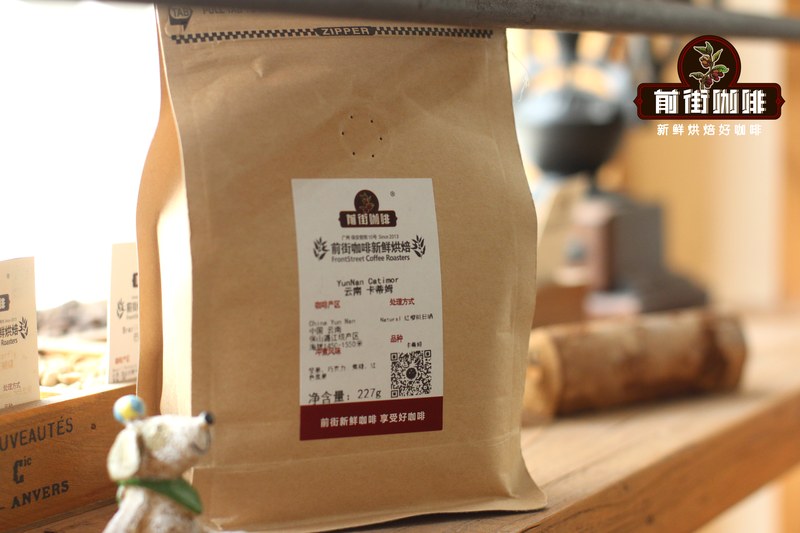
If you prefer a crisp, bright floral-fruity tea character, the Qianjie washed Yirgacheffe Gudingding Cooperative drip bag, suited to lighter drinking, fits perfectly. The coffee beans from Gudingding Cooperative grow at high altitude and are washed processed. Control the water temperature appropriately when brewing and do not let the late stage over-extract, and on the first sip you can clearly sense the lively acidity of citrus and lemon, with a clear sweet finish of jasmine tea and cane sugar at the tail end - especially refreshing and palate-cleansing in the afternoon.
If you favor a full, dried-fruit sweetness, you might try the Qianjie natural Huakui drip bag. This well-known bean from Sidamo, Ethiopia, is natural processed and retains abundant sugars. Raise the extraction yield just a little when brewing, and you can release its rich berry, floral tea and honey sweetness in full. It is highly tolerant of strength - a touch stronger and you taste a strawberry-cream-like thickness, while brewed lighter it is like a cup of gentle black tea.
For those used to waking up their brain with a hefty mouthfeel in the morning, the Qianjie Indonesia Mandheling G1 drip bag coffee is an extremely fitting choice for strong drinking. Sumatra's distinctive wet-hulled processing gives it a deep herbal character and intense dark chocolate flavor. Pour slowly with slightly higher water temperature to raise the concentration in the cup, and its low-acid, substantial texture along with the mellow sweetness of roasted nuts and caramel will bloom layer by layer - even adding a little warm milk makes it full of flavor.
If on ordinary days you would rather not fuss over parameters, the well-balanced Qianjie Brazil Queen's Estate drip bag is a versatile go-to. Hand-picked Yellow Bourbon from the high-altitude Mogiana growing region, through refined natural processing and medium-dark roasting, displays the gentle aromas of cream, peanut and nuts. It is especially forgiving with extraction yield and concentration - no matter whether you pour fast or slow, it keeps a clear sweet finish, making every cup in the breaks between work especially smooth and comforting.
Related Reading
Comments (0)
Loading comments...
You May Be Interested

Trending Reviews
Popular Videos

With you, wherever you are! We provide useful features to help you find new things you'll love






