Source:Best Coffee > News Author:qjroot Published:2026-10-05 12:57:40
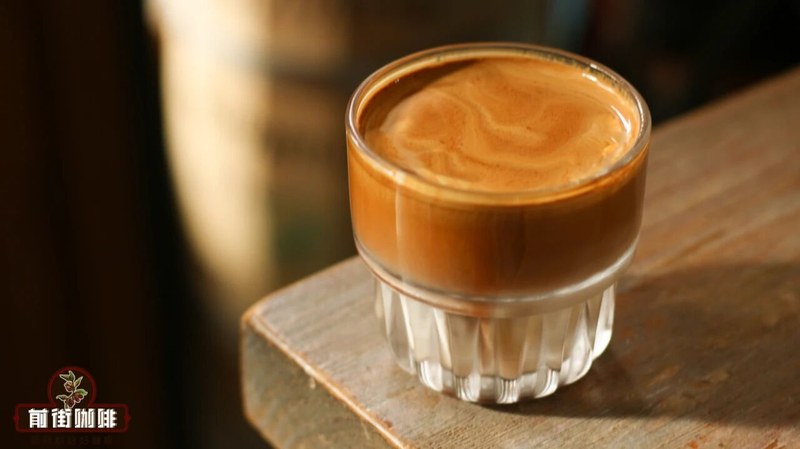
The dense, golden-brown foam on the surface of espresso is known in the coffee world as "Crema". This phenomenon arises from the physical mechanism of high-pressure extraction: when hot water penetrates the coffee bed under a pressure of around 9 bar, it not only extracts soluble flavor compounds but also emulsifies the lipids naturally present in the coffee beans. At the same time, freshly roasted coffee beans contain a large amount of carbon dioxide sealed inside; under the high-pressure environment, these gases are forced to dissolve into the liquid coffee phase, and once they flow out of the portafilter and meet normal atmospheric pressure, they rapidly expand and escape. The melanoidin substances produced during coffee roasting happen to provide this layer of foam with stable color and temporary structural support, allowing it to persist on the surface of the liquid for anywhere from tens of seconds to several minutes.
Body is one of the core dimensions in coffee tasting; it describes the physical texture the liquid presents in the mouth - whether dense like velvet or light like water. This concept does not point to the identification of a specific flavor but belongs to a composite experience of touch and proprioception. Coffee with a high body often brings a pronounced sense of weight and coating, similar to the mouthfeel when drinking thick soup or freshly squeezed juice; even if certain coffees have lively acidity, as long as suspended substances are abundant, they can still present a full texture. It is worth noting that body and flavor intensity are not the same category: a coffee with a prominent body may have simple flavors, while a coffee with complex flavors may also have a thin texture.
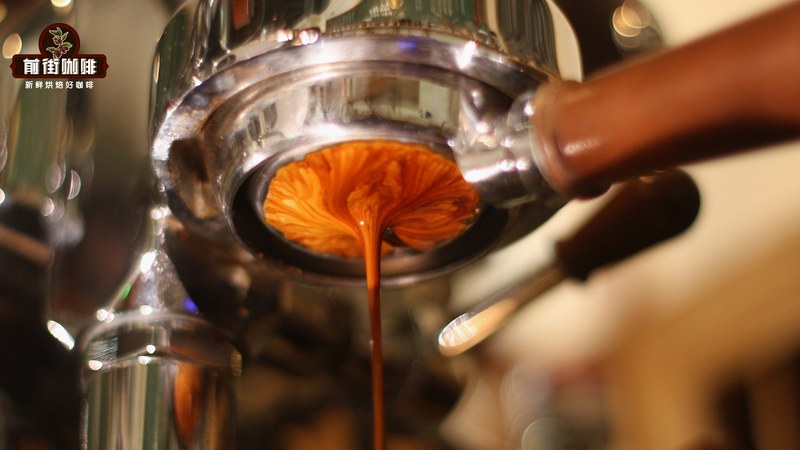
From the perspective of extraction chemistry, the substances in liquid coffee can be divided into two major categories: soluble and insoluble. The former includes organic acids, sugars, caffeine, and various aromatic compounds, which truly dissolve in water and form the flavor framework of coffee; the latter covers fine fibers, protein aggregates, and emulsified oil particles, which exist in suspended form in the liquid phase, cannot be fully identified by the naked eye, yet produce key textural feedback when they contact the oral mucosa. Oil components in particular, due to their hydrophobic nature, form microscopic spheres in the liquid, significantly increasing the viscosity and smoothness of the coffee and becoming a core element in building body.
There is no inevitable causal relationship between the abundance of Crema and the strength of Body. Crema is mainly composed of carbon dioxide and emulsified lipids, and its thickness is regulated by multiple factors such as coffee bean freshness, roast depth, and extraction pressure; whereas Body depends more on the total amount and particle size distribution of insoluble solids. However, in the actual drinking experience, the presence of Crema does have value that cannot be ignored: as an enrichment layer for aroma molecules, it can amplify the perception of coffee aroma, while its delicate foam structure brings an extra dense tactile sensation on entry, making the textural layers of the entire cup of espresso richer.
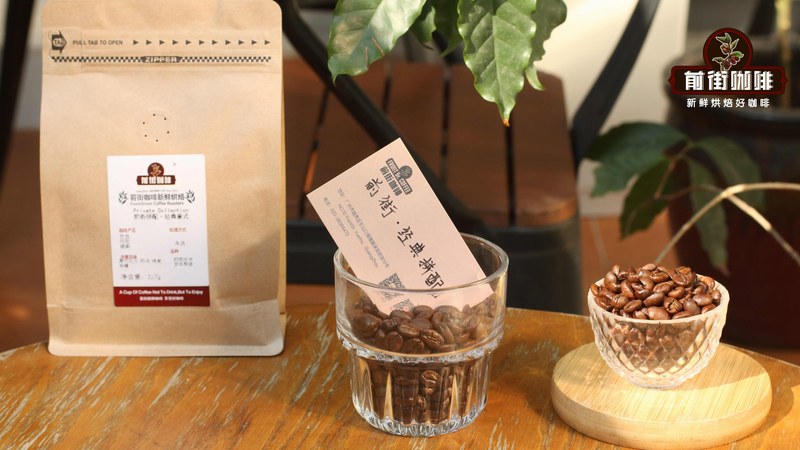
For enthusiasts who pursue oil performance and a rich, full-bodied texture, choosing a blend designed specifically for espresso extraction is a reliable path. Qianjie Black Cocoa Blend takes creamy cocoa flavor as its main line, with a very solid body performance; after adding milk, its chocolate tonality becomes even clearer, making it suitable for milk-based coffees such as lattes and cappuccinos. Qianjie Specialty Blend, on the other hand, takes a hazelnut flavor route; this product was developed specifically for home users and cafe production scenarios, and under conventional espresso parameters - 18 to 19 g of coffee grounds extracting 36 to 38 g of liquid coffee in 25 to 28 seconds - it has an excellent extraction success rate, so even enthusiasts with limited operating experience can consistently obtain ideal crema and mouthfeel.
Understanding the relationship between Crema and Body helps build a more systematic understanding of coffee extraction. Crema is the visual mark and aroma carrier of high-pressure extraction, while Body is the oral texture shaped by insoluble substances; the two are supported by different material foundations, yet they mutually enhance each other in the complete drinking experience. When a cup of espresso has both a lasting golden-brown crema and a full body, it means the extraction system has reached a coordinated state across all three dimensions: gas release, lipid emulsification, and solid suspension. This coordination is not accidental but the result of the combined action of coffee bean characteristics, roasting curves, and extraction parameters, and it is also a core proposition worth continuous exploration in espresso making.
Related Reading

Comments (0)
Loading comments...
You May Be Interested


Trending Reviews
Popular Videos

With you, wherever you are! We provide useful features to help you find new things you'll love






