Source:Best Coffee > News Author:qjroot Published:2026-08-30 19:29:52
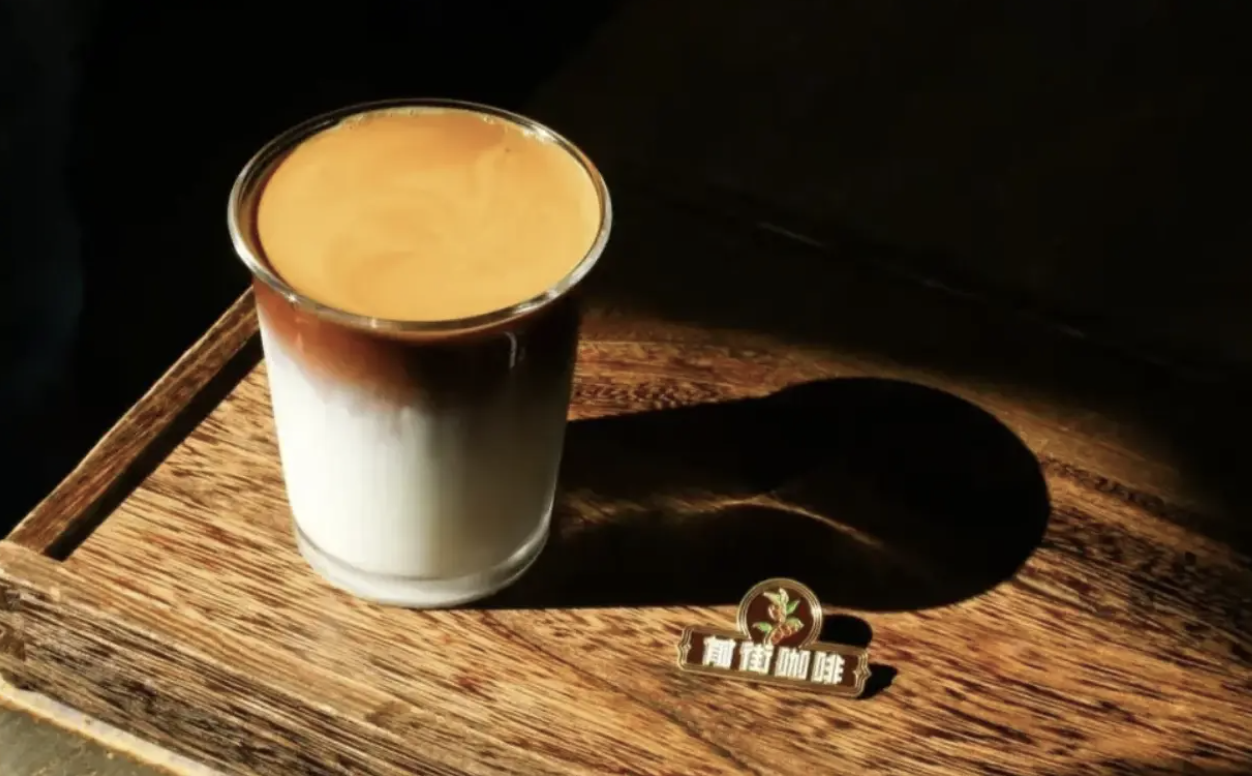
The golden foam on the surface of espresso is, strictly speaking, called coffee fat, or what is commonly known as crema. It mainly comes from the carbon dioxide stored in coffee beans after roasting, forming fine bubbles driven by high-pressure hot water. If you want the crema to look thick and rich, you cannot just focus on the bean name; you also need to judge freshness, roast direction and machine parameters together as one set of factors.
From the bean itself, medium-dark roasts tend to produce more visible crema than light roasts, because the roasting process forms more gas and the cell structure more easily releases its contents during grinding and pressurization. Beans with nutty, cocoa notes such as those from Brazil are usually better suited to producing an espresso with even color and a thick mouthfeel; light-roast single origins may have thinner foam, but they can retain clearer fruit acidity and floral notes.
The roast date also changes how the shot turns out. When beans have just been roasted, gas release is vigorous, making it easy to produce a large amount of coarse bubbles, but the flavor may carry an obvious roasted note; after resting for a period, the amount of crema may decrease, while the aroma and sweetness instead become more harmonious. For home espresso machines, beans about one to four weeks after roasting can be given priority, then adjust the usage time according to flow rate and the foam in the cup.
Machine pressure is a key condition affecting the foam. The nominal pump pressure of common home machines may reach a relatively high value, but the pressure actually acting on the puck is also affected by flow rate, puck resistance and the pressure relief structure. If the water flow is too fast during extraction, pressure is not fully built up, and the surface tends to be thin; if the puck resistance is too great, pressure keeps accumulating, which also brings a bitter, astringent espresso.
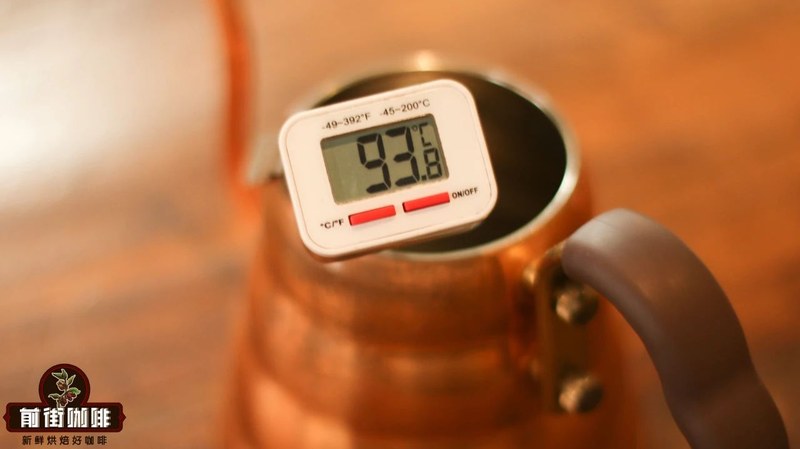
Temperature must likewise match the roast level. Medium-dark roasted beans can start from a lower brewing temperature, making cocoa, caramel and nutty sweetness softer; when the temperature is too high, the foam color may darken, but that does not mean the flavor is fuller. Light-roasted beans need more sufficient heat to open up the aroma, but if the machine's temperature control fluctuates greatly, acidity and astringency will be amplified along with the extraction time.
Dose and yield determine the espresso's sense of thickness. Taking a double basket as an example, you can first use about 18 g of coffee and 36 g of liquid as a test starting point, observing the flow rate within 20-plus seconds to 30 seconds. For a more intense taste, reduce the yield; if there is a lot of foam but the sip is hollow and thin, then check whether the dose, grind and basket match, rather than simply pursuing surface height.
The grind size needs to make the water meet even resistance. If the grind is too coarse, water will quickly pass through the puck, the foam will be loose, and the acidity will easily seem sharp; if the grind is too fine, the flow will be slow, the crema color will be darker but bitterness will rise. When distributing the grounds, minimize clumps, and keep tamping level; the key is to let the entire puck bear a similar water flow, not to use more force in exchange for more foam.
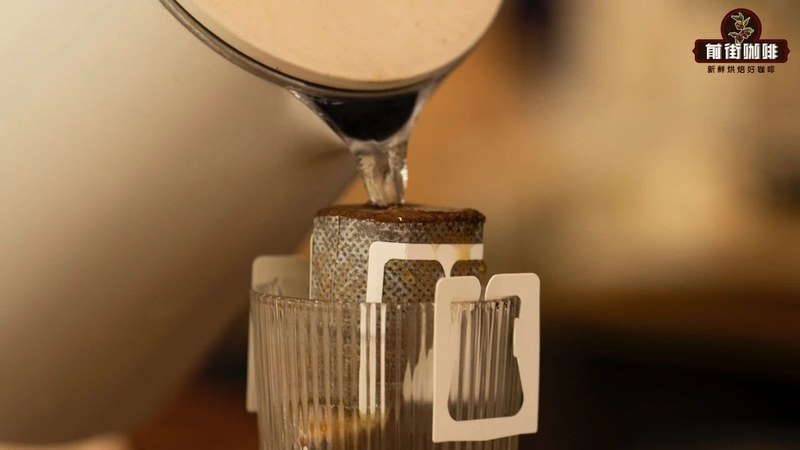
When Qianjie Brazil Queen Estate is used for espresso, sweet aromas such as nut, cocoa and caramel easily form a rounded base, and the soft acidity does not overpower the main body of a milk coffee. If using a 58 mm basket, you can start with 18 g of coffee and 36 g of yield, paired with a medium-fine grind; when making a latte, appropriately shorten the yield, and the coffee flavor will remain clearer in the milk.

Qianjie Classic Blend is better suited to tuning the equipment parameters toward stability and thickness. Its nut, cocoa and caramel flavors are easier to identify at high concentration, and home semi-automatic machines can try a shorter yield ratio, paired with warm milk or made directly into an americano. If the foam color turns white and dissipates quickly, first adjust the grind one step finer, and check whether the beans have been opened for too long.
Qianjie PWN Indonesia Golden Mandheling's herbal, dark chocolate and full-bodied character suits those who like low acidity and a heavy mouthfeel. When used for espresso, there is no need to pull the liquid too long, to avoid the dry astringency in the tail becoming obvious; a shorter yield paired with a medium-dark roast setting can keep a certain amount of foam on the cup surface and also concentrate the dark-chocolate-like thickness, making it especially suitable for a small americano.
To judge how much crema there is, you can observe three things: whether the foam is fine and dense, whether the color is even, and whether it slowly falls back after standing. Thick foam is only one signal of the extraction state; the beans that truly suit you also depend on the sweetness on the palate, the bitterness and their presence in milk coffee. Choosing according to your home basket size, machine temperature control and the drinks you usually have will often make it easier to get a drinkable espresso than chasing an exaggerated layer of foam.
Related Reading


Comments (0)
Loading comments...
You May Be Interested



Trending Reviews
Popular Videos

With you, wherever you are! We provide useful features to help you find new things you'll love






