Source:Best Coffee > News Author:qjroot Published:2024-10-05 18:35:21
According to Brazilian media reports, Brazil's Minister of Mines and Energy said at a press conference recently that Brazil may resume daylight saving time by the end of this year. However, the government has not yet made a final decision on the matter, but if the current severe drought situation does not improve in the coming days, the government will reinstate daylight saving time, possibly as early as November.

Brazil has been affected by fires for some time now. Earlier reports indicated that about 5 million square kilometers were affected, with 60% of the country's land area impacted. Even now, fires are still occurring in some areas. According to reports, a forest fire recently broke out in the MACICO DA TIJUCA area of Rio de Janeiro state, forcing the closure of some highways in the state.
Due to the dry weather, Brazil has not seen significant rainfall recently. According to data from Brazil's National Center for Monitoring and Early Warning of Natural Disasters, 1,188 cities in Brazil have gone 90 consecutive days without significant rainfall, 600 cities have gone more than 130 consecutive days without significant rainfall, and the highest recorded in some cities reached 178 days without rainfall.
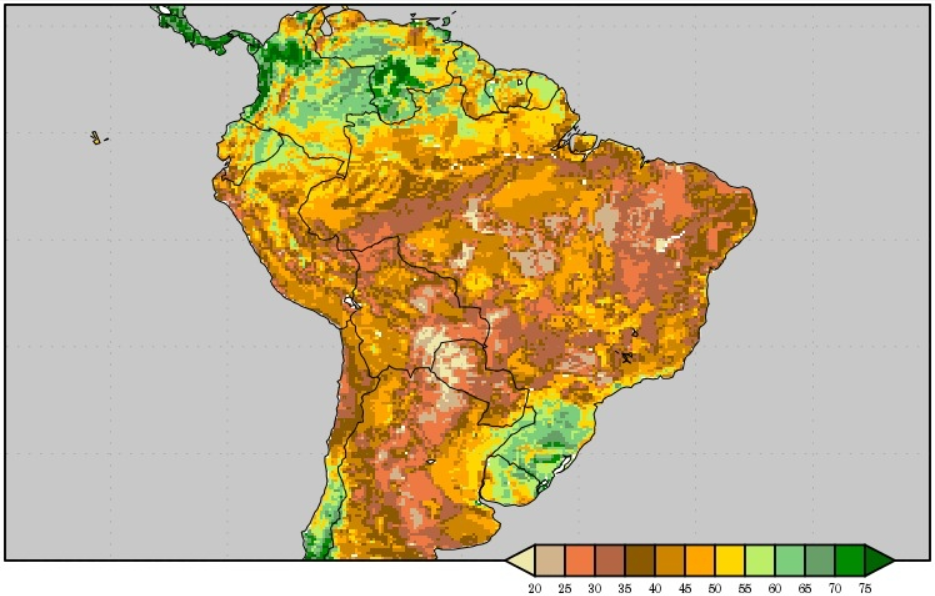
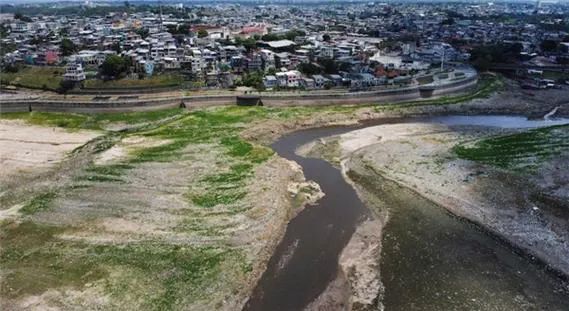
Due to Brazil's severe drought and fire problems, water levels in major reservoirs across Brazil are at very low levels. Many rivers have shrunk sharply, with large areas of riverbeds exposed. Shipping on some inland rivers has been blocked, surrounding lakes have dried up severely, and lake surfaces have shrunk significantly.
The most serious situation is in the Amazon River basin. In Manaus (Manaus, Amazonas), the capital of Amazonas state, the water level of the Rio Negro (rio Negro) was measured at as low as 12.68 meters. This figure broke the water level record set on October 26 last year (12.7 meters), reaching the lowest level in 122 years. The Rio Negro is the largest tributary on the north bank of the Amazon River. Within Brazil, its basin area exceeds 1,300 square kilometers, making it a very important river in Brazil. At present, this historic drought has affected the lives of 747,600 residents across the state, and all cities in the state are in a state of emergency.
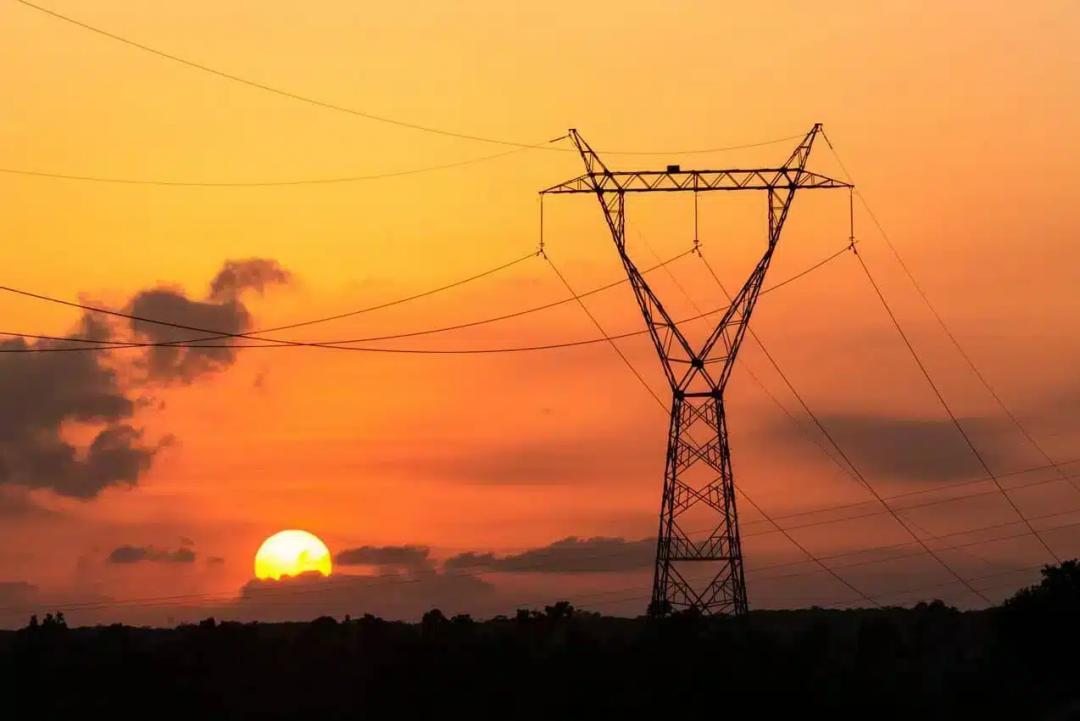
At the same time, Brazil's hydroelectric power generation has seen a sharp decline and may be unable to meet the annual summer peak electricity demand, so the government recently raised the domestic electricity surcharge. According to Brazil's National Center for Monitoring and Early Warning of Natural Disasters (Cemaden), Brazil is experiencing its largest hydroelectric crisis in 74 years, and the water storage levels of major hydroelectric plant reservoirs in Brazil are at their lowest since records began in 1950.
Therefore, in September, the Brazilian government began evaluating alternative plans for saving electricity under severe drought conditions, and the most important power-saving plan among them is the daylight saving time system. It is understood that Brazil's daylight saving time system is a system that artificially adjusts time in order to save energy.
The time adopted during the implementation of this system is called "daylight saving time," generally in summer when daylight hours are long, time is artificially advanced by one hour, that is, Brazil's time zone is UTC-3, and during daylight saving time, the time is adjusted to UTC-24. This system can make people go to bed and rise early, effectively reducing lighting usage, making full use of light resources, and saving lighting electricity. Previously, Brazil's daylight saving time ran from November each year to February of the following year, but in 2019, the Brazilian government abolished the system, and only recently has it planned to restart it.
Regarding this system, some people in the coffee industry have expressed support, because the current drought and other conditions have led to rising costs in the coffee industry, and the coffee industry is highly dependent on electricity, so rising electricity prices have also pushed up costs accordingly. Because daylight saving time extends daytime hours, farmers and workers have more natural light time to carry out work, which helps improve work efficiency and production progress. Second, daylight saving time has a certain impact on coffee market trade, because to a certain extent it saves energy and is beneficial to the sustainable development of Brazil's coffee industry, especially against the backdrop of the current drought and high temperatures affecting coffee production, saving energy can ease the pressure of rising costs. Because it can indirectly reduce production costs, it may have a positive impact on coffee prices and enhance the competitiveness of Brazilian coffee in the global market.
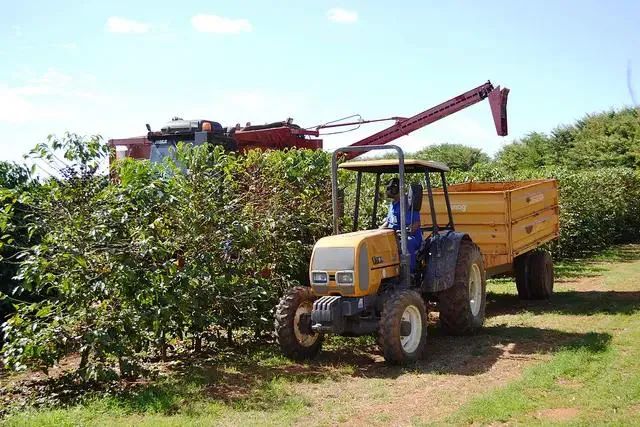
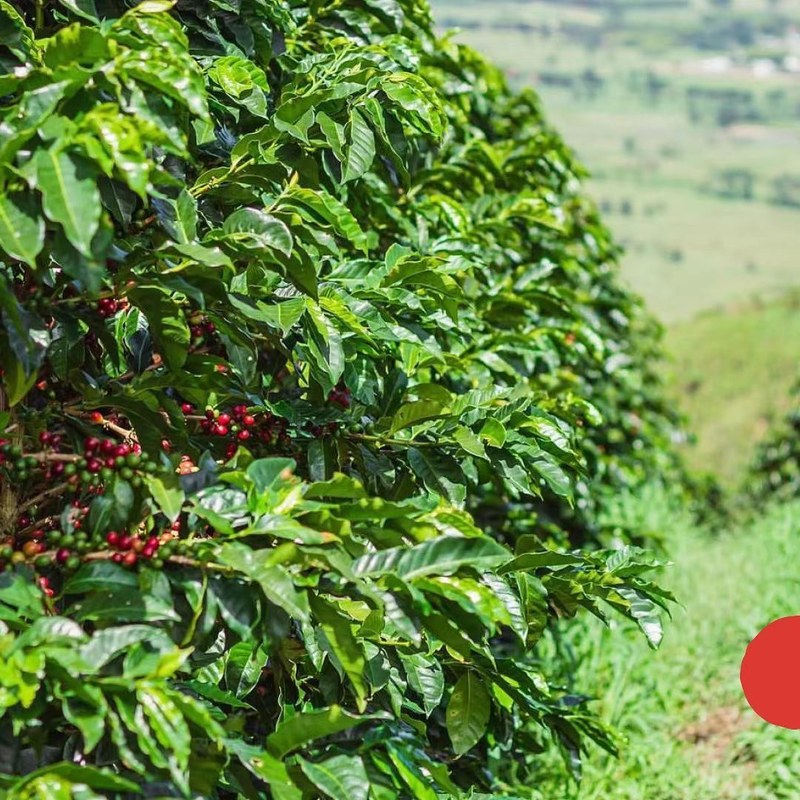
However, people in the coffee industry believe that government authorities should give priority to solving the water issue. Under Brazil's current conditions of drought, fires and a lack of rainfall and water resources, the impact on the flowering period of the new coffee crop is very severe. Coffee production is currently already expected to drop by 6.8%, and if there is no improvement by the end of the year, production will continue to decline.
To learn more about coffee origins and news, please scan the QR code to follow: Kaping
Long-press the QR code to follow:

Related Reading




Comments (0)
Loading comments...
You May Be Interested




Trending Reviews
Popular Videos

With you, wherever you are! We provide useful features to help you find new things you'll love






