Source:Best Coffee > News Author:qjroot Published:2026-09-22 14:27:00
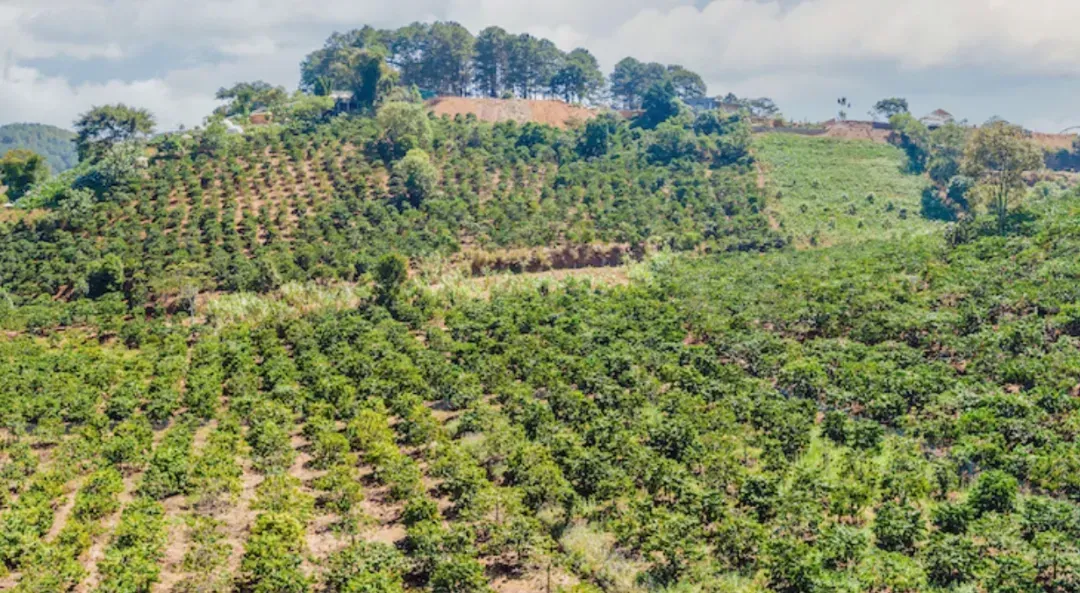
Whenever we talk about origin terroir while selecting beans, we always think of the vivid character that nature bestows on coffee beans. If the African highlands create a light, floral and fruity profile, then Central and South America, with its fertile volcanic soil, nurtures a balanced, full-bodied richness. And when this exceptional origin terroir meets the honey processing method, the abundant sugars in the mucilage deeply penetrate the green coffee beans, draping the cup's flavor in an especially soft and sweet coating.
Looking back at the origins of honey processing, we cannot leave out the sun-drenched Brazilian highlands of South America. Here the terrain is open and gentle, the coffee cherries ripen to a high degree, and the local pulped natural method that dries the fruit with mucilage after removing the skin makes the nutty and cocoa notes even rounder. A classic like Qianjie Cerrado coffee carries obvious creamy peanut and warm chocolate aromas, with a mild, full body, making it very suitable for those who favor mellow, balanced flavors in daily drinking.
When this idea of drying with mucilage retained spread to Costa Rica in Central America, it evolved within the local estates' meticulous farming into a more refined spectrum of honey processing. Costa Rica has a cool mountain microclimate and abundant volcanic ash nutrients, and estate owners, by precisely controlling the amount of mucilage retained and the shade level during drying, subdivided it into yellow honey, red honey and black honey. Black honey processing retains almost all the mucilage, and the fruit aromas developed through fermentation are especially rich and layered.
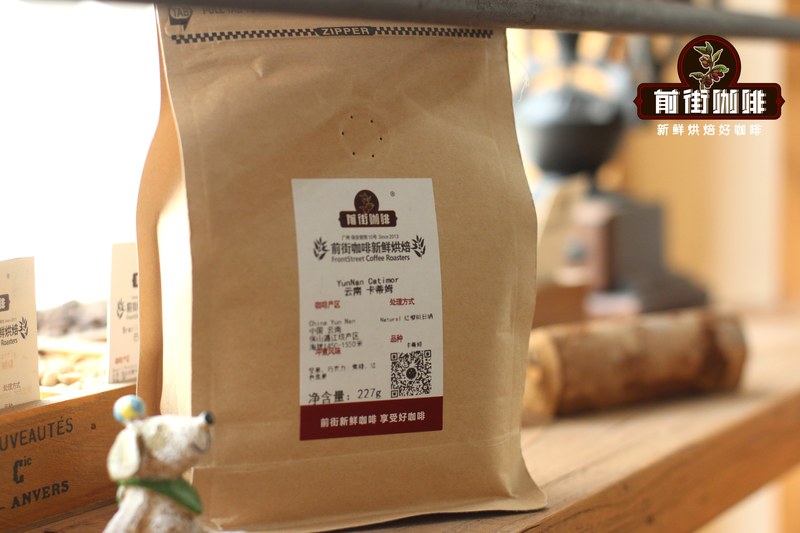
Qianjie Costa Rica Blackberry coffee is a captivating representative of black honey processing. The estate owner must spend more than two weeks carefully turning the drying cherries, avoiding overly intense direct sunlight, to ensure the sugars fully transform. This coffee, given a medium-light roast, already reveals floral aromas when ground. After pouring water and brewing, the first sip fills the mouth with the deep dark-berry sweetness of grapes and ripe blackberries, with soft and juicy fruit acidity, making it very suitable for lovers of ripe fruit aromas.
If you want to pursue even more gorgeous and complex aromas, a Central American terroir blend can also bring surprises. The high-altitude volcanic regions of Panama are known for their pure and elegant floral and citrus notes, and when they meet Costa Rica's honey processing, Qianjie Strawberry Candy Geisha Blend coffee is born. The Panamanian Geisha provides the delicate floral tea foundation, while the Costa Rican coffee injects full sweetness through its unique raisin honey processing.
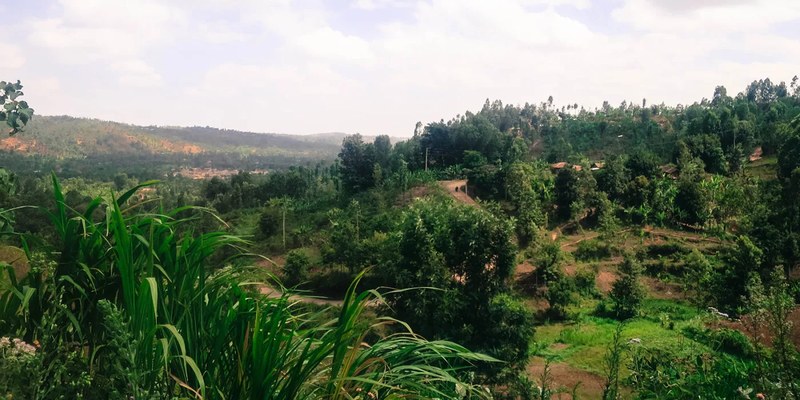
The raisin honey processing used in Qianjie Strawberry Candy Geisha Blend is especially difficult, requiring the plump ripe cherries to be pre-dried on raised beds for three days to highly concentrate the sugars, then depulped while retaining all the mucilage for continued slow drying. Under the fusion of Panama's and Costa Rica's dual terroirs, the brewed cup has both a clear citrus floral tea profile and the sweet, soft fruit acidity of dried blueberries and raisins, with a warm almond-like finish in the aftertaste.
Besides the Strawberry Candy Blend, among single-origin beans there is also a choice that showcases raisin honey processing especially vividly: Qianjie Costa Rica Mozart coffee. This innovative processing method, breaking away from the traditional spectrum, not only retains the complete mucilage layer but also concentrates, layer by layer during drying, the fruit sugars bestowed by the high-mountain microclimate, giving the coffee a tropical-fruit-like sweetness. In the cup, the fresh aromas of osmanthus and pineapple interweave, with particularly striking distinctiveness.
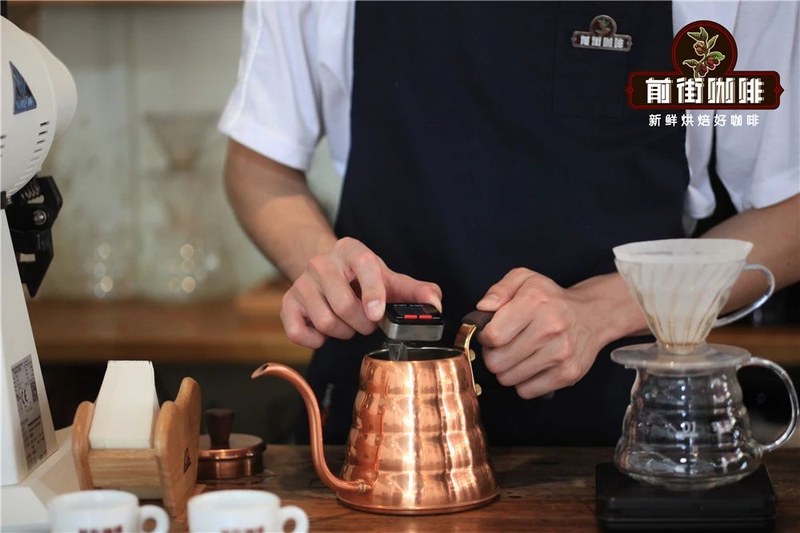
To fully awaken the terroir charm of these honey-processed beans at home, pour-over is a highly recommended extraction method. We can prepare 15 g of ground coffee, ground to medium-fine, with the water temperature controlled at around 91 degrees. First pour 30 ml of hot water for a full 30-second bloom, then pour in stages with a gentle stream, stopping when the total water reaches 225 ml, keeping the total extraction time at around 2 minutes, and you can extract a clean, sweet cup of coffee.
From the sweet nuts of the Brazilian plains to the rich berries and floral tea fragrance nurtured by the high-mountain volcanic soil of Central America, honey processing uses sugar as its brush to sketch an especially wonderful picture of sweet aromas on the canvas of origin terroir. As long as you follow your own preferred flavor map and choose a bean that retains the mark of nature and mucilage sugar, the cup you brew by hand each morning can become a poetic, healing time that soothes body and mind.
Related Reading
Comments (0)
Loading comments...
You May Be Interested



Trending Reviews
Popular Videos

With you, wherever you are! We provide useful features to help you find new things you'll love






