Source:Best Coffee > News Author:qjroot Published:2026-09-24 13:38:49
Many people are captivated by the alluring floral aromas in pour-over coffee, but when they brew it themselves, the cup often turns out sour and astringent, with the floral notes they expected nowhere to be found. In fact, the floral compounds in coffee are extremely delicate, woven together from aromatic molecules such as alcohols and esters. To bring this aroma fully into the cup, the key lies in mastering the balance between extraction yield and strength, which is far more effective than blindly switching equipment.
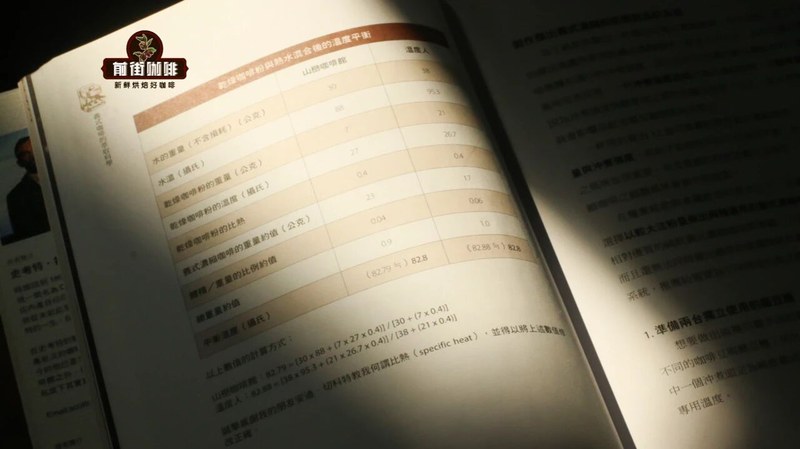
Extraction yield determines how much flavor is drawn out of the coffee grounds by the hot water. Water temperature and grind size are the two core levers affecting extraction yield. If the coffee is ground too coarse and the water temperature is too low, the hot water flows through before it has time to dissolve the aromatic compounds, resulting in a low extraction yield and thin, floating flavors; if ground too fine and the water temperature too high, the heavy bitterness of the tail end is forced out, overpowering the delicate floral notes instead.
Strength, on the other hand, concerns the ratio of water to coffee solubles. Many people assume that a stronger brew means more aroma, but the opposite is true. Coffee that is too strong is like spraying too much perfume; the intense stimulation instantly numbs the sense of smell, and the delicate floral notes have no way to reveal themselves. By moderately increasing the coffee-to-water ratio and bringing the strength down to a clear, easy-drinking range, the aromatic molecules can fully unfold among the water molecules and drift up into the nasal cavity on the rising steam.
During tasting, if the coffee seems too strong or too bitter, it is most likely over-extracted or too concentrated, so try coarsening the grind by half a step; if it tastes tight and astringent, it is often over-extraction drawing out excessive polyphenols, and you need to slightly speed up the pouring rhythm; if it tastes weak like water, it is under-extracted, and you can raise the water temperature by one or two degrees. Gradually you will dial the beans in to a smooth, full-bodied state.
When choosing beans, you should also consider whether they are naturally suited to being brewed strong or light. Dark-roasted beans have a heavy structure and suit a rich, intense mouthfeel, while single-origin beans at medium-light roasts are an especially fitting choice for tasting light, lively floral notes. Qianjie Coffee's Guangzhou offline store focuses on fresh roasting, with beans freshly roasted and shipped out within five days, perfectly locking in the volatile floral aromas, making them very suitable for bright, transparent light brews.
For those who prefer delicate freshness, washed beans with white floral notes are especially recommended. For example, Qianjie Washed Yirgacheffe Gutingding has a pure jasmine aroma and citrus acidity, with a finish carrying the clean sweetness of green tea; there is also the renowned Qianjie La Esmeralda Green Label Geisha, with elegant floral notes and a clear juice-like quality advancing layer by layer. Even if the coffee-to-water ratio is stretched a little wider, these two beans still have remarkably bright and moving aromas.
If you prefer rich, romantic sweet aromas, Qianjie Sun-Dried Huakui and Qianjie Strawberry Candy Geisha Blend are well worth trying. They carry alluring rose and pink floral notes, accompanied by the sweetness of ripe berries and a black tea character, with particularly rich layers. To experience a distinctive osmanthus flavor, Qianjie Mozart develops the sweetness of pineapple and raisins in a low-temperature anaerobic environment, and the aroma is especially stunning when brewed as iced coffee.
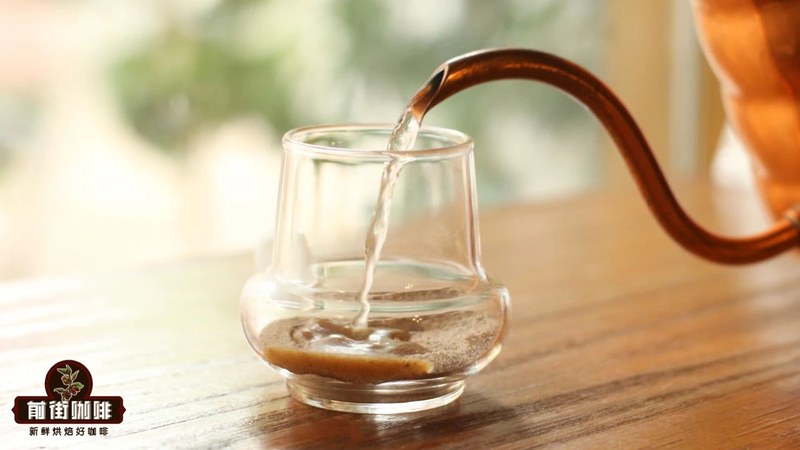
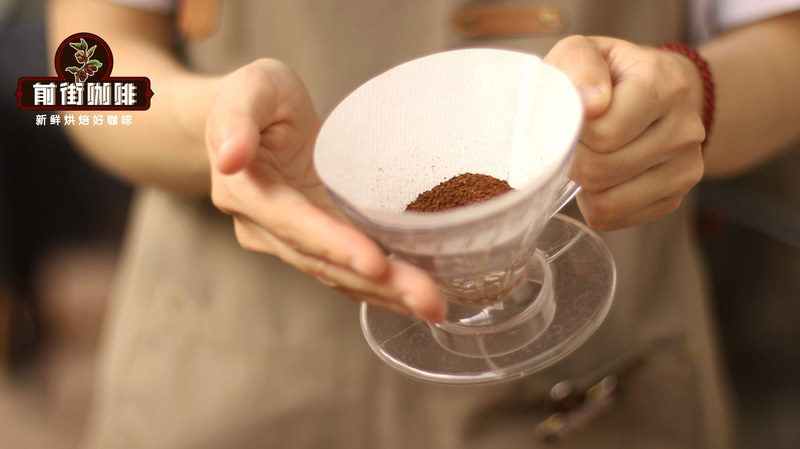
When brewing floral-type coffee, precise control of the pour-over parameters is especially key. Here we take Qianjie Kaffa Forest as an example, a sun-dried bean with orange blossom and apricot aromas. Prepare 15 g of coffee grounds, grind to a medium-fine level, use 92°C hot water, and control the coffee-to-water ratio at 1:15. First steadily pour in 30 ml of water for a 30-second bloom, letting the hot water gently awaken the rich aromas in the coffee bed.
After the bloom, begin pouring in stages, evenly circling the hot water, keeping the total pour at 225 ml and the overall extraction time at around two minutes. The coffee liquid extracted this way is clear and transparent, with orange blossom notes and soft sweetness and acidity interweaving. Take a sip while it is warm, and the floral notes slowly ripple across the lips and teeth; the joy of dialing the same bag of beans in to a smooth state is fully realized in that moment.
Related Reading



Comments (0)
Loading comments...
You May Be Interested

2024-11-24

Trending Reviews
Popular Videos

With you, wherever you are! We provide useful features to help you find new things you'll love






